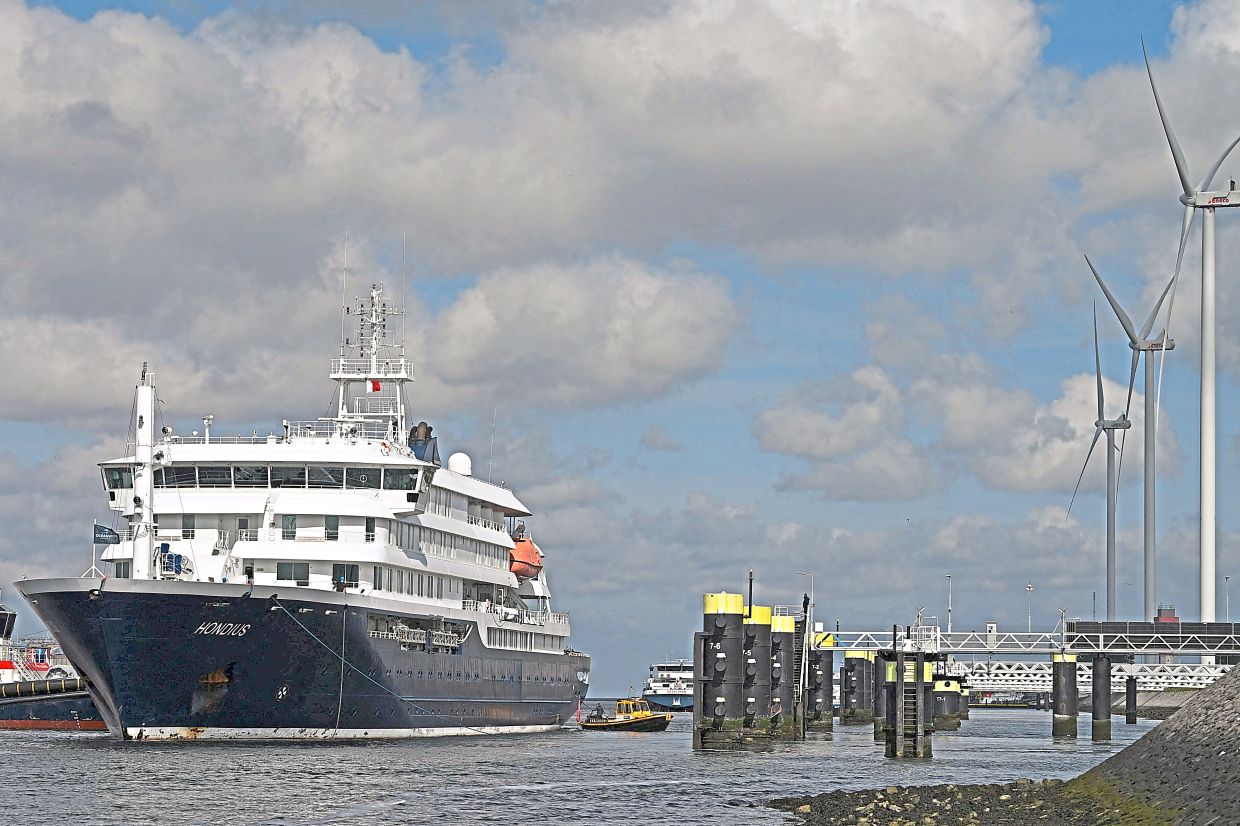
The World Health Organization has officially concluded a deadly hantavirus outbreak associated with the Antarctic cruise ship MV Hondius, marking the end of a global health emergency that sparked concern across 33 countries and territories. WHO Director-General Tedros Adhanom Ghebreyesus announced the outbreak's conclusion after the final quarantined individual departed isolation on July 2, 2026, following a negative test result.
The outbreak, which originated aboard the Dutch-flagged polar exploration vessel, resulted in a documented toll of 12 confirmed infections and one probable case, with three deaths recorded. The MV Hondius had embarked on an Antarctic and South Atlantic expedition beginning April 1, 2026, from Ushuaia, Argentina, navigating through remote regions including the isolated Tristan da Cunha archipelago before proceeding northward toward Spain's Canary Islands. The escalating situation prompted authorities to evacuate remaining passengers to Tenerife, while the ship itself was ultimately sterilised in Rotterdam harbour on May 18, 2026.
The declaration of outbreak conclusion comes nearly six weeks after the last new infection was documented on May 25, 2026, establishing the epidemiological threshold required for such a declaration. However, the formal end of the outbreak marks the beginning of an intensive investigative phase for global health professionals and researchers who remain focused on comprehending the virus's behaviour and transmission patterns. The episode has prompted considerable scientific interest precisely because hantavirus jumping from human to human remains exceptionally uncommon in nature.
Hantavirus fundamentally differs from many infectious threats in that it is naturally spread through contact with infected rodent populations, particularly their saliva, urine, and droppings. The absence of effective vaccines or disease-specific treatments underscores the pathogen's challenge to modern medicine, leaving prevention and isolation as primary control mechanisms. The particular strain responsible for the MV Hondius incident—the Andes variety—represents a notable exception among hantavirus species, being the sole known variant capable of sustained human-to-human transmission, a characteristic that elevated the international concern surrounding this specific outbreak.
The epidemiological response proved extensive, with health authorities across multiple jurisdictions identifying and monitoring more than 650 individuals who had potential exposure to infected persons. This substantial contact-tracing operation across 33 countries and territories demonstrated coordinated global health surveillance capabilities, though it also reflected the widespread geographic dispersal of cruise ship passengers and crew across international borders. The scale of exposure tracking required unprecedented cooperation between national health agencies and international organisations to prevent secondary transmission chains.
Looking forward, the WHO has committed to sustained investigation rather than simply declaring victory and moving on. The organisation is coordinating a comprehensive multinational study involving 21 countries aimed at deepening understanding of hantavirus disease progression and pathophysiology. This research initiative directly addresses critical knowledge gaps that have historically hampered development of medical countermeasures. The collaborative study framework specifically targets advancement in diagnostic methodologies, therapeutic interventions, and vaccine development strategies that could mitigate future outbreaks.
For Southeast Asian readers, the MV Hondius incident carries particular relevance given the region's vulnerability to emerging infectious diseases and its significant cruise ship tourism industry. While this outbreak originated in polar regions far from Malaysia and the broader Southeast Asian theatre, the incident exemplifies how rapidly infectious threats can disseminate globally via international maritime transport. The disease's initial appearance on a recreational vessel operating in remote territories demonstrates that traditional geographic barriers provide diminishing protection in an era of globalised travel.
The outbreak also highlights persistent challenges in infectious disease preparedness that resonate across Southeast Asia, where rodent-borne viral diseases remain endemic health concerns. Hantavirus, along with related pathogens such as leptospirosis and rat-bite fever, continues circulating in regional rodent populations. The MV Hondius experience—showing how even isolated polar expeditions can unexpectedly intersect with zoonotic disease—underscores the value of robust surveillance systems and rapid response capabilities that many Southeast Asian nations continue developing.
The investigative work ahead represents a genuine opportunity to advance global understanding of this dangerous pathogen. By studying how the Andes hantavirus strain behaves in human populations, international research teams can refine epidemiological models, improve diagnostic accuracy, and potentially accelerate therapeutic development. The 21-country coordination framework reflects acknowledgement that hantavirus expertise is geographically dispersed and that meaningful progress requires genuine international partnership.
Tedros emphasised that concluding the active outbreak phase does not signal diminished institutional attention to hantavirus, but rather a transition toward knowledge consolidation. The WHO commitment to ongoing research demonstrates that outbreak management in the modern era extends well beyond containing immediate transmission. Understanding why this particular cruise ship expedition encountered hantavirus, how transmission occurred aboard the vessel, and why certain individuals developed severe disease while others remained asymptomatic will inform future prevention and clinical management protocols.
The resolution of this outbreak, while welcomed by public health authorities and the affected cruise industry, arrives with important lessons for Antarctic expedition planning and polar tourism risk management. Future polar expeditions will presumably implement enhanced protocols for detecting potential disease exposures in isolated settings where medical evacuation may prove challenging. The incident serves as reminder that even in humanity's most remote explored regions, microbial threats remain present and capable of sudden emergence.

