The modern office worker faces a paradox: spending eight hours beneath artificial lighting and digital screens might seem safer than a day in the sun, yet the skin damage accumulates just the same. Whether your day involves answering emails beside a sunlit window, staring at laptop screens throughout the afternoon, or simply commuting between air-conditioned spaces, your skin remains vulnerable to the invisible forces driving premature ageing. The consequences manifest silently—fine lines deepen, wrinkles multiply, and stubborn dark spots emerge where none existed before. This phenomenon, known as photoaging, has become one of the defining dermatological challenges of the digital age, particularly across Southeast Asia where tropical sun intensity compounds the problem year-round.
The science behind photoaging reveals a sobering reality that dermatologists have long emphasized: approximately 80 percent of visible skin ageing results not from occasional beach vacations or outdoor adventures, but from the cumulative, everyday exposure accumulated during ordinary daily activities. A quick lunch break outside, a commute to work, or simply sitting by a window throughout the workday—these seemingly innocuous exposures add up across decades. What makes this statistic particularly relevant for Malaysian and regional readers is the geographic reality: tropical climates mean stronger UV radiation for longer periods throughout the year, and the equatorial sun's intensity translates to accelerated damage even during brief outdoor exposure. The traditional belief that staying indoors provides complete protection, however, misses a crucial modern dimension of skin damage.
Beyond ultraviolet radiation, contemporary research has identified a previously underestimated threat emerging from the devices dominating our daily lives. High-energy visible light, commonly called blue light, emitted from smartphones, laptops, and digital screens contributes to approximately 25 percent of oxidative cellular damage to skin. This figure becomes especially significant when considering that most professionals in Malaysia spend six to eight hours daily in front of screens, meaning their skin receives continuous blue light exposure that was unknown to previous generations. The cumulative oxidative stress from this blue light accelerates collagen breakdown and increases free radical formation, mechanisms that amplify the ageing process independent of solar UV radiation. For office workers who believed their indoor positioning protected them from photoaging, this represents a paradigm shift in understanding skin health risks.
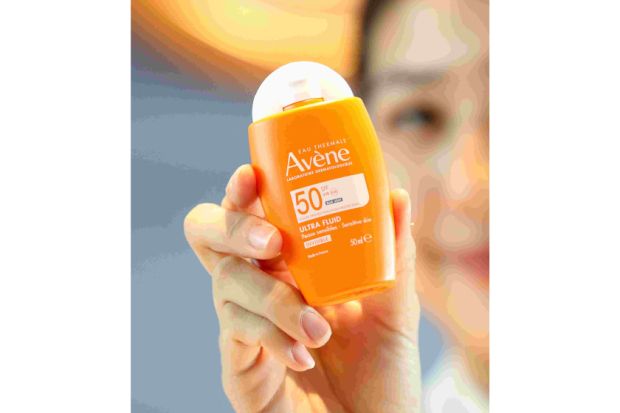
Recognizing these modern lifestyle challenges, skincare companies have begun reformulating their sun protection offerings to address the specific needs of today's consumer. Eau Thermale Avene recently introduced its Ultra Fluid Range at a launch event in July 2026, a collection comprising four distinct sunscreen variants engineered to tackle both traditional UV damage and emerging blue light concerns. The development reflects a broader industry shift toward understanding that effective sun protection cannot remain a seasonal or occasional practice—it must integrate seamlessly into daily routines without creating the textural compromises consumers have historically endured. Cristiana Irimescu, Asia export business director at Pierre Fabre Singapore Pte Ltd, emphasized during the product unveiling that the range resolves a tension that has long plagued sunscreen formulations: the choice between prioritizing skin health and maintaining cosmetic elegance.
For decades, consumers faced an uncomfortable trade-off when selecting sun protection. High-SPF formulations typically delivered superior photoprotection but left skin feeling heavy, sticky, and often displayed the characteristic white cast that made application seem conspicuous. These textural drawbacks, ironically, discouraged consistent application—the very behavior necessary to prevent premature ageing. The new Ultra Fluid Range addresses this specific barrier by delivering a texture twice as light as conventional sunscreen formulations, achieving what the manufacturer describes as "one-second absorption" that eliminates the tactile and visual drawbacks that historically deterred regular use. For tropical climates like Malaysia's, where perspiration and humidity already complicate skincare routines, the lightweight texture represents a meaningful practical advancement rather than a marginal cosmetic improvement.
At the formulation's core lies the TriAsorB filter, an advanced broad-spectrum sun filter engineered to provide protection across the entire UV spectrum—both UVA and UVB wavelengths—while extending protective coverage to blue light wavelengths. This comprehensive approach acknowledges the multiplicity of light-based stressors assailing contemporary skin. The filter functions by absorbing and neutralizing these various light energies before they penetrate the skin's protective barrier, thereby interrupting the cascade of oxidative processes that ultimately manifest as premature wrinkles and discoloration. The scientific specificity of this approach reflects how sunscreen technology has evolved beyond simple UV blockade to address the complete spectrum of visible and invisible light damage relevant to modern lifestyles.
Beyond filter technology, the formulation's philosophy embraces a "clean" composition that eliminates ingredients some consumers prefer to avoid. The range contains no silicones, no alcohol, and no controversial chemical filters, making it suitable for individuals with sensitive skin while maintaining efficacy against environmental stressors. This ingredient restraint matters particularly in Southeast Asia, where tropical humidity and heat can irritate sensitive skin, and where awareness of skincare ingredient safety has grown considerably. The absence of silicones prevents the occlusive layer that can trap heat and moisture, while the alcohol-free formulation avoids the drying effects problematic in humid climates. For consumers managing conditions like rosacea, eczema, or general sensitivity, the gentle profile expands the accessibility of effective photoprotection.
Dr Syairah Nadia Mohamad, chief executive officer of Radiant Clinique, articulated a fundamental principle often overlooked in consumer awareness: skin damage accumulates indiscriminately regardless of weather conditions or daily location. "Our skin doesn't differentiate between a sunny day and an indoor workday," she explained, emphasizing that sun exposure remains constant across all ordinary daily activities rather than concentrating only during intentional outdoor recreation. This distinction carries profound implications for how consumers should approach sun protection. Rather than reserving sunscreen for beach days or outdoor activities, the dermatological evidence suggests that daily application—morning and ideally throughout the day—represents the baseline for preventing photoaging. For Malaysian workers in tropical climates, the intensity of ambient UV radiation means that even seemingly minor outdoor exposure accumulates into significant annual damage.
The introduction of four distinct variants within the Ultra Fluid Range acknowledges a reality that undifferentiated one-size-fits-all sunscreen approaches have long ignored: skin types vary, daily routines differ, and personal cosmetic preferences shape which products individuals consistently use. By tailoring formulations to different needs—whether addressing oily skin, combination skin, dry skin, or specific concerns like hyperpigmentation—the range increases the likelihood that each consumer will find a variant they enjoy applying, thereby increasing consistency of use. This pragmatic approach recognizes that even the most scientifically advanced photoprotection fails if consumers abandon application because the product feels unpleasant or looks unflattering. The psychological dimension of skincare adherence often determines long-term outcomes more significantly than marginal differences in SPF ratings.
For Malaysian consumers, the implications of advanced sun protection extend beyond individual skin health to broader considerations. The tropical region's geographic position means consistently higher UV indices throughout the year compared to temperate zones, rendering effective photoprotection a public health consideration rather than mere cosmetic preference. Premature photoaging carries psychological and social dimensions, particularly in professional and social contexts where appearance influences opportunity and perception. The accessibility of lightweight, pleasant-to-use sun protection formulations removes practical barriers that previously deterred consistent application, thereby helping preserve skin health across the population. Furthermore, the growing focus on blue light protection reflects how dermatological science continues adapting to environmental changes introduced by technology and lifestyle evolution.
The shift toward comprehensive daily photoprotection represents an evolution in how the region approaches skin health more broadly. Traditional attitudes emphasizing sun avoidance (often reinforced by aesthetic preferences for lighter skin) have begun giving way to science-based approaches focused on damage prevention regardless of sun exposure intensity. This transition parallels global conversations about skin health equity, where all skin tones require equivalent protection against photoaging's cumulative damage. As products become more pleasant to use and formulations address diverse skin types and sensitivities, the practical barriers to consistent sun protection diminish. For professionals spending long hours in air-conditioned offices with minimal outdoor exposure, the inclusion of blue light protection acknowledges contemporary reality more thoroughly than traditional sunscreens ever could. The convergence of scientific advancement, formulation innovation, and practical user experience design suggests that effective daily photoprotection is transitioning from a neglected responsibility to an achievable, seamless habit.

