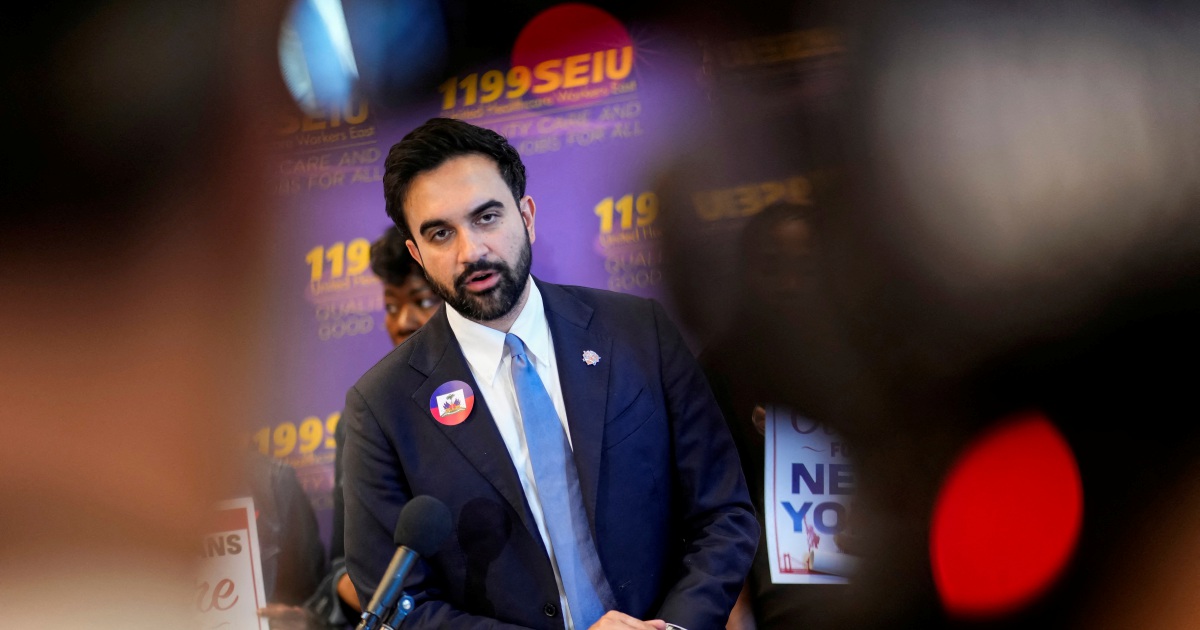
New York Mayor Zohran Mamdani announced this week that he has concluded he does not possess the legal jurisdiction to detain Israeli Prime Minister Benjamin Netanyahu on war crimes allegations should the Israeli leader travel to New York City, backing away from his previous indication that he was contemplating such action.
Mamdani's retraction highlights the fundamental limitations inherent in municipal executive power when confronting matters of international law and diplomatic immunity. As the chief executive of a city, not a state or the federal government, Mamdani operates within a constrained legal framework that does not extend to unilateral arrests of foreign government leaders. The distinction between mayoral authority and the broader powers of state and federal authorities remains critical in understanding why municipal officials cannot independently detain foreign dignitaries, regardless of the seriousness of allegations against them.
The incident underscores a broader tension between public sentiment in progressive urban centres and the architecture of international law. Mamdani had initially suggested he might pursue Netanyahu's arrest, apparently responding to constituent pressure regarding the Israeli military operations in Gaza and the humanitarian crisis there. However, upon legal consultation, he determined that such action would exceed his statutory authority and would likely violate principles of diplomatic immunity that govern the treatment of sitting heads of government.
Diplomatic immunity exists as a cornerstone of international relations, designed to ensure that government representatives can travel and conduct diplomacy without fear of arbitrary detention. This principle, formalized in the Vienna Convention on Diplomatic Relations, applies broadly to heads of state and heads of government. While individuals can face prosecution for war crimes through international courts and mechanisms, the path does not run through individual mayors acting unilaterally.
For Malaysia and Southeast Asian observers, this episode provides instructive lessons about the limits of local political action on global affairs. While cities and municipalities increasingly assert themselves on matters of international concern—from climate change to human rights—the legal reality remains that criminal jurisdiction over foreign leaders rests with international bodies like the International Criminal Court, national governments through formal extradition processes, or domestic courts when the leader visits and that nation's laws are invoked. A mayor's powers, however significant within municipal boundaries, do not extend into this domain.
The situation also illustrates the complexity surrounding international criminal accountability more broadly. The International Criminal Court, established to prosecute individuals for war crimes, crimes against humanity, and genocide, represents the proper institutional venue for such allegations. However, the effectiveness of the ICC depends on state cooperation with arrest and prosecution, and not all nations are signatories to its founding statute. Israel is not an ICC member state, and neither is the United States, which further complicates any prosecution pathway.
Mamdani's initial consideration of the arrest, even if ultimately abandoned, reflected frustration among progressive constituencies who view the legal system as inadequate to address alleged violations. The humanitarian situation in Gaza has galvanized activist movements globally, and political leaders sensitive to their constituents' moral concerns have sought symbolic gestures of accountability. However, symbolic gestures must yield to constitutional and legal constraints, particularly when they involve assertions of authority beyond one's jurisdiction.
The mayor's reversal also demonstrates how legal counsel inevitably constrains political rhetoric. Initial statements suggesting possible action against Netanyahu were made without thorough legal vetting. Once Mamdani's office conducted proper legal analysis, the conclusion became inescapable: municipal authority simply does not encompass the detention of foreign heads of government. This pattern—where politicians propose actions that subsequent legal review proves impossible—occurs across levels of government and reflects the gap between political desire and constitutional capacity.
For New York specifically, the decision means that Netanyahu's potential visits to the city remain unencumbered by arrest threats from the municipal government, though he would remain subject to any applicable federal or state laws. The federal government and individual states possess greater latitude in matters involving foreign relations, though they too operate within constitutional and international law parameters. If Netanyahu were to visit the United States, the federal government's posture would take precedence over any local declarations.
The episode also reflects broader questions about accountability for alleged violations of international humanitarian law. Activists and advocacy groups have pursued various strategies to create legal jeopardy for foreign officials, from universal jurisdiction laws in some countries to lawsuits in international courts. Yet these mechanisms function inconsistently, dependent on political will, prosecutorial resources, and the willingness of other nations to cooperate with investigations and arrest warrants.
Mamdani's retreat does not diminish the underlying moral questions about alleged violations in Gaza or render them moot. Rather, it clarifies that addressing such allegations through proper channels requires engagement with the international legal system, coordination among governments, and sustained diplomatic and legal pressure—not unilateral action by municipal leaders. The disappointment that some will feel at Mamdani's conclusion reflects the inadequacies many perceive in existing accountability mechanisms, rather than any failure by the mayor himself.
For Southeast Asia, where several nations take international law seriously and some have experimented with universal jurisdiction over human rights abuses, the Mamdani incident offers a cautionary tale about distinguishing between political expression and legal authority. Cities and regions increasingly position themselves as actors on global stages, but the foundation for meaningful accountability remains rooted in formal legal structures and international agreements, not in municipal declarations of intent, however well-intentioned.

