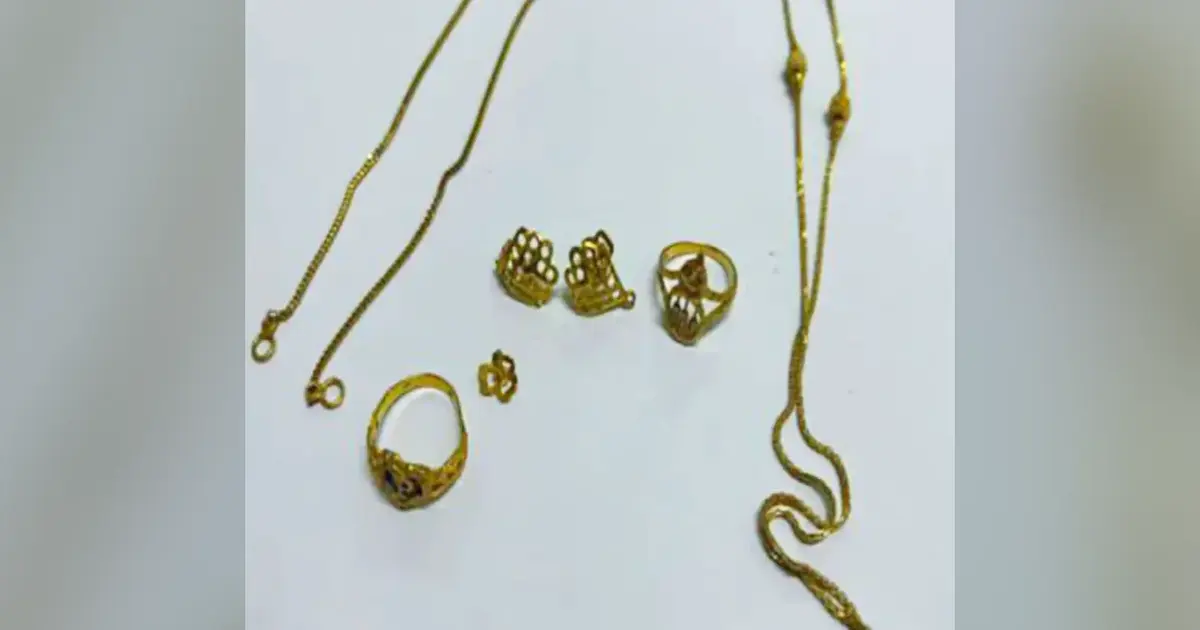
Police have arrested a woman and her two adult children in connection with a welfare fraud scheme that defrauded an elderly victim of RM8,000 in jewellery. Investigators successfully traced and recovered the items, which had been sold to a local pawnshop, marking another case in a growing pattern of scams targeting vulnerable elderly citizens through fraudulent welfare assistance claims.
The operation demonstrates the vulnerability of Malaysia's elderly population to sophisticated confidence schemes that exploit their trust in government assistance programmes. Scammers have increasingly adopted welfare pretexts as a reliable method to gain access to the homes and trust of older citizens, often establishing relationships that lead to larger financial losses over time. This particular case underscores how family involvement in such schemes adds a disturbing dimension to elderly abuse in the country.
Welfare-related fraud targeting seniors represents a significant social concern across Malaysia and the broader Southeast Asian region. These scams typically involve perpetrators posing as government officials or social workers offering financial aid, subsidies, or assistance programmes. Once inside the victim's home, fraudsters employ various tactics to extract valuables, cash, or personal financial information. The psychological manipulation involved often leaves victims feeling ashamed, causing many cases to go unreported to authorities.
The decision to pawn stolen jewellery rather than sell it privately reveals a common pattern among Malaysian scammers who seek quick liquidity without having to navigate personal sale channels. Pawnshops, while legitimate businesses, sometimes unwittingly become conduits for stolen goods. Enhanced coordination between law enforcement and pawnshop operators has helped authorities recover items faster, though concerns persist about adequate verification procedures at some establishments.
The involvement of the suspect's adult children raises troubling questions about family dynamics and household circumstances that lead to criminal behaviour. Research into financial crimes suggests that economic pressure, substance abuse issues, or learned criminal behaviour within families often contribute to such offences. The case serves as a reminder that welfare fraud is not always perpetrated by organized criminal networks but sometimes emerges from desperate household situations where multiple family members participate.
Malaysia's police force has intensified operations against welfare-related scams following a surge in reports from senior citizens' organizations and community groups. The Royal Malaysia Police have established dedicated task forces and public awareness campaigns warning elderly citizens about common fraud tactics. Despite these efforts, the sheer volume of cases suggests that scammers continue to refine their approaches faster than preventive measures can adapt.
For elderly Malaysians, the financial impact of such fraud extends beyond the immediate monetary loss. Many victims experience lasting psychological trauma, increased anxiety about trusting others, and reluctance to report incidents due to shame or concern about burdening family members. The RM8,000 in jewellery represented in this case likely held sentimental value accumulated over decades, making the loss particularly devastating to the victim.
The recovery of stolen items from the pawnshop demonstrates that law enforcement agencies can successfully pursue leads even after goods have changed hands. However, for victims, recovery often comes too late to prevent the emotional distress associated with the crime. Many recovered items are subsequently returned to grieving owners who feel violated by the violation of their trust and safety.
Community organizations across Malaysia have begun implementing elderly protection programmes that include education on recognizing fraud indicators, establishing verification protocols for welfare assistance visitors, and creating support networks where seniors can report suspicious activity without fear of judgment. These grassroots initiatives complement police efforts and have proven effective in reducing victimization rates in participating neighbourhoods.
The case also highlights the importance of family members remaining vigilant about their elderly relatives' welfare. Regular check-ins, monitoring unusual requests for personal items, and encouraging communication about visitors can serve as protective measures. In Malaysia's increasingly urbanized society where multi-generational families often live separately, maintaining such oversight requires deliberate effort and open family dialogue.
Looking forward, authorities have signalled intent to pursue more robust prosecutions of welfare fraud cases, with enhanced penalties reflecting the severity of targeting vulnerable populations. The Crown's willingness to prosecute entire family units involved in such schemes sends a message that organized household-based fraud will be treated with corresponding gravity under Malaysian law.
The recovery of the RM8,000 jewellery represents only a partial victory in what remains a broader battle against elder fraud. While police successfully apprehended suspects and recovered stolen goods, the fundamental challenge—preventing criminals from exploiting the trust and goodwill that elderly citizens extend to strangers—requires sustained multifaceted intervention involving law enforcement, community organizations, family networks, and public education initiatives across Malaysia.

