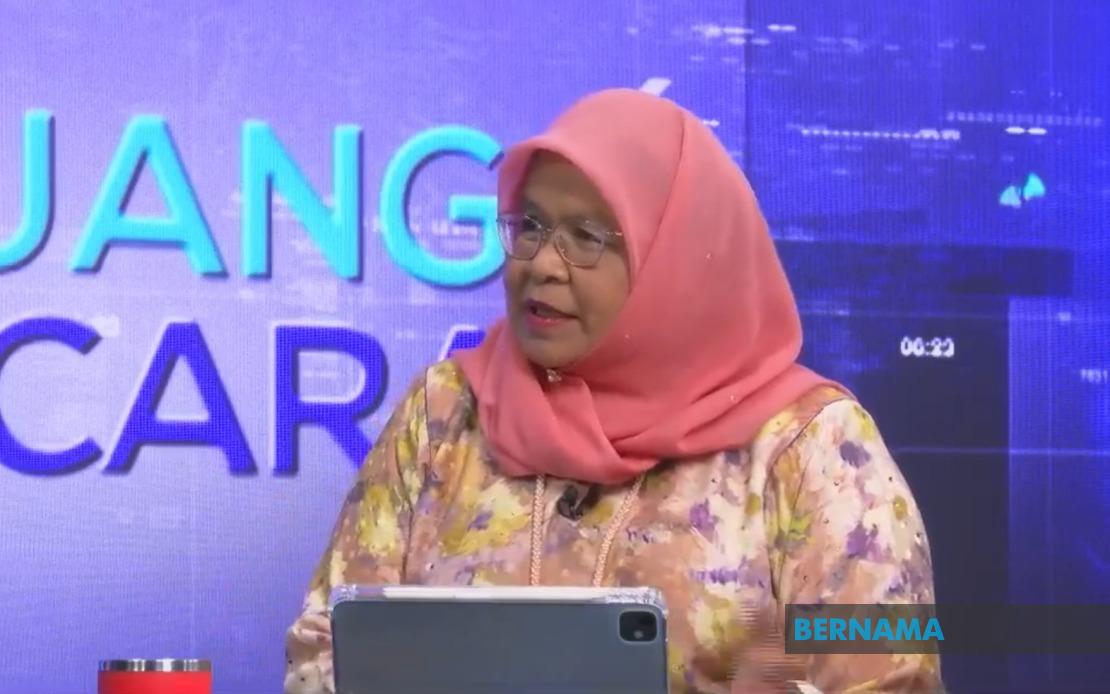
Empowering women to hold genuine decision-making authority requires far more than simply placing them in prominent positions—it demands robust support structures, targeted training, and an institutional culture that trusts their capabilities. This was the central message delivered by Datuk Seri Dr Maimunah Mohd Sharif, the Government's Sustainable Urban Development advisor and former mayor of Kuala Lumpur, who emphasised that women's participation in leadership shapes better policies that reflect diverse societal needs.
Maimunah underscored the critical importance of women occupying seats at decision-making tables, arguing that their presence directly influences whether policies address the lived experiences and perspectives of female citizens. Without women in these roles, governments risk creating frameworks that overlook half the population's concerns and aspirations. She encouraged women to seize opportunities when they arise and to invest actively in their own knowledge development, framing empowerment as a two-way responsibility shared between institutions and individuals.
The statistics Maimunah cited reveal a persistent imbalance between educational participation and professional advancement. While women constitute 56.4 per cent of total higher education enrolment according to 2025 data, only 27 per cent of management positions are held by women—a gap that suggests educational achievement alone does not translate into senior leadership roles. This discrepancy points to structural barriers within organizations and potentially discriminatory practices that prevent qualified women from ascending to positions where they can influence strategy and direction.
At the parliamentary level, women make up just 13.5 per cent of Members of Parliament, while female representation in the Cabinet stands at 16.1 per cent. These figures, though modest improvements from historical baselines, remain far below levels that would meaningfully reflect women's share of the population or their demonstrated educational and professional capabilities. Maimunah's pragmatic observation—that even reaching 50 per cent representation would be progress—highlights how far Malaysia's governance structures remain from genuine gender parity.
Datuk Mona Suraya Kamarudin, non-executive independent director at Nomura Asset Management, reinforced these themes from the private sector perspective, stressing that career advancement opportunities must be paired with formal training and structured leadership development programmes. Her experience in financial services demonstrates that technical competence alone, while necessary, proves insufficient without institutions willing to invest in women's advancement through mentorship and professional growth initiatives.
Kamarudin observed that within finance, women's technical skills and experience are widely recognized, yet their career trajectories typically stall at middle management levels rather than progressing to executive and board positions. This pattern suggests that hiring and initial placement practices may be relatively gender-neutral, but promotion pathways and succession planning mechanisms contain hidden biases or systemic obstacles that prevent women from reaching the top. The financial sector's merit-based culture—where managing money effectively matters regardless of gender—should theoretically create ideal conditions for women's advancement, yet even this meritocratic environment falls short of parity.
Family support emerged as another critical enabling factor in Kamarudin's analysis, particularly given Malaysia's cultural context where caregiving responsibilities remain disproportionately assigned to women. Professional women often face acute pressure to balance career ambitions with family expectations and domestic duties. Without structural support—whether through flexible work arrangements, childcare assistance, or partners willing to share household responsibilities equally—talented women are forced to sacrifice career progression or face overwhelming personal stress. Organizations serious about female leadership development must therefore address not just workplace barriers but also the external pressures that constrain women's availability and energy.
The conversation touches on a broader Southeast Asian challenge: talented women are graduating from universities and entering professions in substantial numbers, yet institutional culture and organizational practices prevent them from reaching decision-making levels. Malaysia's trajectory mirrors trends across the region, where female labour force participation grows while female leadership participation stagnates. This represents both a significant waste of human capital and a democratic deficit, as governments and corporations lack the perspectives and priorities that female leaders would bring to strategy and policy.
Maimunah's call for trust in women's capabilities addresses a psychological and cultural dimension often overlooked in gender equity discussions. Many organizations express commitment to diversity while simultaneously doubting whether women possess the resilience, decisiveness, or strategic thinking required at senior levels. This paradox—claiming to value women while distrusting their competence—creates an impossible environment where women must prove themselves constantly while men advance on credentials. Shifting this dynamic requires deliberate cultural change alongside structural reforms.
The path forward involves three interconnected elements. First, organizations must actively create leadership pipelines that identify and develop high-potential women early, rather than expecting exceptional women to navigate obstacles alone. Second, training and mentorship programmes must be designed specifically to address the distinct challenges women face, whether in navigating male-dominated networks or managing the work-life pressures that disproportionately affect female professionals. Third, institutional trust must be demonstrated through actions—promotions, board appointments, and resource allocation—not merely statements of commitment.
For Malaysia, these insights carry particular relevance as the nation positions itself as a competitive global economy. Countries and companies that fail to fully utilize women's talents and perspectives inevitably lag behind those that do. The gap between women's educational achievement and their representation in leadership positions represents untapped potential that strengthens competitors while weakening Malaysia's own capacity for innovation and competent governance.
Moving forward requires both individual initiative and systemic change. Women must indeed seize opportunities and pursue knowledge, as Maimunah urged. Simultaneously, institutions must fundamentally restructure themselves to remove barriers, provide genuine support, and create cultures where women's advancement is expected rather than exceptional. Only when opportunity, training, and trust converge can Malaysia truly unlock women's potential as decision-makers.

