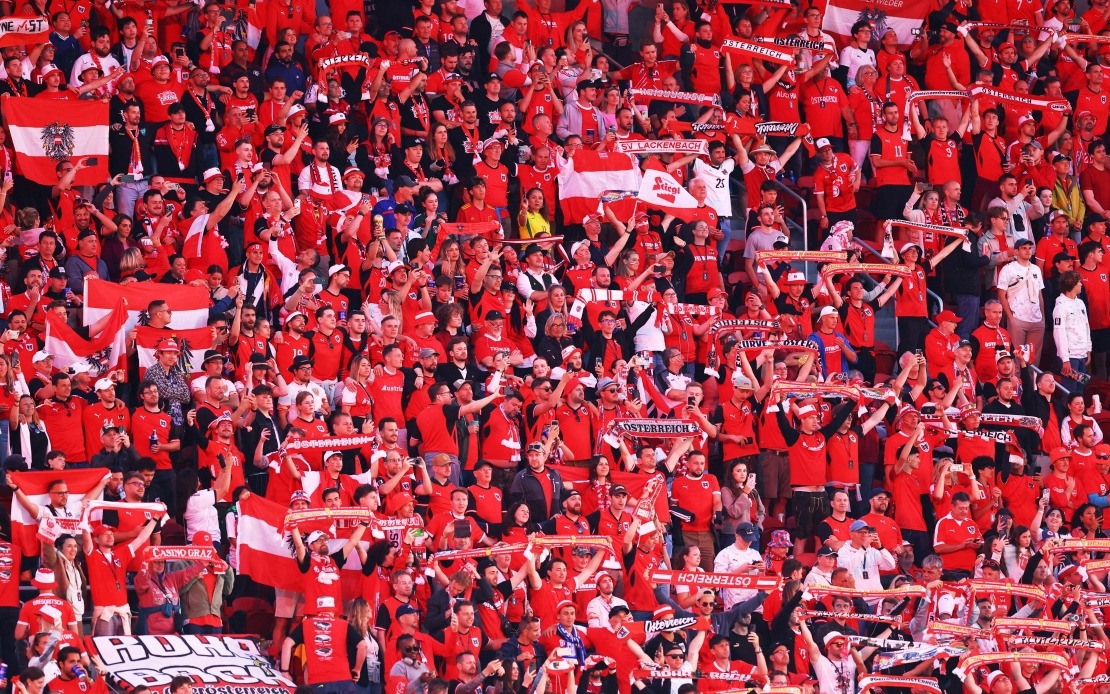
The first World Cup to feature an expanded 48-team format has shattered attendance benchmarks, drawing crowds that underline football's expanding commercial and cultural footprint across North America. FIFA confirmed that the 72 group-stage matches attracted 4.644 million spectators, a significant milestone that surpassed the previous record set during the 1994 tournament in the United States by more than one million attendees. This expansion reflects the sport's growing global appeal and the commercial potential of hosting the competition across multiple nations, as the tournament played out simultaneously in the United States, Canada, and Mexico.
The statistical picture, however, reveals a more nuanced story when examining per-match attendance figures. While the total spectator count reached historic levels, the average attendance of 64,508 per match fell short of the 68,991 average recorded in 1994. This apparent paradox stems directly from the tournament's structural redesign, which nearly doubled the number of matches from 52 to 72 games. The earlier tournament accommodated only 24 teams, meaning fewer overall fixtures but higher crowd density at each stadium. The expanded format thus distributes fans across significantly more matches, diluting the concentration of supporters at individual venues. For Malaysian observers following the tournament, this dynamic illustrates how tournament restructuring can simultaneously achieve record-breaking metrics while reducing individual match appeal.
The on-field action mirrored the attendance surge, with scoring reaching unprecedented levels during the group stage. A total of 215 goals across the 72 matches yielded an average of three goals per game, setting a new record for goal-scoring frequency. This compares favourably to the 2022 tournament held in Qatar, where 32 teams generated 179 goals across 64 matches, averaging 2.8 goals per encounter. The elevated scoring rate reflects broader trends in modern football, including attacking-minded formations, potentially less experienced defending units, and the expanded format's tendency to create mismatched encounters that favour higher-scoring outcomes. For regional football enthusiasts, this higher-scoring format offers more entertainment value and competitive unpredictability compared to traditional tournament structures.
The breadth of participation expanded dramatically with the new format, extending football's global reach beyond traditional powerhouses. A total of 999 players from the 48 competing nations featured in group-stage action, nearly achieving a symbolic milestone that would arrive when Canada's captain Alphonso Davies made his tournament debut during his nation's knockout-round clash against South Africa. Davies became the tournament's 1,000th player, highlighting how expanded formats necessarily incorporate more depth across international squads and provide opportunities for lesser-known footballing nations to participate at sport's grandest stage. This expansion carries particular resonance for Southeast Asian football federations, demonstrating FIFA's evolving commitment to broader global representation.
Beyond the playing field, the economic dimensions of the tournament proved equally significant, with stadium concessions revealing the scale of spectator engagement and commercial opportunity. Beverage consumption within stadiums reached staggering figures, with vendors selling approximately 2.8 million beers and nearly one million bottles of water across the three host nations. Food sales similarly reflected the tournament's magnitude, with 300,000 hot dogs consumed in stadiums alone. These figures underscore how major sporting events function as significant commercial engines for host destinations, generating revenue streams extending well beyond broadcast rights and sponsorships. The density of consumption—averaging roughly 40 beers and five hot dogs per 1,000 attendees—indicates sustained crowd engagement and the willingness of supporters to spend throughout matches.
The official fanfest experiences established across the three host countries amplified the tournament's commercial and cultural reach far beyond stadium confines. These designated viewing zones attracted more than 5.5 million additional visitors who contributed to the festival atmosphere and local economies. Within these spaces, visitors consumed more than 2 million alcoholic beverages and approximately 2 million soft drinks, creating secondary economic activity beyond traditional venue infrastructure. These figures suggest that modern World Cup hosting requires extensive investment in non-stadium venues to accommodate the broader fan base and maximize economic benefit. For Malaysia, these metrics offer valuable benchmarking data should the nation pursue future major tournament hosting opportunities.
The tournament's performance across multiple metrics demonstrates FIFA's successful implementation of its expanded format strategy, at least from a commercial and attendance standpoint. The decision to increase participating nations from 32 to 48, while contentious among traditionalists, demonstrably succeeded in boosting total attendance and generating heightened global interest. However, the slight decline in average per-match attendance suggests that growth came through increased volume rather than increased demand intensity. This distinction matters for understanding sustainable tournament models and whether future iterations can maintain these attendance levels.
For host nations and aspiring tournament organizers, the data provides crucial lessons about infrastructure requirements and economic planning. The consumption metrics indicate that venues must accommodate not merely seating capacity but extended commercial infrastructure to serve millions of spectators effectively. The regional context proves particularly relevant for Southeast Asia, where several nations have expressed interest in hosting future World Cup editions or other major tournaments. Malaysia and neighboring countries can extract valuable planning insights from how the three North American hosts managed logistics, crowd flow, and commercial operations across multiple venues simultaneously.
The 2026 tournament's success in establishing new attendance and engagement records positions the expanded format as FIFA's likely permanent model for future competitions. The organization has signaled its intention to maintain the 48-team structure in subsequent tournaments, suggesting that the records set during this edition may serve as baseline expectations rather than exceptional achievements. This permanence would represent a fundamental shift in World Cup economics and global football dynamics, affecting qualification pathways, tournament scheduling, and host nation investment calculations for decades ahead.

