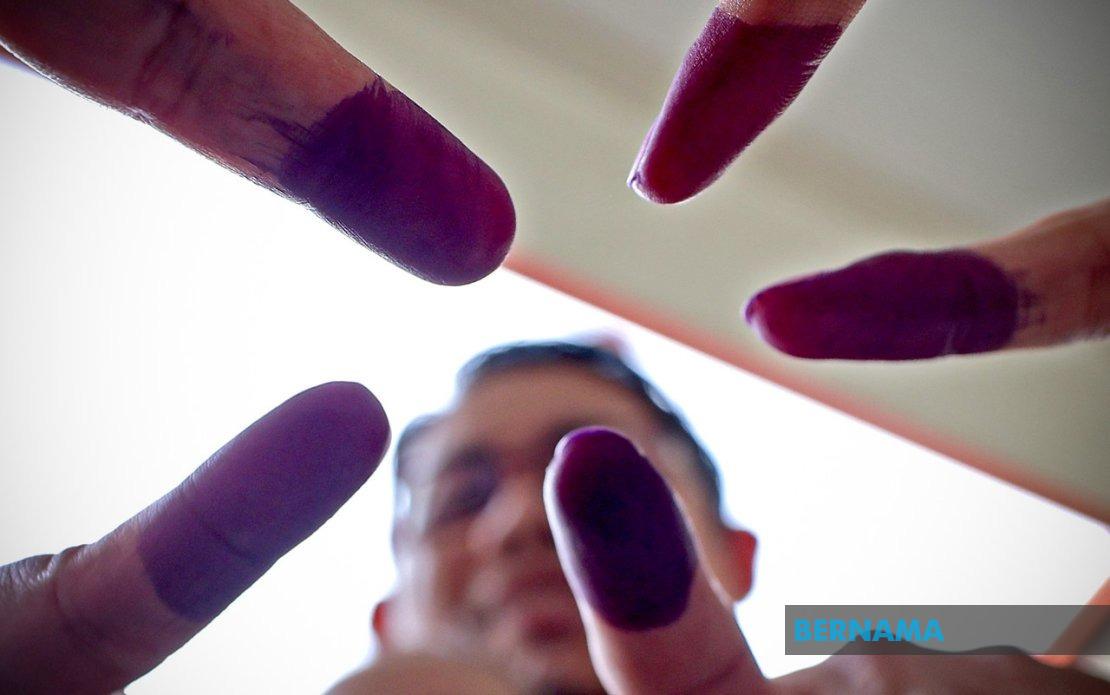
The 16th Johor state election scheduled for July 11 is shaping up as a contest where youthful and first-time voters may tip the balance in marginal constituencies, according to political analysts tracking the implications of voter registration reforms. The implementation of Undi18 and automatic voter registration has fundamentally altered the composition of the electorate, creating a cohort of younger voters who lack entrenched party loyalties and may prove instrumental in determining winners across several tightly contested seats throughout the state.
Election Commission data reveals the scale of this demographic shift. More than 1.29 million registered voters in Johor are below the age of 40, comprising 587,888 voters aged between 30 and 39, 544,657 aged 21 to 29, and 165,386 aged between 18 and 20. This younger bloc represents a substantial proportion of the overall electorate and concentrates significant voting power in what analysts characterise as a genuinely uncommitted segment of the population. Unlike previous generations of voters who inherited partisan identities, these younger electors often approach elections with minimal ideological baggage and greater flexibility in supporting candidates across party lines.
Associate Professor Dr Mohd Yusri Ibrahim, research chief at the Ilham Centre, emphasises that the electoral calculus has shifted accordingly. In marginal seats where victory margins traditionally measure in the hundreds or low thousands, the presence of sizeable cohorts of first-time voters transforms them into potential kingmakers capable of swinging outcomes decisively. These younger voters are not strongly wedded to particular political ideologies or long-standing partisan attachments, making them genuinely persuadable constituencies that campaigns must actively target. The strategic implication is profound: winning candidates in close races will likely be those who successfully mobilise and convert this younger demographic rather than relying solely on traditional party machinery.
Critical to understanding this shift is recognising how younger voters evaluate candidates and parties. According to Dr Mohammad Tawfik Yaakub, a senior lecturer at Universiti Malaya's Department of Political Science, voters aged between 18 and 39 assess political candidates primarily through lenses of performance, credibility, and problem-solving capacity rather than party label or family political tradition. This represents a fundamental reorientation of electoral behaviour. Rather than voting for a party their parents supported, or candidates from a familiar ethnic or religious faction, these younger voters increasingly demand to know what specific solutions candidates offer to problems affecting their daily lives. This shift empowers individual candidates with genuine appeal and competence while potentially damaging the electoral prospects of candidates relying heavily on party machine endorsement or identity politics appeals.
The geographic and demographic divisions within the younger voter cohort also matter significantly. Urban young voters typically possess greater exposure to national political narratives circulated through social media and online discourse, while rural counterparts remain more influenced by grassroots networks and the personal relationships candidates maintain within their communities. This distinction carries strategic implications for campaign resource allocation. Digital-first campaigns targeting urban youth may generate considerable online momentum and social media engagement but fail to translate enthusiasm into actual votes without corresponding grassroots mobilisation. Conversely, parties with strong traditional ground organisations may struggle to reach and persuade younger urban voters who primarily consume political information through social media platforms and online communities rather than door-to-door canvassing.
Dr Mohammad Tawfik articulates this tension sharply: social media creates momentum, but grassroots machinery converts that momentum into actual votes. Parties demonstrating strength in digital outreach but weakness in ground-level organisation often discover their online success fails to materialise as voting results. The implication for Johor's competing political forces is that success requires integration of both elements—sophisticated digital messaging reaching younger urban voters combined with effective community-level mobilisation in both urban and rural areas. This imposes significant resource demands on campaign organisations and advantages better-resourced parties capable of sustaining dual campaign strategies across different voter demographics and geographic regions.
Campaign messaging strategy must likewise adapt to these younger voters' demonstrated priorities and evaluative criteria. These fence-sitters increasingly look beyond identity politics frameworks and respond more persuasively to realistic policy proposals, candidates demonstrating credibility, and practical solutions addressing their concrete concerns. The implications contradict traditional Malaysian political messaging that emphasises party brand, historical grievances, or ethnic and religious identity markers. Instead, younger voters demand substantive discussion of policies affecting employment prospects, housing affordability, wage levels, and the escalating costs of daily living. Parties succeeding with this demographic will be those translating abstract party platforms into specific, achievable policy commitments addressing bread-and-butter economic concerns that tangibly affect younger voters' material circumstances.
The question of candidate quality takes on particular importance given younger voters' demonstrated receptiveness to new political faces, provided those candidates demonstrate credibility and genuine capability. Johor voters are becoming increasingly willing to support previously unknown or non-establishment candidates who present themselves as competent problem-solvers. However, this openness has clear limits. Youth alone does not guarantee electoral success; candidates must combine relative newness with demonstrated capability, relevant expertise, or track records of practical accomplishment. This preference for capable newcomers potentially disrupts traditional patterns of candidate selection based on seniority within party hierarchies or established political networks, forcing parties to reconsider whether veteran politicians or fresh talent better appeal to younger constituencies in marginal seats.
Economic concerns appear poised to dominate electoral decision-making among this crucial younger demographic. Rising living costs, wage stagnation relative to inflation, housing affordability crises, and employment opportunities represent the substantive policy terrain where campaigns will likely be decided. Political slogans and partisan appeals to historical grievance carry diminishing weight compared to demonstrable party or candidate competence in addressing these material concerns. This represents a reorientation of electoral politics away from identity-based cleavages toward economic management capacity. Parties best positioned to articulate convincing solutions to living cost increases, housing accessibility, and employment creation will possess significant advantages in persuading younger voters, particularly those whose limited economic resources make price inflation and wage concerns especially pressing.
Voter turnout patterns among this younger demographic will significantly influence final outcomes across marginal constituencies. Higher youth turnout could substantially alter Johor's political landscape by amplifying the electoral weight of this economically-motivated, performance-focused voting bloc. Early voting commences July 7, preceding the main election July 11, potentially affecting how effectively campaigns mobilise younger voters. The outcome will substantially depend on which political forces most successfully generate enthusiasm and overcome voting participation barriers among younger constituencies.
For Malaysian political observers, the Johor election provides a crucial laboratory for understanding how Undi18 and automatic voter registration are reshaping electoral dynamics across the country. The patterns emerging in Johor—younger voters' demonstrated swing capacity, their preference for policy-driven campaigns over identity politics, their receptiveness to credible new candidates, and their focus on economic management—likely foreshadow similar dynamics in future federal elections and other state contests. Political parties investing in understanding and adapting to these younger voter preferences will position themselves advantageously for the evolving Malaysian electoral landscape.

