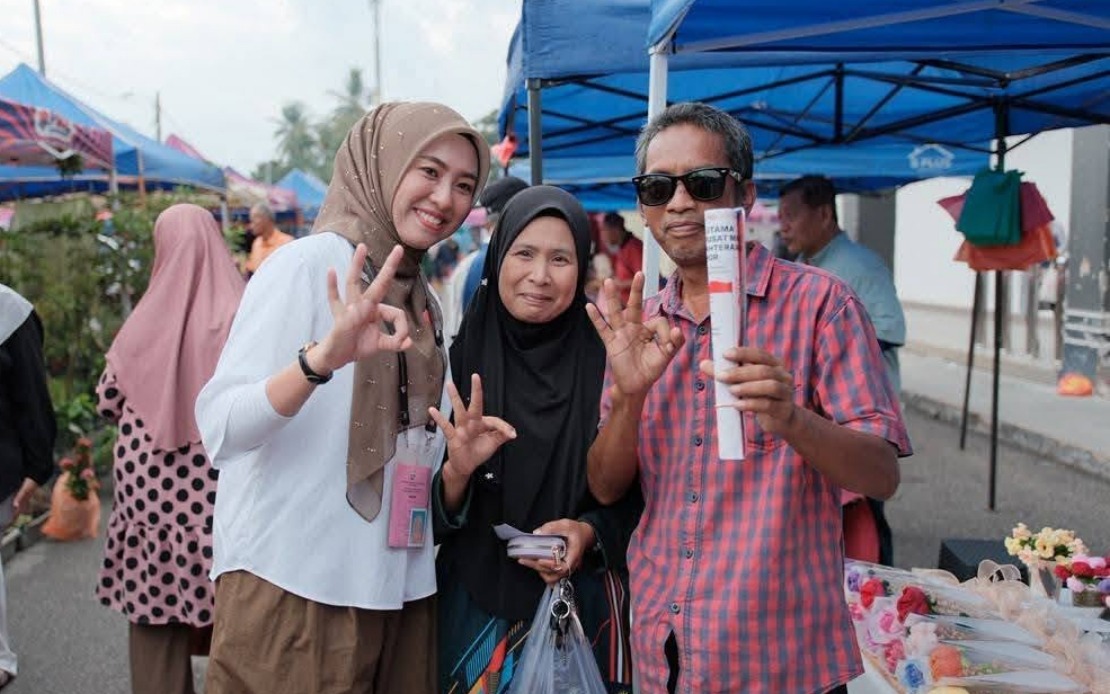
Ayna Soraya Badaruddin, the Pakatan Harapan candidate contesting the Sungai Balang state seat in Johor's 16th state election, has unveiled an ambitious blueprint to transform Pantai Seri Menanti from a modest coastal destination into a thriving recreational complex tailored to young Malaysians. The proposal addresses a genuine gap in leisure infrastructure while potentially addressing youth disengagement in the Muar district, where economic opportunities for younger residents remain limited compared to larger urban centres.
The seaside location, already recognised among fishing enthusiasts across the constituency, possesses untapped potential to become a meaningful draw for visitors seeking respite from urban pressures. Ayna Soraya's vision extends beyond simple tourism promotion; it targets structural economic benefits that would trickle down to ordinary residents through job creation and entrepreneurial avenues. Her strategy reflects a growing recognition among regional politicians that youth engagement requires purposeful, thoughtfully designed spaces rather than generic development schemes.
Central to the proposal is the creation of dedicated recreational zones where young people can pursue fishing and water-based activities within a safer, more organised framework. The addition of improved safety infrastructure, upgraded amenities, and better-maintained facilities would reduce barriers to access while encouraging greater participation. Such investments typically prove cost-effective compared to other development initiatives, leveraging existing natural advantages rather than requiring wholesale environmental restructuring.
The "healing spot" concept Ayna Soraya articulated through her social media campaign taps into contemporary wellness and lifestyle trends increasingly popular among Malaysian youth. By positioning Pantai Seri Menanti as a destination for stress relief and community gathering, the proposal acknowledges shifting preferences among younger demographics who value experiences and social connection over passive consumption. This positioning could differentiate the site from competing leisure destinations in the broader Johor region.
Integrating mini-stalls and a camping concept would establish commercial frameworks enabling local youth entrepreneurs to monetise their business ideas without requiring substantial capital investment or lengthy bureaucratic approval processes. This scaffolding approach to entrepreneurship has gained traction across Southeast Asia, where structured markets reduce risks for first-time business operators. By formalising these opportunities within the planned hub, Ayna Soraya's initiative could translate economic theory into tangible livelihoods for Sungai Balang residents.
The proposal to host regular fishing competitions at zonal and district levels strategically positions Pantai Seri Menanti within a competitive tourism landscape increasingly reliant on experiential offerings and sporting events. Such competitions generate multiplier effects—attracting external visitors increases demand for accommodation, food services, and transport, creating secondary economic opportunities beyond the primary event. The model has proven effective in smaller Malaysian towns seeking to boost profile and revenue without massive infrastructure expenditure.
From a broader electoral perspective, Ayna Soraya's detailed policy articulation distinguishes her campaign approach within a three-cornered contest that also includes incumbent Barisan Nasional assemblyman Selamat Takim and Perikatan Nasional candidate Muhammad Amin Sailan. Rather than offering abstract promises, she has presented concrete, location-specific proposals grounded in existing assets and community needs. This granular policy focus appeals to voters seeking evidence of genuine constituency engagement rather than generic campaign rhetoric.
The timing of this proposal within the 16th Johor State Election cycle reflects PH's strategy to emphasise practical governance and community-level development planning. With 172 candidates competing across 56 state seats and approximately 2.7 million registered voters participating, distinguishing policy platforms becomes essential for candidates seeking visibility. Ayna Soraya's detailed vision for Pantai Seri Menanti provides concrete material for voter conversations and media engagement in ways that generalised pledges cannot replicate.
Developing Pantai Seri Menanti as a youth hub also carries implications for broader state-level strategies regarding youth employment and social cohesion. Johor, as Malaysia's southern economic engine, must compete for working-age population retention against migration to Selangor and Kuala Lumpur. Projects targeting youth engagement and livelihood creation address this structural challenge through localized interventions that demonstrate state-level commitment to non-metropolitan constituencies.
The proposal additionally reflects contemporary thinking about sustainable tourism development, emphasising community participation and local economic capture rather than extractive models that funnel revenues to external investors. By prioritising spaces for local entrepreneurs and positioning residents as primary beneficiaries, the hub concept embeds equity considerations into economic planning. This approach increasingly resonates with Malaysian voters concerned about inclusive development that strengthens rather than displaces existing communities.
Implementation would require coordination between state government, local councils, and community stakeholders—a complexity that underscores the difference between campaign proposals and actual governance. Should Ayna Soraya successfully contest the seat, translating conceptual plans into operational facilities would demand sustained political will, adequate budgeting, and effective stakeholder management. These realities test campaign promises in ways electoral mandates alone cannot guarantee.

