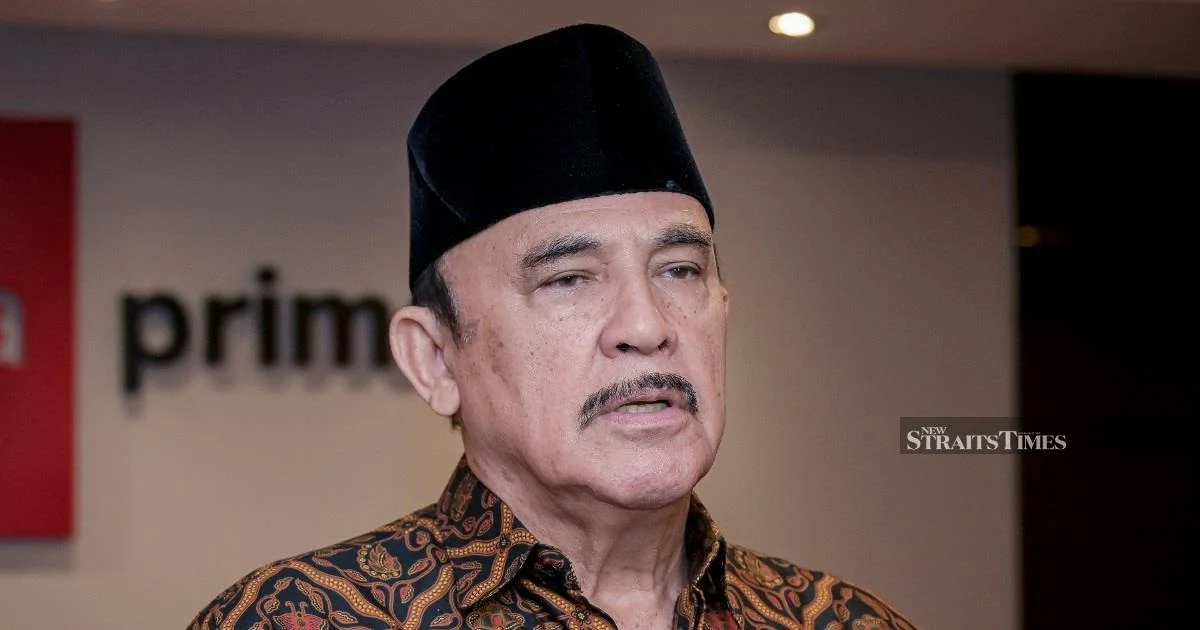
Prominent entertainment producer Datuk Yusof Haslam has chosen to remain neutral regarding actress Tisha Shamsir's current legal predicament, maintaining that such matters should be resolved through proper court channels rather than public interference. Following Shamsir's arrest at a Kuala Lumpur entertainment venue and subsequent positive drug test result, questions have naturally arisen about industry figures potentially offering support or guidance. Haslam's deliberate positioning suggests a recognition that high-profile involvement could complicate her legal standing or invite unwanted scrutiny.
The film and television industry in Malaysia has long grappled with questions of accountability, particularly when prominent personalities face criminal charges. Haslam's measured response reflects broader professional standards that maintain clear boundaries between personal sympathy and formal legal proceedings. By explicitly choosing not to intervene, the veteran producer signals respect for judicial independence and the seriousness with which Malaysian courts treat drug-related offences.
Shamsir's arrest represents another chapter in an ongoing pattern within the Malaysian entertainment sector where personal struggles occasionally intersect with legal consequences. The actress's situation has drawn considerable media and public attention, typical of cases involving recognizable public figures. This heightened visibility can create complex dynamics, as industry colleagues navigate between expressing compassion and avoiding perceptions of attempting to influence justice.
Haslam's philosophical approach to the matter—encapsulated in his observation that everyone makes mistakes—reflects a humanistic perspective that acknowledges human frailty without excusing legal breaches. This distinction proves crucial in Malaysia's regulatory environment, where drug offences carry substantial penalties and societal expectations regarding accountability remain stringent. The producer's stance essentially separates personal understanding from institutional obligations.
The entertainment industry's relationship with the legal system carries particular significance in Malaysia, where several high-profile cases have previously involved actors and performers. Each instance tests the boundaries of professional loyalty against civic responsibility and legal propriety. Haslam's decision to maintain distance establishes a precedent that even established industry figures recognize limits to what constitutes appropriate intervention.
For Shamsir herself, navigating court proceedings while remaining in the public consciousness presents considerable challenges. The combination of media scrutiny, professional uncertainty, and legal consequences creates a demanding personal environment. Her colleagues' responses—whether supportive, neutral, or distant—inevitably shape the broader narrative surrounding her case and its potential career implications.
Malaysia's drug enforcement authorities have maintained consistent operational standards across cases involving both ordinary citizens and public personalities. This impartiality, despite the prominence of individual defendants, reinforces the principle that legal consequences apply uniformly. Haslam's acceptance of this reality through his refusal to seek involvement demonstrates respect for institutional governance structures.
The broader entertainment ecosystem in Malaysia continues evolving regarding professional conduct standards and personal accountability. Incidents like Shamsir's arrest prompt industry-wide reflection about workplace policies, support systems, and preventive approaches to substance-related challenges. Rather than rushing to judgment or offering patronizing assistance, seasoned professionals like Haslam recognize that meaningful support might take different forms than public court-related intervention.
Looking ahead, Shamsir's legal outcomes will likely influence how the industry approaches similar situations going forward. Court decisions will establish whether rehabilitation opportunities exist within Malaysia's legal framework or whether purely punitive measures apply. The process itself remains significant regardless of ultimate resolution, as it tests the judicial system's capacity to balance accountability with human dignity.
Haslam's decision ultimately reflects mature recognition that individuals facing legal consequences require space to navigate their circumstances through proper authorities. His prayers for the best outcome and acknowledgment of human fallibility represent support expressed through appropriate channels—neither public grandstanding nor abandonment, but respectful acknowledgment that some matters require judicial rather than collegial resolution. This balanced approach potentially offers a template for how industry figures might respond to similar situations in future, maintaining both compassion and institutional respect.

