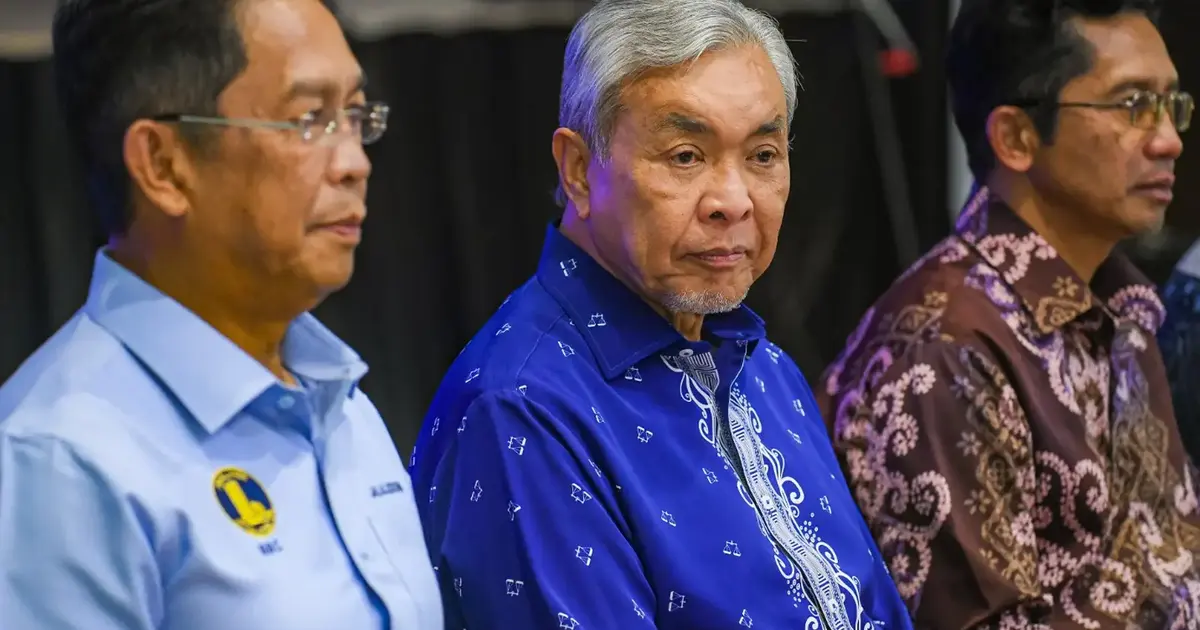
The chairman of Barisan Nasional has demanded that authorities launch a full investigation into claims of vote-buying in Negeri Sembilan, signalling the ruling coalition's determination to stamp out electoral misconduct within its own ranks. Zahid Hamidi made the appeal in response to mounting allegations that have surfaced within the state, underscoring deepening concerns about electoral integrity during a politically sensitive period for the coalition.
According to Zahid, the BN machinery has already taken proactive steps by lodging formal complaints with the police. These reports, he emphasised, come equipped with concrete evidence alongside detailed statements from multiple witnesses who claim to have observed or experienced vote-buying activities firsthand. The submission of such documentation suggests that BN officials believe they possess sufficient grounds to warrant official scrutiny and potential prosecution.
Vote-buying represents one of the most corrosive threats to democratic integrity in Malaysian politics, undermining the principle that every citizen's choice should reflect genuine preference rather than financial inducement. The practice not only violates election laws but erodes public confidence in the legitimacy of electoral outcomes. When allegations emerge within the BN itself—historically Malaysia's dominant political force—they carry particular weight given the party's responsibility as the governing coalition.
Negeri Sembilan has long been considered a BN stronghold, though the state has experienced competitive politics in recent election cycles. The emergence of vote-buying allegations in this context suggests internal fractures or external pressure from opposition forces attempting to undermine BN's traditional advantage. Understanding the motivation behind these claims—whether they reflect genuine institutional problems or opportunistic opposition strategy—requires careful investigation by impartial authorities.
The police force's involvement becomes crucial here, as they possess the investigative machinery and legal authority to interview witnesses, examine financial records, and pursue potential charges under the Elections Offences Act 1954. The specificity of Zahid's statement—that witness statements and evidence have been provided—indicates that the complaints transcend vague allegations and rest on identifiable claims that investigators can verify or disprove through procedural examination.
Zahid's public call for investigation also carries strategic messaging implications. By appearing to actively combat misconduct within BN's own structures, the coalition chairman projects an image of internal discipline and commitment to clean governance. This rhetorical positioning becomes particularly important if opposition parties attempt to weaponise such allegations as evidence of widespread BN corruption, allowing BN to argue that it has voluntarily invited scrutiny rather than attempting cover-up.
For Malaysian voters and political observers, the development raises questions about the prevalence of electoral malpractice across the political spectrum. Vote-buying allegations are not unique to BN and have surfaced in various contexts nationwide, yet public exposure and official response remain inconsistent. Whether authorities pursue these Negeri Sembilan cases with rigour will signal the government's seriousness about electoral enforcement and whether electoral violations receive equal treatment regardless of which party faces investigation.
The implications for Southeast Asian democracy are also noteworthy. Malaysia's democratic institutions, while functional, periodically face challenges regarding electoral transparency and campaign finance regulation. How authorities handle high-profile allegations against the ruling coalition—whether with fairness and thoroughness or with perceived bias—influences regional perceptions of Malaysian democracy's health. Other ASEAN nations already grapple with similar challenges, and Malaysia's response to electoral misconduct allegations becomes a reference point for regional standards.
The practical outcomes of this investigation will depend heavily on prosecutorial will and judicial independence. Even with credible witness testimony and evidence, converting complaints into successful prosecutions requires sustained commitment from law enforcement agencies and the willingness of courts to impose meaningful penalties. Previous instances of electoral offences have sometimes resulted in minimal consequences, which critics argue fails to serve as adequate deterrent against future misconduct.
Further complicating matters, vote-buying often involves complex networks of intermediaries—from local party operatives to community leaders to individual voters—making prosecution challenging. Establishing clear lines of causation between payments and voting behaviour requires detailed forensic analysis of financial transactions and testimony from those involved in such arrangements. The logistics of gathering such evidence intensify the investigative burden.
Going forward, the investigation's transparency will matter significantly to public perception. Regular updates on investigative progress, eventual charging decisions, and trial outcomes should be communicated clearly to maintain confidence in the process. Opaque handling of such sensitive cases—whether through apparent slowness or lack of visible follow-through—would reinforce cynicism about electoral enforcement and the political system's commitment to genuine accountability.
Beyond this specific instance, Malaysian policymakers might consider whether existing electoral laws and enforcement mechanisms adequately deter vote-buying or whether legislative reforms could strengthen preventative measures. Campaign finance transparency, stricter monitoring of campaign spending, and enhanced whistleblower protections could all contribute to reducing opportunities for electoral misconduct. As Malaysia continues evolving its democratic practices, addressing persistent electoral challenges remains essential to consolidating public faith in democratic institutions.

