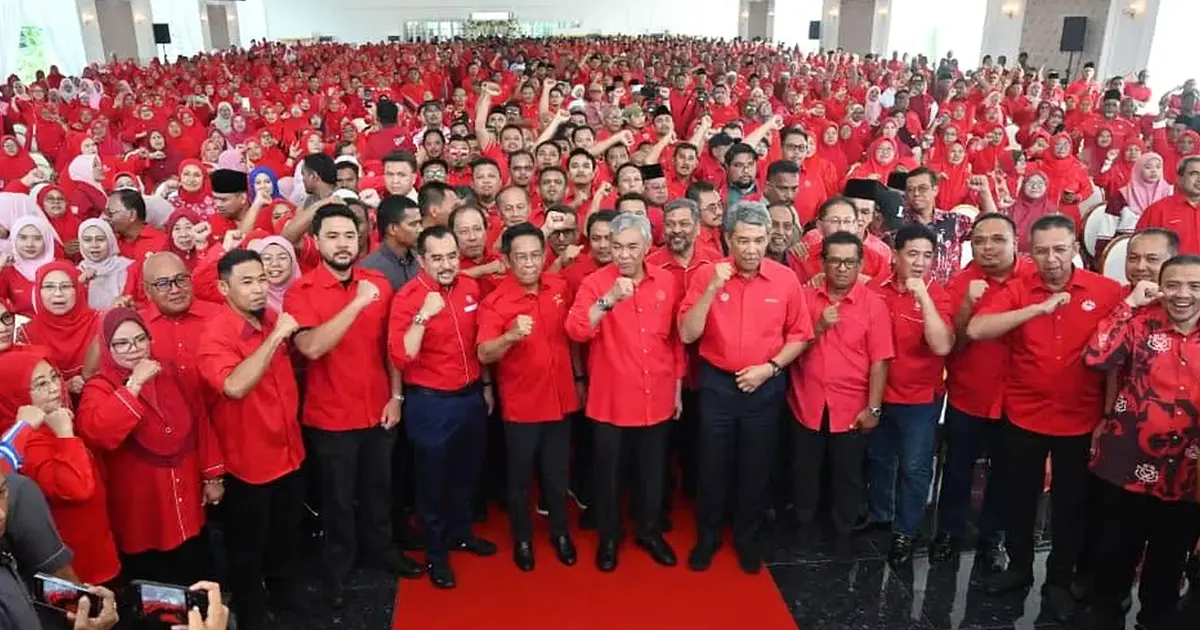
Barisan Nasional has appointed Tok Mat as the chief architect of the coalition's candidate selection process and seat distribution negotiations for the forthcoming Negeri Sembilan state elections. The decision reflects a streamlined approach to managing the complex logistics of coalition politics, with BN chairman Ahmad Zahid Hamidi stepping back from the immediate operational details to allow the state-level leadership greater autonomy over local arrangements.
Zahid's delegation of these responsibilities to the Negeri Sembilan BN chief represents a significant trust in Tok Mat's ability to navigate the delicate balance between competing interests within the coalition at the state level. This move is typical of how Barisan Nasional operates during electoral periods, distributing decision-making authority downward to regional leaders who possess intimate knowledge of local political dynamics, community preferences, and the strength of individual candidates across different constituencies.
The Negeri Sembilan state elections carry particular significance for Barisan Nasional's broader strategic positioning in the coming political cycle. As a state where BN has historically maintained considerable influence, Negeri Sembilan represents both a stronghold to defend and a potential platform for demonstrating renewed coalition cohesion following the various political realignments of recent years. The quality of the candidate selection process will therefore serve as a test case for how effectively the coalition can manage internal negotiations and present a unified front to voters.
Tok Mat's role extends beyond simply selecting candidates; he must also broker agreement among the various BN component parties regarding seat allocation. Barisan Nasional comprises multiple political parties with distinct constituencies and regional bases, and the distribution of available seats is invariably a contentious matter requiring careful negotiation to maintain party discipline and coalition stability. The process demands someone with credibility across component parties and sufficient standing to make difficult allocation decisions that will inevitably disappoint some stakeholders.
The centrality of seat negotiations to Tok Mat's mandate underscores how Malaysian electoral politics operates at the coalition level. Unlike single-party systems where candidate selection follows more straightforward hierarchical procedures, multi-party coalitions must constantly balance internal equity with electoral viability. Tok Mat must simultaneously pursue the most winnable candidate slate while ensuring that no coalition partner feels marginalized or deprived of reasonable representation opportunities that might jeopardize broader coalition unity.
For Malaysian readers following coalition politics, this development illustrates the distinction between formal leadership and functional authority within Barisan Nasional. Although Zahid remains the official chairman with ultimate responsibility for coalition strategy, devolving operational control to state-level leaders like Tok Mat allows the national leadership to maintain flexibility while preserving the appearance of central coordination. This organizational structure reflects lessons learned from previous electoral cycles where overly centralized decision-making generated resentment among component parties and state-level leaders.
The timing of this announcement matters significantly for Negeri Sembilan voters and political observers. By publicly positioning Tok Mat as the lead decision-maker, Barisan Nasional signals that the state coalition is moving forward with serious preparation for the next electoral opportunity. This creates a clear focal point for negotiations among component parties and establishes a known interlocutor for internal discussions, reducing the likelihood of competing power centers creating confusion or conflicting signals.
Tok Mat's appointment also carries implicit messaging about Barisan Nasional's confidence in his political judgment and coalition management skills. Within the coalition's internal hierarchy, being entrusted with primary responsibility for a state electoral process represents a significant endorsement of one's capabilities and political standing. It suggests that party leadership views him as someone capable of making tough decisions that will be accepted by multiple stakeholder groups despite inevitable disagreements.
Regionally, how Barisan Nasional manages this process in Negeri Sembilan will be observed closely by other state-level coalition partners and in neighboring states such as Pahang and Selangor. Successful navigation of the candidate selection challenge while maintaining coalition cohesion establishes a template that could be replicated elsewhere, whereas acrimonious negotiations or visible internal disputes could undermine confidence in the coalition's ability to contest elections effectively across the country.
The economic implications of having a strong, stable state government in Negeri Sembilan also matter for the broader region. As a state with significant industrial development, manufacturing sectors, and growing urbanization, continuity in governance structures and policy-making can benefit business communities and investors. Coalition stability feeds into governmental predictability, which in turn influences investment decisions and economic planning across the state.
Moving forward, observers will watch how Tok Mat's leadership of the selection process unfolds and whether the candidate slate ultimately announced reflects genuine merit-based assessment, component party equity, or some hybrid approach balancing these competing criteria. The success of these negotiations will substantially shape Barisan Nasional's electoral prospects in Negeri Sembilan and provide important signals about the coalition's viability as a governing force in Malaysian politics more broadly.

