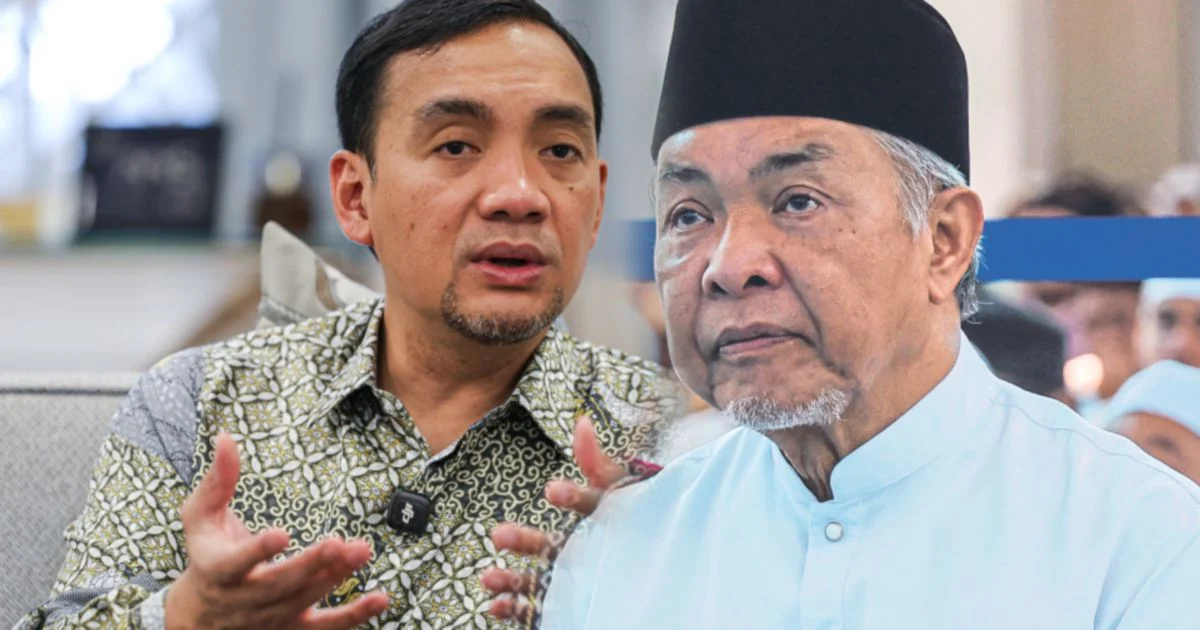
Deputy Prime Minister Zahid Hamidi has moved to quash mounting speculation regarding the movements of Johor's caretaker Menteri Besar Datuk Onn Hafiz Ghazi, stating unequivocally that no official directives have been issued to prevent him from accessing Federal Land Development Authority (Felda) settlements across the state.
The clarification comes at a delicate moment in Johor's political landscape, where the state prepares for fresh elections following the dissolution of its legislative assembly. As caretaker chief minister, Onn Hafiz continues to occupy a sensitive position, balancing administrative responsibilities with the restrictions typically placed on political figures during interim election periods. Zahid's intervention suggests that questions about his movements have gained enough traction to warrant a public response from the federal leadership.
Felda settlements represent a significant political constituency across Malaysia, particularly in Johor where the authority manages substantial land holdings and serves thousands of settler families. These communities have historically wielded considerable political influence, given their concentrated voting numbers and community cohesion. Access to Felda areas is often strategically important during election cycles, making any perceived restrictions a matter of public interest and speculation among political observers.
The statement appears designed to reassure both Onn Hafiz and Felda residents that normal political engagement can continue unimpeded. Such clarifications, while seemingly routine, signal that procedural concerns regarding the conduct of caretaker officials have arisen sufficiently to require official resolution. In Malaysian electoral politics, even ambiguous or unclear guidelines regarding what caretaker officials may do during interim periods can generate uncertainty and rumour.
Onn Hafiz's tenure as caretaker Menteri Besar places him in a uniquely constrained position. While he retains executive authority to oversee state government operations and service delivery, strict conventions limit caretaker officials' engagement in overtly political activities. However, representing constituents and maintaining relationships with communities, including Felda residents, typically falls within the scope of administrative duties rather than election campaigning.
The distinction between administrative engagement and prohibited political activity has become increasingly important as election dates draw closer in Johor. Federal authorities, represented through Zahid's clarification, appear committed to ensuring that uncertainty does not unnecessarily restrict caretaker officials' ability to perform their governance roles. This balance proves critical for maintaining public services and government credibility during transition periods.
Zahid's statement also reflects broader federal-state coordination regarding electoral conduct. The Deputy Prime Minister's intervention indicates that any confusion or concerns about Onn Hafiz's access to Felda areas had been flagged by relevant authorities, prompting clarification to avoid further misunderstandings. Such preemptive communications help establish clear ground rules that all parties can reference as campaigns intensify.
For Felda communities, the clarification carries practical significance. These settlements depend on regular engagement with state government officials for service delivery matters ranging from infrastructure maintenance to agricultural support programmes. Restrictions on the caretaker Menteri Besar's access would have complicated residents' ability to present local grievances and concerns to the highest state official authority during the crucial interim period.
The political context surrounding this matter extends beyond mere procedural clarity. Johor remains one of Malaysia's most politically significant states, with competitive two-party dynamics and substantial voter populations. Felda settlements, with their organised communities and distinctive voting patterns, have consistently played pivotal roles in determining electoral outcomes. Any perceived attempts to limit opposition or incumbent figures' access to these communities invariably draw scrutiny from political parties and electoral observers.
Zahid's explicit denial that such instructions exist serves multiple purposes simultaneously. It reassures caretaker officials that they can execute their responsibilities without arbitrary restrictions, signals to Felda residents that normal government functions continue uninterrupted, and demonstrates federal commitment to ensuring that electoral procedures respect the legitimate roles of interim administrations. This clarity proves essential for maintaining confidence in institutional impartiality during election cycles.
Looking ahead, as Johor moves toward electoral contests, such clarifications may become increasingly common. The caretaker period represents a particularly sensitive phase where procedural propriety demands constant vigilance, yet administrative efficacy requires sufficient operational flexibility. Zahid's statement helps thread this needle by confirming that proper balance will be maintained between ensuring electoral fairness and preserving effective governance during transition periods.