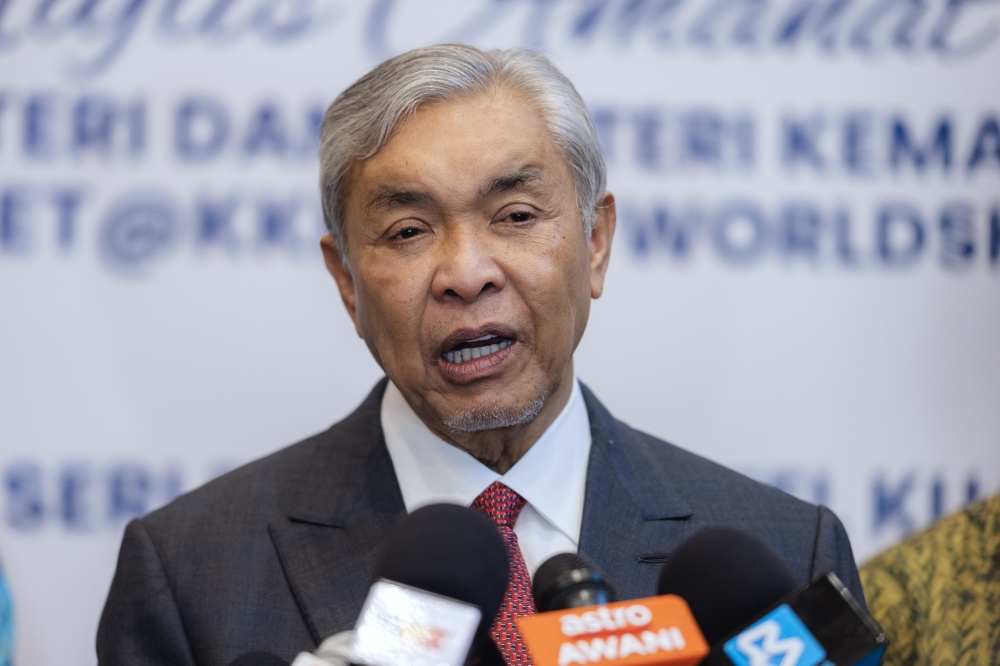
Deputy Prime Minister Datuk Seri Dr Ahmad Zahid Hamidi has committed to funding umrah pilgrimages for vocational trainees who achieve gold medal recognition at the WorldSkills competition, marking a significant initiative to reward excellence within Malaysia's technical education sector.
The pledge represents a dual commitment to celebrating Malaysia's competitive performance in international skills tournaments while simultaneously honouring religious and cultural values important to the nation's Muslim workforce. By linking achievement in global vocational competitions with spiritual pilgrimage opportunities, the government signals its intent to integrate professional development with community values, creating additional incentives for ambitious trainees in technical and vocational education and training (TVET) programmes.
WorldSkills competitions serve as critical platforms for showcasing technical expertise across numerous disciplines, from welding and automotive repair to information technology and culinary arts. Malaysia's participation in these international events has grown substantially, reflecting expanding capacity within domestic TVET institutions and rising quality of vocational instruction. Gold medals at WorldSkills tournaments represent extraordinary achievement, requiring months of intensive training and exceptional skill mastery. The announcement positions Malaysia as a nation willing to invest meaningfully in recognising and celebrating such accomplishments.
Umrah sponsorship carries particular significance within Malaysia's Muslim-majority context. The opportunity to perform the lesser pilgrimage—a spiritually meaningful journey for many Muslims—serves as powerful recognition that extends beyond conventional career advancement. This approach reflects understanding that vocational excellence and personal or spiritual fulfilment need not exist as separate spheres, and that comprehensive support for promising technical professionals encompasses their broader aspirations.
The TVET sector faces ongoing challenges in attracting top talent in Malaysia, competing against perceptions that academic pathways remain more prestigious or lucrative. Government initiatives offering substantial benefits tied to outstanding achievement help reshape narratives surrounding vocational careers. When senior officials like the Deputy Prime Minister actively celebrate technical excellence and provide tangible rewards, institutional messaging shifts. Young Malaysians considering career trajectories encounter evidence that TVET pathways offer genuine advancement, recognition, and access to meaningful opportunities.
WorldSkills participation requires substantial institutional investment in training facilities, coaching expertise, and competitor support systems. Individual competitors spend countless hours perfecting techniques under expert mentorship. The umrah sponsorship acknowledges this collective effort while singling out gold medalists for extraordinary recognition. Such targeted incentive schemes, when resourced adequately and implemented transparently, can catalyse broader excellence throughout vocational education ecosystems by establishing clear pathways connecting effort and achievement to meaningful reward.
Regionally, Southeast Asian nations compete intensely for workforce advantage as manufacturing, service industries, and digital sectors expand throughout the region. Malaysia's investment in high-performing TVET graduates contributes to competitive positioning in increasingly skills-dependent sectors. Gold medalists at WorldSkills competitions represent Malaysia's talent pipeline at its most refined, showcasing not merely individual excellence but also systemic capacity to develop world-class technical professionals. International recognition of these achievements enhances Malaysia's reputation as a nation serious about skills development and quality workforce production.
The financial commitment, while substantial when summed across multiple gold medalists, remains relatively modest compared to broader education budgets. Nevertheless, the symbolic weight carries disproportionate influence. News of such recognition reaches TVET institutions across the country, informing counsellors, educators, and prospective students about government priorities and the tangible returns available through competitive excellence. Aspiring trainees encounter concrete evidence that exceptional performance receives meaningful acknowledgement from highest levels of government leadership.
Implementation mechanisms merit attention to ensure the initiative achieves its intended effects. Clear eligibility criteria, transparent selection processes, and reliable delivery of promised benefits strengthen incentive structures. Communications strategies must reach target audiences effectively, ensuring awareness extends throughout TVET institutions and secondary schools where vocational pathway decisions occur. Coordination between relevant ministries—including those overseeing TVET, pilgrimage arrangements, and international competition participation—ensures smooth programme execution.
The initiative also reflects evolving government approaches to meritocratic recognition within public service contexts. Rather than limiting celebration of excellence to traditional academic or administrative achievements, the sponsorship extends recognition into vocational spheres. This inclusive approach potentially reshapes cultural attitudes toward technical professions, encouraging society-wide revaluation of where genuine skill mastery deserves respect and reward.
Looking forward, this pledge may catalyse additional government or private sector incentive schemes targeting TVET excellence. Corporations seeking technically skilled employees benefit directly from elevated overall competency levels within vocational education systems. Creating diverse pathways for recognising and rewarding achievement—whether through umrah sponsorship, scholarship advancement, employment guarantees, or other means—strengthens motivational architecture throughout TVET institutions.

