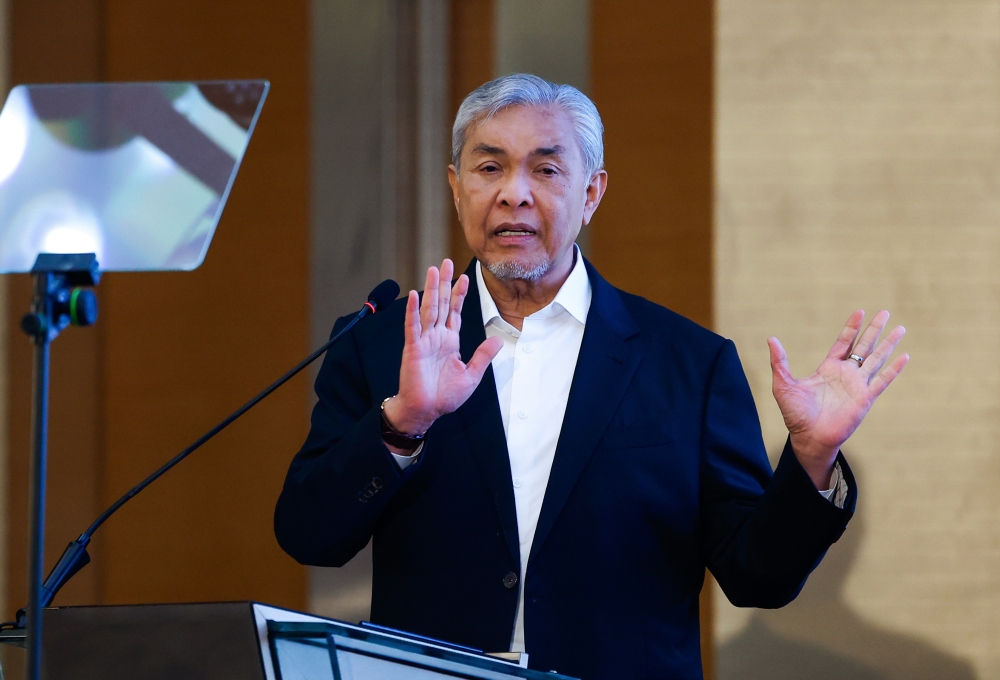
Deputy Prime Minister Zahid Hamidah has proposed that the Cabinet extend the scope of the Royal Commission of Inquiry into Tabung Haji to include the fund's recovery and rehabilitation phase, not merely the period during which the crisis unfolded. Speaking in Seremban on July 30, Zahid articulated the need for a more comprehensive examination that would assess both the circumstances that led to the financial difficulties and the effectiveness of corrective actions subsequently implemented.
The suggestion signals a shift toward a more holistic approach to investigating Malaysia's pilgrimage fund, which has faced significant scrutiny following revelations of substantial losses and governance concerns. By extending the RCI's mandate to cover remedial efforts, the government appears intent on ensuring accountability across the entire timeline of institutional failure and recovery, rather than limiting scrutiny to the period when problems crystallised. This broader framework would allow commissioners to evaluate whether recovery measures were appropriately designed and executed.
Tabung Haji has been a cornerstone institution for Malaysian Muslims seeking to perform the hajj pilgrimage, providing financing and logistical support to hundreds of thousands of pilgrims annually. The fund's financial difficulties have profound implications beyond balance-sheet concerns, affecting the savings and aspirations of millions of Malaysian families who depend on its services and investment returns. Any structural weaknesses or mismanagement directly impact ordinary Malaysians preparing for one of Islam's five pillars.
The proposal to expand the RCI's investigative remit reflects growing recognition that understanding institutional failure requires examining not just origins but trajectories. A comprehensive review can identify whether recovery strategies represent genuine corrective action or merely superficial remediation. For Malaysian observers and stakeholders, this distinction matters considerably, as it determines whether systemic vulnerabilities have genuinely been addressed or merely concealed. The extended timeframe would permit rigorous assessment of management decisions, resource allocation, and strategic pivots during the recovery phase.
Tabung Haji's challenges have tested Malaysia's institutional resilience and prompted broader conversations about governance within large state-linked entities managing public funds. The fund's difficulties are not isolated to the organisation itself but reflect systemic questions about oversight mechanisms, board accountability, and the effectiveness of regulatory frameworks governing such institutions. An RCI that encompasses recovery measures can therefore contribute valuable insights applicable to similar entities across the Malaysian public sector.
For Southeast Asian observers monitoring Malaysia's institutional health, the depth and transparency of this inquiry carries symbolic weight. The region's emerging markets and developing economies increasingly face scrutiny regarding governance standards and institutional credibility. How Malaysia handles the Tabung Haji investigation, including the scope and conclusions of its royal commission, influences regional perceptions of Malaysian governance quality and investor confidence in the country's institutional frameworks.
The Cabinet's consideration of Zahid's proposal indicates internal discussions about balancing thoroughness with operational continuity. An expanded RCI mandate could necessitate extended timelines and resource commitments, raising questions about whether the Commission can effectively investigate both crisis and recovery periods without undue delay. Malaysian stakeholders—including pilgrims, depositors, and taxpayers—have legitimate interests in timely conclusions, particularly as the hajj season remains central to Malaysian religious and cultural life.
Extending the RCI's purview to recovery measures also creates opportunities for identifying whether management changes implemented in response to initial scandals have genuinely strengthened governance. The inquiry can assess whether new leadership, revised policies, and institutional reforms represent substantive transformation or cosmetic adjustment. Such analysis provides valuable baseline data for measuring Tabung Haji's future performance and institutional evolution.
The proposal underscores ongoing political attention to financial stewardship within Malaysia's institutional landscape. Recent years have witnessed increased scrutiny of large funds and state-linked enterprises, reflecting public demand for greater accountability. For Zahid and the Cabinet, demonstrating commitment to comprehensive investigation may serve dual purposes: addressing legitimate governance concerns whilst managing public expectations about the inquiry's scope and potential findings.
Southeast Asian analysts tracking Malaysia's institutional development will view this proposal as indicating whether the government prioritises depth of investigation over expedited closure. An RCI encompassing both crisis and recovery phases could generate insights beneficial for Malaysia and neighbouring economies grappling with similar institutional challenges. The findings may inform best practices for governance improvement across the region's public sector entities managing substantial citizen savings and investments.
As Cabinet deliberations proceed on the RCI's precise mandate, stakeholders await clarification regarding investigation timelines, anticipated conclusions, and whether recommendations will extend beyond Tabung Haji to address systemic governance weaknesses in comparable institutions. The breadth of this inquiry will significantly influence public confidence in Malaysian institutional reform efforts and the government's commitment to accountability mechanisms.

