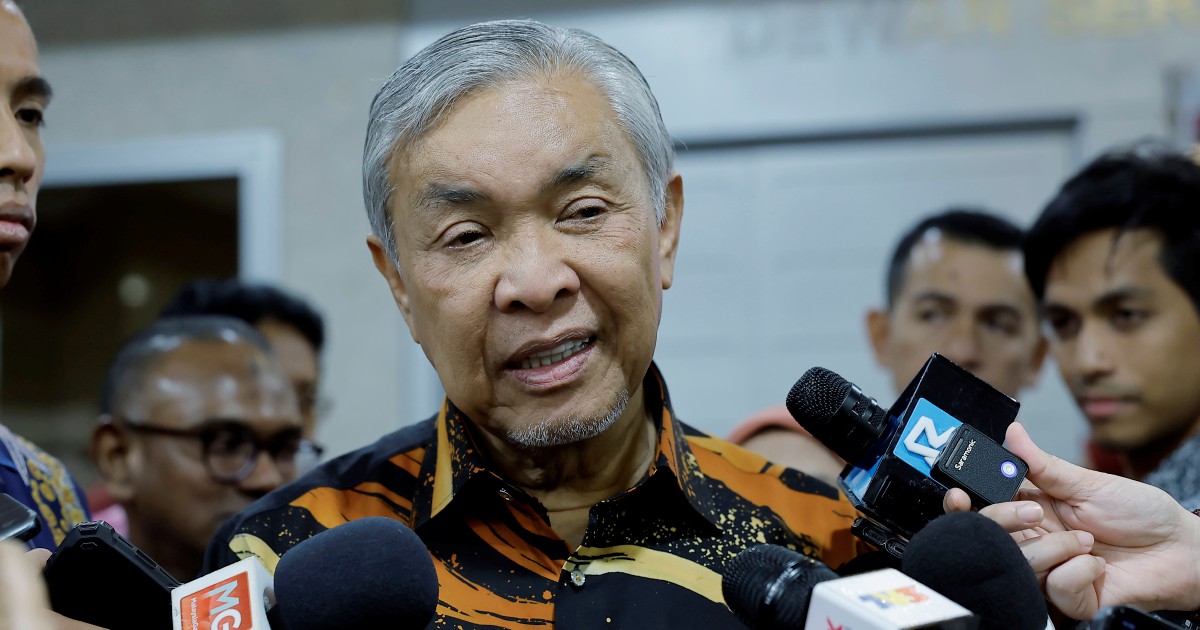
Datuk Seri Dr Ahmad Zahid Hamidi, steering the Barisan Nasional coalition, has pushed back forcefully against suggestions that outside actors played a role in shaping the leadership transition for Negri Sembilan's top executive position. Speaking in Putrajaya, the BN chairman framed the controversy as emerging from those insufficiently versed in Malaysia's political machinery and the practical workings of coalition governance.
The appointment of a Menteri Besar in any Malaysian state represents a delicate equilibrium of party politics, constitutional procedure, and coalition dynamics. In a federal arrangement where nine states possess hereditary rulers, the Sultan's formal role in selecting the Menteri Besar remains ceremonial yet politically significant. The tension between party mechanisms and royal prerogative has long shaped succession processes, particularly when coalitions control state assemblies or when internal party factions contest for supremacy.
Zahid's dismissal of external interference accusations suggests that questions about the Negri Sembilan appointment stem from observers misreading routine coalition management as improper influence. Within the Barisan Nasional's multiethnic structure, comprising the United Malays National Organisation (UMNO), Malaysian Chinese Association (MCA), and Malaysian Indian Congress (MIC), alongside other component parties, the selection of state leaders involves intricate negotiations balancing communal representation, party seniority, and geographic considerations.
The Negri Sembilan appointment occurs within a broader context of BN's efforts to consolidate power following the 2022 general election, where the coalition reclaimed significant parliamentary influence after losing federal government in 2018. State-level appointments serve as crucial mechanisms for rewarding party loyalists, maintaining coalition cohesion, and demonstrating effective governance to voters. Any perception of interference, whether internal or external, risks undermining the legitimacy of chosen leaders and straining coalition partnerships.
Zahid's characterisation of critics as politically naive reflects a common strategy among establishment figures when facing institutional scrutiny. By positioning the debate as one between sophisticated insiders and uninformed observers, he attempts to sidestep substantive discussion of the appointment's circumstances. This rhetorical approach has precedent in Malaysian politics, where invocations of political complexity often serve to deflect questions about decision-making transparency.
For Negri Sembilan specifically, the Menteri Besar position carries particular weight. The state, ranking among Malaysia's smaller administrative units but economically significant through its manufacturing sectors and strategic location between Selangor and Pahang, directly influences BN's performance in the southern corridor. Leadership credibility matters considerably for state development projects, investor confidence, and the coalition's standing among Negri Sembilan voters who will determine electoral outcomes in future general elections.
The broader implications for Malaysia's political system centre on evolving standards of transparency in power transitions. As civil society, media, and increasingly younger voters demand clearer articulation of appointment criteria and decision-making processes, established political figures face pressure to justify selections beyond invoking procedural propriety. Whether Zahid's approach—essentially asserting that critics lack requisite political knowledge—adequately addresses legitimate questions about appointment integrity remains contested.
Within Southeast Asia's political landscape, where Malaysia positions itself as a democratic model, the handling of high-profile appointments carries regional resonance. Other democracies in the region grapple with similar tensions between behind-the-scenes political negotiation and public expectation for transparent, merit-based selection processes. How Malaysian leaders navigate these tensions influences perceptions of institutional maturity and democratic practice across the region.
The Negri Sembilan situation also reflects evolving dynamics within UMNO and the broader Barisan Nasional coalition. Younger party members and activists have increasingly questioned traditional power structures, demanding greater inclusivity in decision-making and clearer articulation of meritocratic principles. Zahid's dismissive response to interference allegations, while asserting conventional political wisdom, potentially intensifies internal pressure from those seeking systemic reform of how the coalition conducts leadership selection.
Moving forward, the credibility of both the appointed Menteri Besar and the Barisan Nasional leadership depends substantially on demonstrable governance performance rather than rhetorical defence of the appointment process. Negative perceptions formed during succession disputes can linger, affecting the new Menteri Besar's political capital and limiting their capacity to implement ambitious state-level initiatives. Zahid's comments, therefore, represent not merely a rebuff to critics but a moment where the coalition's broader institutional credibility hangs in question.
The appointment controversy underscores persistent challenges in Malaysian democracy regarding the balance between elite political networks and inclusive, transparent governance structures. As pressures for democratic deepening accumulate across Asia, how Malaysia's political establishment addresses such tensions will increasingly determine both domestic legitimacy and international standing. Zahid's stance suggests the Barisan Nasional leadership currently favours defending established practices rather than contemplating substantive reforms to appointment transparency.

