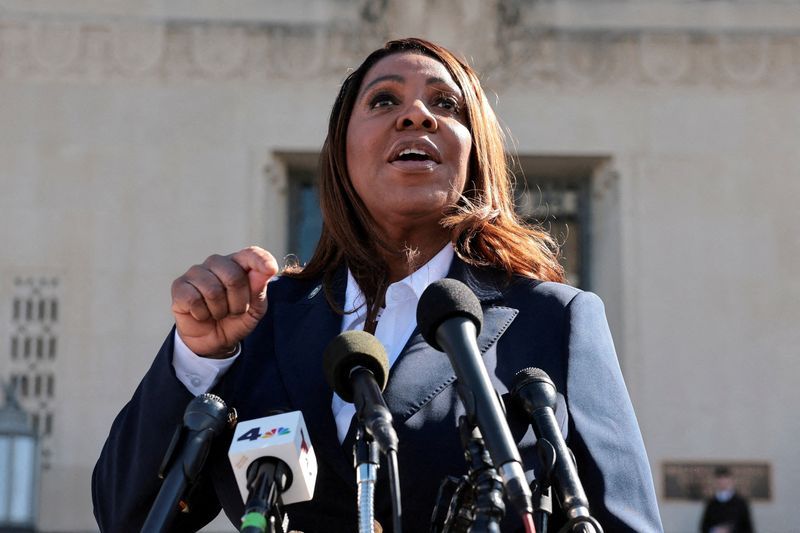
A New York state court has dealt a significant blow to Zelle, the digital payment platform owned by seven major American banks, by refusing to dismiss a fraud-related lawsuit brought by New York Attorney General Letitia James. The decision, rendered Tuesday by Justice Phaedra Perry-Bond of Manhattan, opens the door for James to advance her allegations that the company systematically prioritized market expansion and user convenience over implementing essential fraud protections, ultimately enabling criminals to steal more than $1 billion from customers.
The core of James's complaint centres on what she characterises as a deliberate corporate choice to launch Zelle with insufficient safeguarding mechanisms, despite clear warnings from banking partners and growing awareness of emerging fraud risks. Justice Perry-Bond found these allegations sufficiently substantive to survive the initial dismissal phase, accepting that Early Warning Services—Zelle's parent company and a consortium owned by Bank of America, Capital One, JPMorgan Chase, PNC, Truist, US Bank and Wells Fargo—had consciously traded consumer protection for competitive advantage. This determination represents a crucial procedural victory for the attorney general's office as the case moves forward through discovery and potential trial.
Zelle's business model has come under increasing scrutiny for the gap between its marketing promises and operational reality. The platform marketed itself to consumers using slogans suggesting it offered "peace-of-mind" and reassurance through its connection to major banking institutions, with advertisements stating that Zelle was "backed by the banks, so you know it's secure." These promotional claims now form part of James's argument that the company misled customers about the actual level of protection available to them. The judge's ruling indicates that claims about being backed by major financial institutions while simultaneously maintaining inadequate fraud prevention systems raise legitimate questions about misleading advertising practices.
Another damaging finding for Zelle involved the company's continued collection of transaction fees from fraudulent payments. Justice Perry-Bond noted that this practice raises troubling implications regarding whether Zelle implicitly or expressly consented to fraudulent activity on its platform. The argument that a company profits from criminal transactions whilst claiming to be unaware of their occurrence presents a logical inconsistency that the court found warranted examination at trial. This aspect of the case could prove particularly influential with a jury if the matter reaches that stage.
The timeline of Zelle's security implementation undermines the company's position substantially. James documents how Zelle had actually proposed basic fraud safeguards four years before officially implementing them in 2023. The delay in adopting these protective measures becomes especially problematic once understood against the backdrop of escalating pressure from federal regulators and congressional attention. The U.S. Consumer Financial Protection Bureau had launched its own investigation into Zelle's practices, and several members of Congress initiated probes into the platform's handling of fraud complaints. Only after these external pressures intensified did Zelle finally implement security features it had previously deemed unnecessary for market competitiveness.
The types of fraud perpetrated against Zelle users reveal the sophistication of criminal tactics that the platform allegedly failed to anticipate or prevent. Scammers exploited account credentials through hacking, convinced vulnerable users to remit payments for goods and services that never existed, and executed elaborate impersonation schemes posing as legitimate banks, government agencies and utility companies. The prevalence and variety of these schemes suggest systematic vulnerabilities in Zelle's infrastructure rather than isolated incidents caused by particularly clever individual fraudsters.
Zelle's parent company has mounted a vigorous defence, dismissing the allegations as politically motivated. Company spokesperson Eric Blankenbaker asserted that fraud reports remain exceptionally low and characterised the attorney general's action as an attempt to gain political advantage by recycling arguments that courts nationwide have previously rejected. This response strategy attempts to frame the lawsuit as part of a pattern of groundless legal challenges to Zelle's operations. However, the judge's ruling that James has adequately pleaded her case contradicts this characterisation, at least at this procedural stage.
Zelle entered the competitive digital payments landscape in 2017, arriving after established rivals like PayPal's Venmo and Block's Cash App had already captured substantial market share. This positioning may have intensified pressure on Early Warning Services to prioritise rapid user acquisition and convenience features over more cautious, security-first development. The company's founders apparently reasoned that robust fraud prevention systems might complicate the onboarding experience and slow adoption among consumers accustomed to the frictionless experiences offered by competitors. Justice Perry-Bond's decision suggests this calculation was legally improper and factually reckless.
The timing of James's lawsuit carries particular significance for understanding the broader regulatory environment. She filed the case after the Consumer Financial Protection Bureau dropped its own enforcement action in March 2025, shortly following the beginning of President Donald Trump's second term in office. The CFPB substantially reduced its enforcement activities during this period, effectively removing a federal counterweight to state-level consumer protection efforts. This shift elevates the importance of state attorneys general like James in holding financial technology companies accountable for consumer harm.
For Malaysian and Southeast Asian readers, this case illuminates important dynamics around how payment platforms balance growth imperatives against consumer safeguarding in emerging markets. As digital payment adoption accelerates throughout the region, questions about proper regulatory oversight and corporate accountability for fraud become increasingly relevant. The case demonstrates how regulatory agencies can use litigation as a tool to establish baseline safety standards when companies resist voluntary compliance. The judge's refusal to dismiss strengthens James's negotiating position and may eventually result in settlements or judgments that establish precedents influencing how payment platforms operate globally.
The road ahead for Zelle involves substantial discovery obligations, document production, witness depositions, and potentially expert testimony on industry standards for fraud prevention. Early Warning Services must now provide detailed evidence about internal communications regarding fraud risk assessment, the cost-benefit analyses conducted when deciding which safeguards to implement, and the specific reasons for delays in adopting security measures. This process will likely generate significant revelations about corporate decision-making at the intersection of profitability and consumer protection. The ultimate resolution, whether through settlement negotiations or trial verdict, will have implications for how financial technology companies approach security in their product development cycles.

