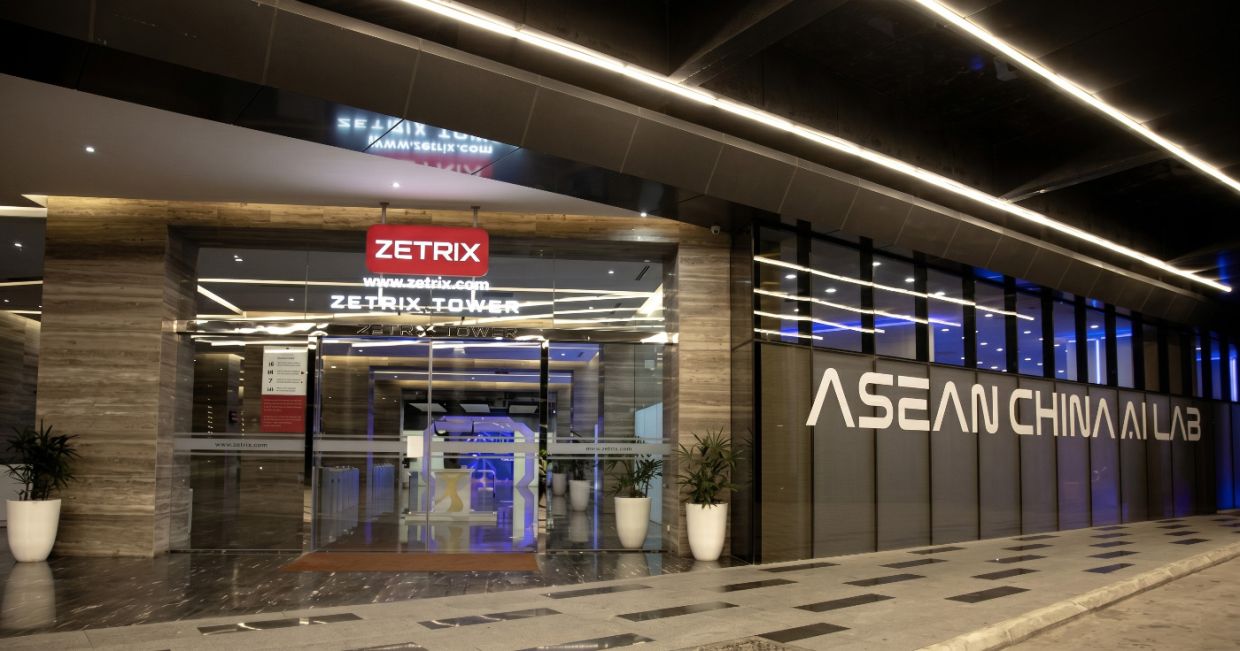
The technology company Zetrix AI Bhd has moved swiftly to extinguish speculation linking it to the corruption case against former Human Resources Minister Datuk Seri M. Saravanan, issuing a detailed clarification to stock exchange authorities after its share price experienced a precipitous fall that alarmed investors and prompted scrutiny from market regulators.
In a formal response to an unusual market activity query lodged by Bursa Malaysia Securities Bhd, the company categorically stated that it bore no connection whatsoever to the three charges of gratification filed against Saravanan at the Sessions Court on August 28, which centre on his administrative decisions regarding the allocation of foreign worker quotas. The company's statement underscores the volatile nature of equity markets in Malaysia, where rumour and speculation can rapidly translate into panic selling, particularly among retail investors seeking to exit positions during periods of uncertainty.
Zetrix AI's management acknowledged that unfounded whispers circulating in the investment community may have precipitated the unusual trading activity that engulfed the stock on Friday, when it experienced a limit-down movement. The company's clarification reveals the challenge facing mid-cap firms in managing their reputational standing when external events—such as prominent political figures facing legal jeopardy—become erroneously connected to their operations through gossip and misunderstanding. This phenomenon is not uncommon in Malaysian capital markets, where information asymmetries and retail investor susceptibility to hearsay can occasionally drive price movements disconnected from fundamental business considerations.
Conducting a thorough internal review encompassing its board of directors, principal shareholders, and other stakeholders with direct knowledge of company operations, Zetrix AI further confirmed the complete absence of any undisclosed corporate developments, whether actively progressing or still in preliminary negotiation phases, that might logically account for the extreme volatility witnessed in trading. This assertion carries particular significance in Malaysia's regulatory environment, where listed companies face strict obligations to disclose material information promptly, and any suggestion of deliberate non-disclosure could trigger investigations by the Securities Commission Malaysia and potential sanctions.
The company's statement notably stresses that, beyond addressing the speculative chatter regarding Saravanan's legal predicament, management identified no alternative explanation for the dramatic selling pressure. This creates an unusual situation wherein the entire market movement appears attributable to misunderstanding and rumour rather than any genuine deterioration in the firm's business prospects, financial condition, or strategic positioning. For Malaysian investors accustomed to following technology stocks, such disconnects between valuation movements and operational reality occasionally offer contrarian opportunities, though they equally underscore the importance of fundamental research and scepticism toward market-driven narratives.
The magnitude of the share price collapse—plummeting 30 sen, representing a loss of 50.4% of the previous close, to settle at 29.5 sen—attracted substantial trading volume of approximately 1.05 billion shares, signalling that this was far from a thin-volume technical breakdown but rather reflected genuine panic liquidation across the shareholder base. The limit-down halt mechanism, while preventing further deterioration in a single trading session, leaves investors facing potential additional selling pressure when the market reopens, as those unable to exit at Friday's close attempt to reduce their positions.
Saravanan's legal difficulties stem from allegations that he approved enhanced foreign worker quotas for particular enterprises, raising questions about whether these approvals were influenced by improper considerations. The charges represent a notable development in Malaysia's ongoing efforts to strengthen anti-corruption enforcement, reflecting the Malaysian Anti-Corruption Commission's proactive investigative work. However, the connection between these allegations and a relatively obscure technology company appears to have been purely circumstantial, possibly reflecting confusion among investors or deliberate market manipulation by traders seeking to exploit volatility.
The Zetrix AI situation illuminates broader challenges confronting Malaysia's capital markets infrastructure. While the stock exchange's requirement that companies respond to unusual market activity queries is appropriate and necessary, it places legitimate businesses in the difficult position of having to publicly address rumours and speculation that may already have caused substantial shareholder losses. For Zetrix AI, the damage to stock price—however temporary—represents real economic loss for shareholders, even if the underlying business remains fundamentally sound.
Going forward, investors monitoring Zetrix AI should carefully distinguish between the company's actual commercial prospects and the noise generated by random market gossip. The firm's comprehensive denial and subsequent regulatory clarification suggest that informed shareholders should consider whether Friday's collapse represents a genuine valuation opportunity or whether additional negative factors remain undisclosed. In Malaysian markets, where information quality and transparency remain works in progress, exercising appropriate due diligence before making investment decisions remains essential.

