%22%2F%3E%3C%2Fpattern%3E%3C%2Fdefs%3E%3Crect%20width%3D%22100%25%22%20height%3D%22100%25%22%20fill%3D%22url(%23ph2538fg)%22%2F%3E%3Crect%20width%3D%22100%25%22%20height%3D%22100%25%22%20fill%3D%22url(%23ph2538fp)%22%2F%3E%3Ctext%20x%3D%2250%25%22%20y%3D%2250%25%22%20text-anchor%3D%22middle%22%20dominant-baseline%3D%22central%22%20fill%3D%22rgba(255%2C255%2C255%2C0.95)%22%20font-family%3D%22Georgia%2C%20'Times%20New%20Roman'%2C%20serif%22%20font-weight%3D%22700%22%20font-size%3D%22272%22%20letter-spacing%3D%22-0.02em%22%3EAnwar%3C%2Ftext%3E%3C%2Fsvg%3E)
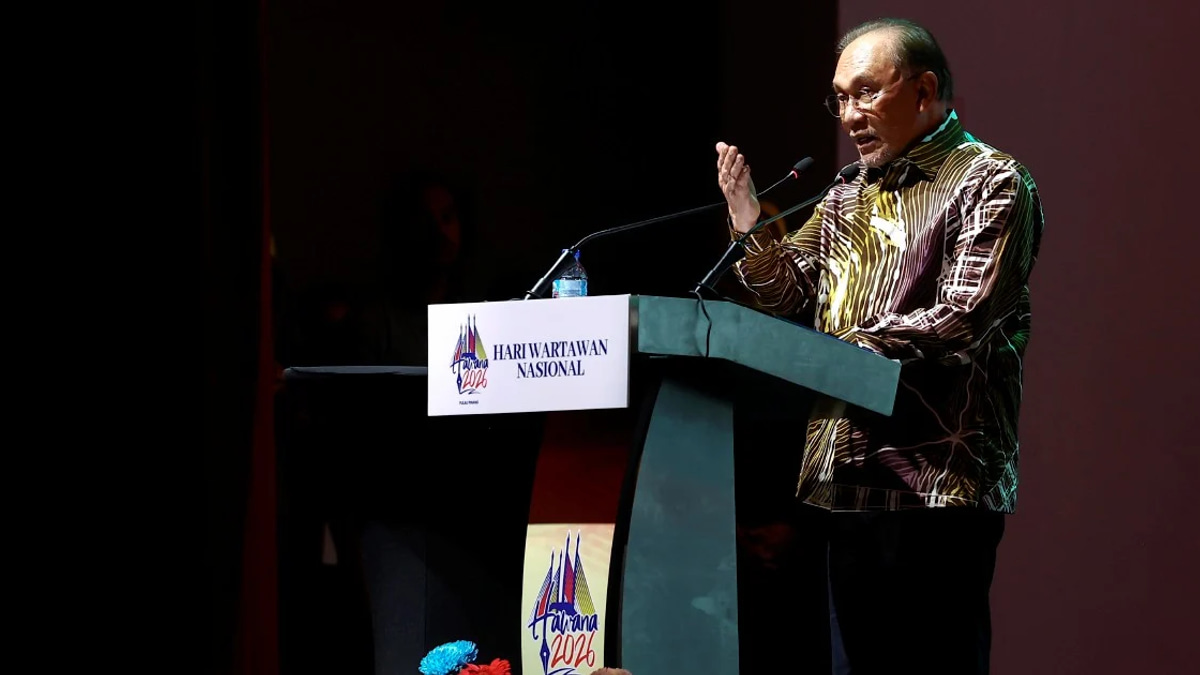
Prime Minister Datuk Seri Anwar Ibrahim's recent diplomatic missions to Russia and Turkmenistan have underscored an often-overlooked dimension of Malaysia's foreign policy: the strategic value of executive-level personal relationships in advancing national interests. The visits, undertaken during a period of heightened global geopolitical realignment, revealed how the Prime Minister's communication style and interpersonal effectiveness have become tangible assets in bilateral negotiations and relationship-building, distinguishing Malaysia's approach from more transactional diplomatic models common in the region.
During his time in Russia, Anwar sought to reaffirm Malaysia's commitment to maintaining pragmatic engagement with Moscow despite international tensions surrounding Russia's actions in Ukraine. The visit represented a careful balancing act for Malaysia, which has historically positioned itself as a non-aligned nation seeking to preserve relationships across multiple geopolitical camps. By engaging directly with Russian leadership through high-level talks, Anwar signalled that Malaysia continues to value dialogue and mutual respect as foundational principles in international relations, even when global consensus fractures on contentious issues.
The Turkmenistan component of the diplomatic journey held particular significance for Southeast Asian interests in Central Asia. Turkmenistan, a nation rich in hydrocarbon resources and positioned at critical crossroads between Europe, Asia, and the Middle East, represents an emerging frontier for Malaysian business and investment. Anwar's direct engagement with Turkmen officials served to elevate Malaysia's profile within Central Asian circles, a region where Malaysian diplomatic presence has historically been modest compared to larger regional powers or Western nations.
Personal diplomacy of this nature operates on principles distinct from formal bureaucratic channels. When senior leaders engage directly, they can establish rapport, clarify intentions without the filters of intermediaries, and forge personal commitments that transcend written agreements. Anwar's reputation as an articulate communicator with demonstrated interest in Islamic scholarship, governance philosophy, and economic development creates common ground with leaders across diverse political systems. This intellectual engagement distinguishes his approach from diplomacy focused purely on transactional outcomes.
For Malaysia specifically, cultivating relationships with non-traditional partners carries strategic weight. As a mid-sized economy in a region increasingly influenced by great-power competition, Malaysia benefits from maintaining multiple partnerships rather than defaulting to alignment with any single bloc. The Russia and Turkmenistan visits reinforce Malaysia's identity as a bridge-builder capable of dialogue with parties that others in the Western-aligned camp may find difficult to approach. This positioning enhances Malaysia's relevance in multilateral forums and provides leverage in regional negotiations.
Anwar's visits also reflected Malaysia's diversification efforts beyond traditional trading partners. Russia, despite international sanctions, remains a significant global actor with whom Malaysia maintains commercial interests spanning energy, technology, and institutional exchanges. Turkmenistan's natural gas reserves and geographic position make it increasingly relevant to Asian energy security discussions. These visits signal to both nations that Malaysia views them as long-term partners worthy of high-level attention, a message that resonates more powerfully when delivered by the head of government rather than through diplomatic intermediaries.
The diplomatic missions took place within the context of Malaysia's broader foreign policy framework emphasizing economic cooperation, cultural exchange, and mutual respect for sovereignty. These principles, consistently articulated by Anwar in international forums, create a coherent narrative that appeals to leaders seeking engagement without external pressure or conditionality. The Prime Minister's emphasis on win-win outcomes and non-interference in internal affairs aligns with how many non-Western nations prefer to conduct international relations.
From a Southeast Asian perspective, Anwar's active engagement in Central Asia and beyond benefits the broader region by advancing ASEAN interests in these areas. Malaysia's diplomatic efforts help open doors and establish frameworks that other Southeast Asian nations can subsequently leverage. When one ASEAN member demonstrates sustained interest in a particular region or partner, it often encourages expanded engagement by other ASEAN states, amplifying regional influence and creating new economic opportunities for the bloc.
The sustainability of relationships built primarily on personal charisma does raise questions about institutional depth. Diplomatic ties that depend heavily on individual leaders can prove fragile when leadership changes occur. Recognising this, contemporary Malaysian diplomacy has worked to embed personal relationships within institutional frameworks, including bilateral agreements, trade arrangements, and cultural exchange programs that persist beyond individual tenures. The Russia and Turkmenistan visits likely included discussions of such formal mechanisms, ensuring that personal goodwill translates into durable institutional relationships.
The visits also carried domestic political implications for Malaysia. Demonstrating active engagement on the world stage, particularly with major powers and emerging economies, reinforces Anwar's positioning as a national leader of international stature. This visibility enhances domestic confidence in Malaysia's diplomatic capacity and the government's ability to secure advantageous positions in global affairs. For a government navigating complex domestic political dynamics, successful foreign policy engagement provides tangible evidence of effective governance.
Looking forward, the diplomatic groundwork laid during these visits will likely bear fruit across multiple dimensions. Whether through enhanced trade relations, increased investment flows, improved educational and cultural exchanges, or greater coordination in multilateral forums, the personal relationships established through direct executive engagement tend to generate downstream benefits that benefit both nations. For Malaysia, these benefits extend beyond bilateral relations to influence the nation's standing within its immediate regional environment and the broader Asian strategic landscape, where relationships of trust and demonstrated commitment carry considerable weight in determining partnership outcomes and policy coordination.