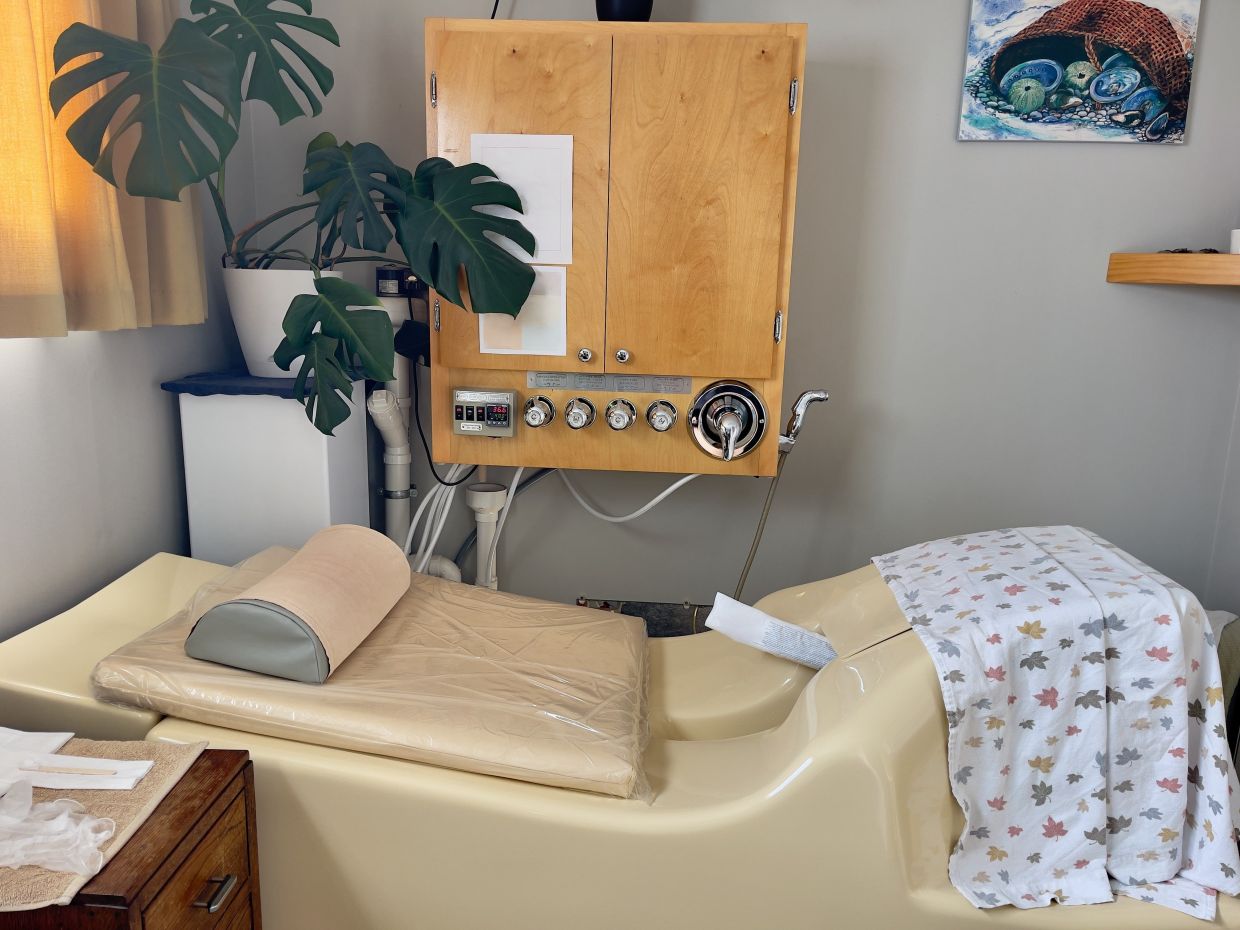
Police in Beijing have dismantled an elaborate fraud operation targeting vulnerable elderly residents, with more than 30 suspects arrested in connection with a scheme that defrauded over 100 seniors of approximately 10 million yuan (US$1.5 million). The scam centred on a health centre that employed deceptive intestinal cleansing treatments, where staff deliberately mixed dark soy sauce into cleansing liquids to convince patients they were expelling dangerous toxins from their bodies. The illicit operation demonstrates how sophisticated criminal networks have become in exploiting the elderly across major Chinese cities.
The investigation gained momentum after the family of a woman in her 60s, identified as Li, uncovered the extent of her spending at the health centre. Over an extended period, Li had spent approximately 700,000 yuan (US$103,000) at the facility, purchasing multiple sessions of expensive treatments costing tens of thousands of yuan each. The discovery prompted relatives to report the centre to authorities, triggering a broader investigation that ultimately revealed the scope of the criminal enterprise operating across multiple districts in Beijing.
What began as an innocuous transaction proved to be the entry point into a carefully orchestrated trap. Li initially visited the health centre seeking a basic foot massage voucher priced at just 38 yuan (US$6). Staff members demonstrated exceptional attentiveness and warmth during these early interactions, meticulously noting personal details such as birthdays to cultivate an illusion of genuine care and concern. This calculated approach proved effective because it addressed a deeper psychological vulnerability among many elderly residents who felt undervalued by their own families.
Police investigations revealed that the operation employed sophisticated targeting strategies to identify and recruit victims. Staff members actively recruited elderly individuals at senior centres and other gathering places where affluent retirees congregated, offering complimentary consultations with purported medical experts. The enterprise deliberately focused on seniors experiencing emotional isolation—particularly those living alone or estranged from adult children despite having family—recognising that loneliness often undermined rational decision-making. This predatory approach transformed the health centre into a pseudo-family environment where vulnerable individuals felt genuinely cared for, even as they were systematically exploited.
The core deception involved fraudulent intestinal cleansing procedures designed to fabricate medical crises. Fake medical experts would diagnose non-existent conditions and prescribe extended treatment courses, claiming that only prolonged therapy could manage these purported ailments. During the cleansing procedures, staff would add dark soy sauce—a common cooking ingredient used for food colouration—to the liquid waste, creating visual evidence that seemingly validated the fraudulent diagnosis of severe intestinal toxicity. The physiological basis for the deception exploited seniors' limited medical literacy and their tendency to trust authority figures presenting themselves as healthcare professionals.
The financial exploitation escalated ruthlessly as victims became more invested in their treatment. In one documented case, a patient spent over 2 million yuan (US$295,000) at the facility. When victims encountered financial constraints and considered discontinuing treatment, staff members employed emotional manipulation and high-pressure tactics. In Li's case, when her funds depleted, staff members pressured her to pawn valuable personal assets, including a gold bracelet, with the callous justification that material possessions held no value compared to recovering her health.
The scale of the criminal enterprise proved substantially larger than initial investigations suggested. Police determined that the health centre network comprised over 20 establishments masquerading as legitimate healthcare facilities distributed across multiple Beijing districts. The aggregate turnover across these operations reached approximately 30 million yuan (US$4.5 million), far exceeding the typical revenue for legitimate wellness facilities of similar size. This abnormally high income provided critical evidence of systematic fraud rather than occasional unethical practices.
The vulnerability of China's elderly population to such exploitation reflects profound demographic and social shifts. By the conclusion of 2025, China's population aged 60 and above reached 323 million individuals, comprising 23 per cent of the total population. Among this cohort, approximately 60 per cent were classified as empty-nesters, meaning they either lacked adult children or had children living in geographically distant locations. This demographic reality creates an enormous pool of potential victims experiencing isolation, limited family oversight, and genuine health anxieties associated with ageing.
The scam's existence underscores the inadequacy of current regulatory frameworks governing the wellness and alternative health industry in China. Online observers have highlighted that numerous similar health centres continue operating with minimal oversight, using free promotional gifts and false medical credentials to attract and trap elderly residents. The proliferation of such schemes suggests that formal enforcement mechanisms remain insufficient to protect vulnerable populations from sophisticated criminal operations that exploit emotional needs alongside medical gullibility.
For Malaysian and Southeast Asian policymakers, this case provides cautionary insight into emerging fraud patterns targeting ageing populations across the region. As countries throughout Southeast Asia experience accelerating demographic ageing and increasing rates of family separation due to urbanisation and migration, conditions favouring similar exploitation schemes are intensifying. Many Southeast Asian seniors face comparable vulnerabilities—language barriers when seeking medical information, limited digital literacy, emotional isolation amid rapid social change, and desperation to address health concerns in the absence of reliable family support systems.
The Beijing case demonstrates that distinguishing between legitimate wellness services and fraudulent operations requires sustained regulatory vigilance and public education. Authorities in Malaysia and neighbouring countries should consider implementing stricter licensing requirements for health and wellness centres, establishing transparent complaint mechanisms, and conducting regular facility inspections. Equally important is community-level intervention, including training programmes targeting family members and social workers to recognise warning signs of elderly exploitation, and developing accessible health information resources that reduce vulnerability to medical misinformation.
%22%2F%3E%3C%2Fpattern%3E%3C%2Fdefs%3E%3Crect%20width%3D%22100%25%22%20height%3D%22100%25%22%20fill%3D%22url(%23ph5vj8xg)%22%2F%3E%3Crect%20width%3D%22100%25%22%20height%3D%22100%25%22%20fill%3D%22url(%23ph5vj8xp)%22%2F%3E%3Ctext%20x%3D%2250%25%22%20y%3D%2250%25%22%20text-anchor%3D%22middle%22%20dominant-baseline%3D%22central%22%20fill%3D%22rgba(255%2C255%2C255%2C0.95)%22%20font-family%3D%22Georgia%2C%20'Times%20New%20Roman'%2C%20serif%22%20font-weight%3D%22700%22%20font-size%3D%22136%22%20letter-spacing%3D%22-0.02em%22%3EEx-Federal%3C%2Ftext%3E%3C%2Fsvg%3E)

%22%2F%3E%3C%2Fpattern%3E%3C%2Fdefs%3E%3Crect%20width%3D%22100%25%22%20height%3D%22100%25%22%20fill%3D%22url(%23phc4y2g)%22%2F%3E%3Crect%20width%3D%22100%25%22%20height%3D%22100%25%22%20fill%3D%22url(%23phc4y2p)%22%2F%3E%3Ctext%20x%3D%2250%25%22%20y%3D%2250%25%22%20text-anchor%3D%22middle%22%20dominant-baseline%3D%22central%22%20fill%3D%22rgba(255%2C255%2C255%2C0.95)%22%20font-family%3D%22Georgia%2C%20'Times%20New%20Roman'%2C%20serif%22%20font-weight%3D%22700%22%20font-size%3D%22272%22%20letter-spacing%3D%22-0.02em%22%3EMedia%3C%2Ftext%3E%3C%2Fsvg%3E)