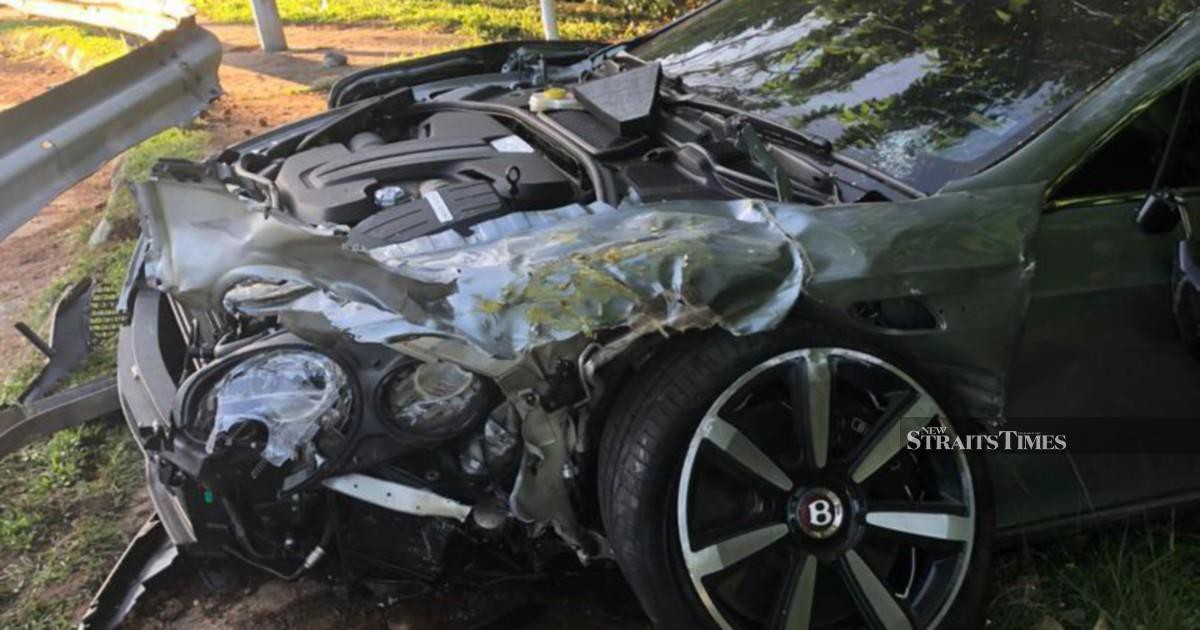
The Court of Appeal in Putrajaya has affirmed a High Court judgment requiring an insurance company to compensate a businessman with RM900,000 following damage sustained by his Bentley Continental GTS V6 MDS in a vehicular accident dating back six years. The appellate court's decision represents a significant reaffirmation of liability determinations in high-value motor insurance disputes and underscores the judiciary's commitment to enforcing insurer obligations under established policy frameworks.
The underlying accident occurred during a period when luxury vehicle ownership in Malaysia remained concentrated among high-net-worth individuals and business elites. The Bentley Continental GTS, a premium-segment convertible retailing well above RM1 million, represents the type of specialized asset that generates substantial claims when damaged. The claimant's vehicle, specifically equipped with a V6 MDS variant, would have warranted equally specialized repair requirements and parts procurement, factors that invariably inflate restoration costs beyond standard estimates.
Insurance liability disputes involving luxury vehicles have become increasingly complex within Malaysia's judicial landscape, particularly as claim values escalate and repair methodologies grow more sophisticated. The six-year timeline between the accident and final appellate resolution reflects the protracted nature of high-stakes insurance litigation, where evidentiary standards, damage assessment procedures, and policy interpretation frequently generate prolonged deliberations across multiple court levels. This extended process underscores why motor insurance claimants often face substantial delays in receiving settlements, particularly when insurer defenses challenge liability or quantum determinations.
The High Court's original decision necessarily required detailed examination of damage valuations, repair cost projections, and policy coverage terms. Insurance companies commonly contest substantial claims by questioning whether damage assessments align with market repair rates or whether specific repair methodologies fall within policy specifications. The fact that the appellate court maintained the RM900,000 figure suggests the evidence supporting the damages claim withstood rigorous judicial scrutiny across multiple litigation stages. For the business community and vehicle owners maintaining expensive assets, this judgment provides reassurance that courts will enforce reasonable compensation frameworks when properly substantiated.
The insurance sector in Malaysia operates within a regulatory environment where claim dispute resolution represents a critical concern for both underwriters and policyholders. While Malaysia's Insurance Commission provides alternative dispute mechanisms, protracted litigation remains common for high-value claims where factual disputes preclude expedited resolution. The appellate confirmation of this RM900,000 payout reflects jurisprudential consistency, suggesting courts will uphold damage assessments that demonstrably correspond with actual repair costs and industry-standard valuation methodologies.
Luxury vehicle ownership in Southeast Asia has expanded substantially over recent decades, with high-value motor insurance claims becoming increasingly prevalent across the region. This case carries significance beyond the individual litigants involved, as it establishes practical precedent for how Malaysian courts evaluate complex damage assessments in specialized vehicle categories. Insurers nationwide will likely adjust claims management protocols in response, potentially implementing more rigorous initial assessments to prevent subsequent litigation challenges.
The timeline spanning from accident occurrence through final appellate judgment—approximately six years—reflects both the complexity of damage quantification in premium vehicle cases and the incremental pace of Malaysian litigation. During this extended period, the businessman remained uncompensated for losses arising from an insured incident, illustrating the financial burden that protracted dispute resolution imposes on claimants. The eventual affirmation validates his position while highlighting systemic challenges within the motor insurance claims process.
Beyond the immediate parties, this judgment carries implications for Malaysia's insurance regulatory framework and claims practices more broadly. Insurers managing substantial claims face heightened incentives to conduct thorough initial assessments rather than contest payments that courts subsequently verify as reasonable. The Court of Appeal's affirmation signals judicial willingness to enforce insurer obligations comprehensively, particularly when damage claims stem from specialized vehicles requiring precision repair methodologies. For policyholders, particularly those maintaining high-value assets, the decision reinforces that properly documented claims will generally receive judicial protection regardless of settlement resistance from insurers.
The competitive insurance market in Malaysia will likely absorb the implications of this judgment through adjusted underwriting practices and claims administration protocols. Insurers increasingly recognize that defending marginal positions on high-value claims generates litigation costs exceeding settlement expenses, a calculation that informs rational claims management strategies. The appellate court's confirmation of the RM900,000 payout demonstrates that comprehensive damage documentation and professional repair cost substantiation constitute persuasive evidentiary foundations that courts will consistently uphold.
Motor insurance claims involving premium vehicles typically involve technical complexity that distinguishes them from standard claims processing. The Bentley Continental GTS, as a specialized British-manufactured vehicle, requires technical expertise in assessing damage and determining appropriate repair methodologies. This specialization introduces assessment challenges that general claims practitioners may inadequately address, potentially explaining why the original dispute persisted through multiple litigation stages. The appellate affirmation suggests that courts will rigorously scrutinize expert assessments in such cases, protecting claimants who invest in proper documentation and professional valuation services.
Moving forward, this judgment may catalyze industry-wide reforms in how motor insurance claims involving premium vehicles undergo initial assessment and valuation. The Court of Appeal's decision provides a clear signal that Malaysian courts will enforce reasonable damage assessments while holding insurers accountable for obligations undertaken through issued policies. For the broader business community, particularly entrepreneurs maintaining valuable asset portfolios, the ruling reinforces the importance of comprehensive insurance coverage and meticulous documentation when incidents occur. The decision also underscores why claimants should consider engaging specialized assessors capable of providing detailed technical documentation that withstands subsequent litigation challenges.

