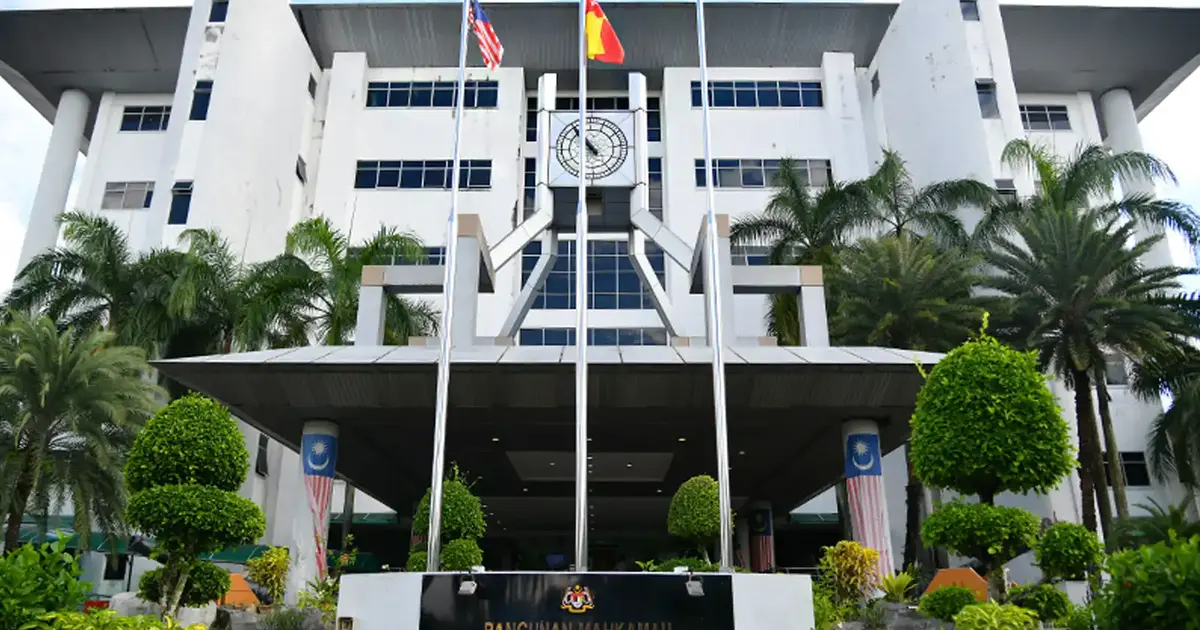
A High Court judge in Shah Alam has determined that the prosecution has established sufficient grounds to proceed against a 15-year-old boy accused in a fatal incident at a Bandar Utama school, ordering the teenager to present his defence in the case. Justice Adlin Abd Majid, after reviewing evidence presented during the prosecution's case, found that the material adduced was adequate to support the charge and meet the threshold required at this stage of proceedings.
The ruling marks a significant juncture in what has become one of the more sensitive criminal cases involving a juvenile defendant in the Klang Valley. The judge's decision to call upon the accused to mount a defence means the prosecution successfully demonstrated a prima facie case—the legal standard requiring prosecutors to show enough credible evidence that, if accepted, would prove guilt. This determination compels the defence team to present their version of events and counter the state's allegations through testimony and evidence of their own.
Cases involving young offenders typically attract heightened judicial scrutiny in Malaysia, particularly when they concern allegations of serious violence. The legal framework governing such proceedings balances accountability with the rehabilitation principles embedded in the Child Act, which seeks to treat juvenile offenders differently from adults. At this stage, the teenager faces the burden of responding to the prosecution's case rather than merely remaining passive during the state's presentation.
The circumstances surrounding the alleged incident at the Bandar Utama educational institution have drawn considerable public attention, reflecting broader concerns about school safety and youth violence in urban communities. The incident occurred within an institutional setting where authorities and parents rightfully expect secure environments for learning. The court's progression to the defence stage indicates the judicial system has moved past preliminary examinations and preliminary inquiry phases, now entering the substantive trial proceedings where both sides will present comprehensive arguments and evidence.
For the teenager's defence team, the challenge ahead involves challenging the prosecution's narrative through cross-examination of witnesses, presenting expert testimony if applicable, and potentially calling the accused and character witnesses to testify on his behalf. The defence may also argue mitigating circumstances, psychological factors, or inconsistencies in the prosecution's evidence. Given the severity of the allegations and the youth of the defendant, psychological and psychiatric assessments may feature prominently in determining culpability and sentencing recommendations should conviction occur.
The High Court's decision reflects a careful assessment of the evidence's strength and reliability. While establishing a prima facie case does not determine guilt—that remains for the court to decide at the conclusion of the entire trial—it does indicate that the prosecution cleared a meaningful evidentiary hurdle. Malaysian courts employ rigorous standards for this determination, examining witness credibility, documentary evidence, forensic findings where applicable, and circumstantial indicators that collectively paint a picture of culpability.
The case also illuminates ongoing discussions about juvenile justice in Malaysia. Stakeholders including educational institutions, law enforcement, and child welfare advocates have increasingly emphasized the importance of preventative programmes, mental health support in schools, and conflict resolution mechanisms that might address underlying issues before they escalate to violence. This particular case may prompt further examination of such protective measures within institutional settings across the Klang Valley and beyond.
As the defence proceeds, the accused's age remains a critical factor throughout subsequent proceedings. Malaysian law provides distinct protections and considerations for minors in the justice system, including possibilities for rehabilitation-focused sentencing, community service orders, or detention in juvenile facilities rather than conventional prisons, depending on conviction and judicial discretion. The teenager's background, family circumstances, school performance, and psychological profile will likely feature extensively in mitigation submissions should the trial reach sentencing.
The High Court's ruling represents the culmination of the prosecution's opportunity to present its case without interruption. Now the burden shifts significantly to the defence, which must demonstrate reasonable doubt or present alternative explanations for the alleged events. The court will observe how effectively both sides present their arguments, the quality of witness testimony under cross-examination, and whether documentary or forensic evidence withstands scrutiny during the defence phase of proceedings.
Procedurally, Malaysian criminal trials involving juveniles at the High Court level follow structured formats allowing both the state and defence comprehensive opportunities to present evidence. The defence's opening statement, if made, will provide the court with the defendant's perspective on proceedings and set the framework for the evidence the defence intends to present. Following the defence's case-in-chief, the prosecution retains rights of reply in certain circumstances, after which closing arguments from both sides will precede the judge's decision.
The outcome of this high-profile case may carry implications beyond the immediate parties involved. Judicial reasoning, findings, and sentencing—if conviction results—could influence how courts approach similar cases and establish precedent for balancing juvenile accountability with rehabilitation objectives. The case also serves as a reminder of the complexities facing Malaysian schools, parents, and communities in safeguarding young people while supporting those who may struggle behaviorally or emotionally within educational environments.

