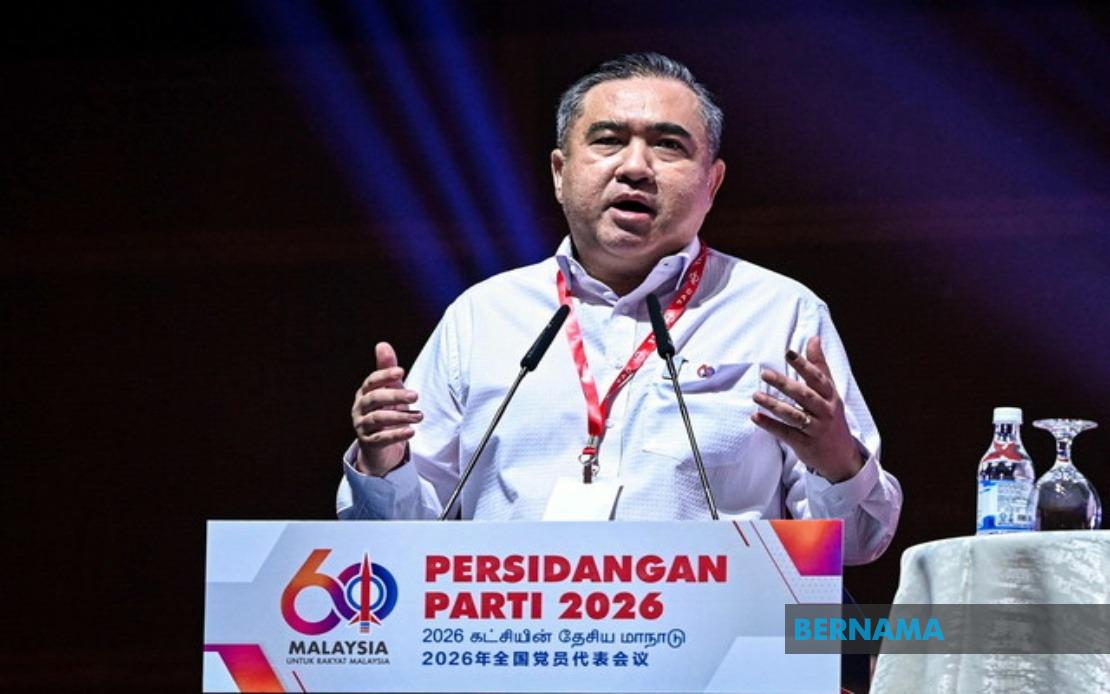
The Democratic Action Party has endorsed the government's proposal to repeal the Universities and University Colleges Act (AUKU) 1971, with party secretary-general Anthony Loke framing the decision as part of a broader commitment to substantive governance and national transformation rather than mere political incumbency. Speaking at the DAP 2026 National Conference in Putrajaya, Loke positioned the party's support within a larger narrative of progressive reform, emphasizing that DAP's participation in government serves a purpose beyond maintaining power.
Prime Minister Datuk Seri Anwar Ibrahim unveiled the repeal plan during the PKR 2026 National Congress, citing extensive consultation with student leaders who have submitted memoranda and formal representations requesting comprehensive legislative overhaul. The Cabinet is scheduled to deliberate on this proposal the following Wednesday, signalling administrative momentum behind the initiative. This development represents a watershed moment for campus politics in Malaysia, where AUKU has functioned as a regulatory framework governing student conduct and political participation for more than five decades.
The 1971 legislation has undergone seven amendments across its lifespan, reflecting evolving social attitudes and pressure from student movements. A particularly significant modification occurred in 2012, when restrictions preventing students from participating in political party activities were substantially relaxed, permitting engagement beyond campus boundaries. This incremental liberalization process continued into 2024 with amendments addressing the disciplinary architecture of public universities, transferring decision-making authority from vice-chancellors to newly established Student Disciplinary Committees.
The most recent modifications have also expanded financial autonomy for student representative bodies. Student Representative Councils and allied student organizations gained the capacity to solicit and receive monetary contributions through diverse mechanisms, provided such activities comply with relevant regulations and statutory requirements. These amendments demonstrate legislative responsiveness to persistent demands for greater student agency, yet critics contend that a comprehensive repeal would more effectively address the act's underlying restrictions on freedom of expression and association.
DAP's support carries particular significance given the party's long-standing advocacy within opposition ranks for dismantling what it characterized as an archaic instrument of authoritarian governance. Loke's remarks at the Putrajaya International Convention Centre extended beyond mere endorsement of the AUKU repeal, explicitly calling for the government to extend reform momentum to additional policy areas. The party chairman specifically highlighted equal access to higher education irrespective of racial background as a complementary priority, suggesting that the AUKU decision represents merely the opening move in a more expansive transformation agenda.
For Malaysian students and observers of campus politics, the proposed repeal signals potential liberation from regulatory constraints that have historically limited their organizational capacity and political expression. University campuses, particularly at public institutions, have functioned under stricter controls compared to their regional counterparts, with students frequently prosecuted under AUKU provisions for activities considered routine in neighbouring democracies. The removal of these statutory barriers could fundamentally alter campus discourse and student engagement patterns across the country.
The timing of this announcement reflects broader political dynamics within the current governing coalition. Anwar's decision to champion this reform demonstrates responsiveness to civil society demands and positions the government as progressively minded, particularly important given persistent criticisms regarding democratic governance and civil liberties. For DAP, formal government support for long-held party positions validates its years of advocacy and provides tangible evidence of policy influence within the coalition framework.
Regionally, Malaysia's move toward liberalizing university regulations aligns with evolving international standards regarding student rights and academic freedom. Many neighbouring nations have progressively expanded student participation in governance structures and political activities. Thailand, Indonesia, and the Philippines have experienced robust campus political movements with varying legal frameworks, though Malaysia's historically restrictive approach has drawn international human rights commentary. The repeal would position Malaysian higher education within more contemporary regional norms.
Lok's broader reference to ensuring equal higher education access for all Malaysians regardless of ethnicity signals DAP's intention to leverage current government composition for addressing systemic inequalities in educational opportunity. This connects to longstanding concerns regarding affirmative action policies and their effects on non-Bumiputera students seeking tertiary qualification pathways. Whether such ambitions materialize depends on navigating coalition consensus and potentially overcoming resistance from other governing partners with differing perspectives on meritocratic versus communitarian approaches to educational allocation.
The practical implications of AUKU repeal remain subject to further legislative clarification. Student organizers will require clarity on which specific prohibitions disappear entirely and which regulatory frameworks, if any, persist under alternative legislation. Universities themselves will need guidance regarding their residual disciplinary authority and the extent to which student-led initiatives can operate independently. These implementation details will ultimately determine whether the repeal constitutes genuine emancipation or merely symbolic reform.
Civil society organizations and student unions have already commenced preparing detailed transition proposals, anticipating Cabinet approval within the coming weeks. Universities have begun internal consultations regarding governance adjustments and student conduct policies in an AUKU-free environment. This preparatory activity suggests confidence in legislative passage while highlighting the technical complexity inherent in dismantling fifty-plus years of regulatory architecture.
For the broader coalition government, demonstrating delivery on contentious reform commitments proves politically essential given perennial tensions regarding cohesion and divergent ideological commitments among alliance partners. AUKU repeal represents tangible progress on a widely recognized grievance, potentially generating public goodwill and reinforcing government claims regarding transformational intent. Conversely, implementation delays or partial measures could provoke student disappointment and undermine credibility regarding reform sincerity.
The proposed repeal ultimately reflects accumulated pressure from multiple electoral cycles wherein campus politics and student freedoms emerged as organizing issues for younger voters. By moving decisively on this file, the government simultaneously addresses youth concerns, honors commitments made during coalition negotiations, and positions itself favorably relative to democratic governance aspirations. Whether subsequent reforms materialize at the pace DAP envisions remains contingent on ongoing coalition dynamics and competing policy priorities.

