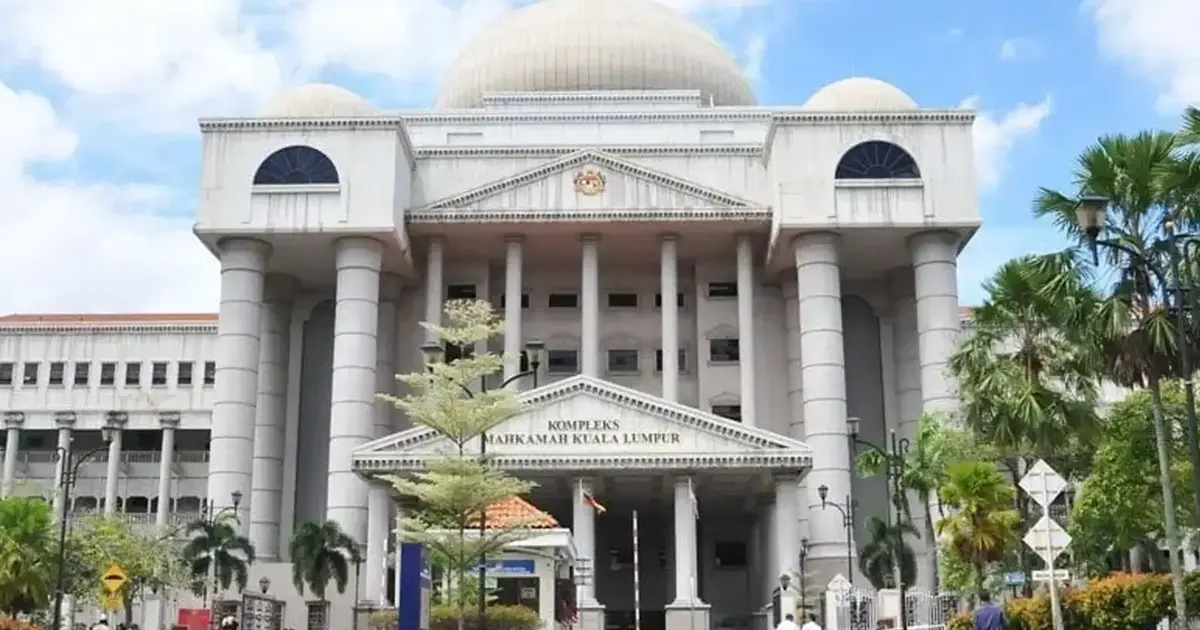
A High Court has awarded RM400,000 in damages to businessman Yeoh Ee Seong in his defamation suit against Sin Chew Media Corporation Bhd, the publisher of a major Chinese-language daily newspaper. The judgment marks a significant win for the plaintiff, who challenged the media company's reporting that he alleged implicated him as the orchestrator behind a violent attack on a legal professional.
Yeoh's legal action centred on a news article published by Sin Chew that he contended presented false and damaging allegations about his involvement in the assault incident. The businessman argued that the article's language and framing created an insinuation of criminal complicity, effectively suggesting he was the mastermind directing the violent act. Such assertions, if accepted as truthful by the public, would have substantially harmed his reputation and business interests across Malaysia's commercial and professional communities.
Defamation cases in Malaysia's civil courts require claimants to demonstrate that published material has caused injury to reputation by communicating false statements to a third party. The High Court's decision to award damages at this magnitude indicates the judge accepted Yeoh's evidence that the report was indeed defamatory and that Sin Chew Media failed to substantiate the implications made against him. The quantum of RM400,000 reflects the court's assessment of the harm caused through the publication's circulation to Sin Chew's substantial readership.
This ruling carries implications for media accountability in Malaysia, where the balance between press freedom and individual protection from false allegations remains a live issue. Chinese-language publications hold significant reach across Malaysia's substantial ethnic Chinese demographic and among business circles, making the reputational stakes of inaccurate reporting particularly high. The judgment reinforces that media outlets cannot publish insinuations of criminal involvement without adequate evidentiary basis, even through implicit suggestion rather than explicit accusation.
Sin Chew Media Corporation Bhd is among Malaysia's largest newspaper publishers, operating Sin Chew Daily, which maintains one of the country's highest circulation figures among Chinese publications. The company's editorial standards and legal compliance therefore carry weight beyond individual cases, potentially influencing newsroom practices across the industry. This decision may prompt media organisations to tighten verification protocols when reporting on incidents that could implicate individuals in wrongdoing.
The assault incident itself, while not exhaustively detailed in available reporting, served as the factual backdrop for the article in question. The distinction between reporting established facts about an incident and speculating about individuals' involvement in orchestrating it proves legally and ethically crucial. Courts recognise that attributing leadership of a violent crime to someone without proof crosses the boundary from neutral reporting into defamatory assertion.
Yeoh's successful litigation strategy involved demonstrating not merely that the implication was false, but that readers would reasonably understand the article's language as charging him with criminal instigation. Defamation law in Malaysia requires this element of meaning—that the published words would be understood by ordinary reasonable readers as conveying a defamatory imputation. The High Court's acceptance of this argument suggests the article's phrasing crossed that threshold.
The RM400,000 award encompasses compensation for injury to reputation and consequential losses the businessman could demonstrate. Malaysian courts recognise that defamation extends beyond immediate financial loss, encompassing damage to professional standing, business relationships, and personal dignity. The award quantum indicates the judge weighed these broader dimensions rather than narrowly calculating only provable pecuniary harm.
This case unfolds within Malaysia's broader media landscape, where defamation litigation remains a tool through which public figures and private individuals alike seek redress against perceived misreporting. While Malaysia maintains constitutional protections for press freedom, courts have consistently held that such freedom operates within boundaries defined by responsibility, accuracy, and respect for individual rights. The High Court's ruling aligns with this jurisprudential tradition.
For media practitioners and publishers across Southeast Asia, including Malaysia, the judgment underscores the necessity of rigorous fact-checking and source verification, particularly when reports risk implying criminal conduct. The difference between reporting what happened and suggesting who orchestrated an event is not merely semantic—it carries legal consequences. Sin Chew Media's obligation to pay substantial damages reflects recognition that this distinction was breached.
The broader business community in Malaysia may view this ruling as protective of reputation in an environment where media coverage influences public perception and commercial relationships. Entrepreneurs and professionals depend partly on untarnished public standing for maintaining client confidence and partnership arrangements. Courts' willingness to award meaningful damages for defamation thus provides a degree of safeguard against reputationally damaging falsehoods.
Moving forward, the decision may influence how Malaysian media outlets approach reporting on incidents where private individuals could plausibly be connected or implicated. Publishers will likely invest greater care in distinguishing between factual reporting of what occurred and editorial speculation about causation or direction of events. This presumably reflects the court's intent—not to suppress legitimate reporting, but to ensure that insinuations of wrongdoing rest on adequate foundation.
The case also demonstrates that Malaysia's legal system provides accessible remedies for defamation victims through civil courts, offering an alternative to criminal defamation provisions that have attracted international scrutiny regarding press freedom. Through civil litigation, Yeoh secured both vindication and financial redress without invoking criminal law mechanisms, a process that many legal observers consider more compatible with open media environments.

