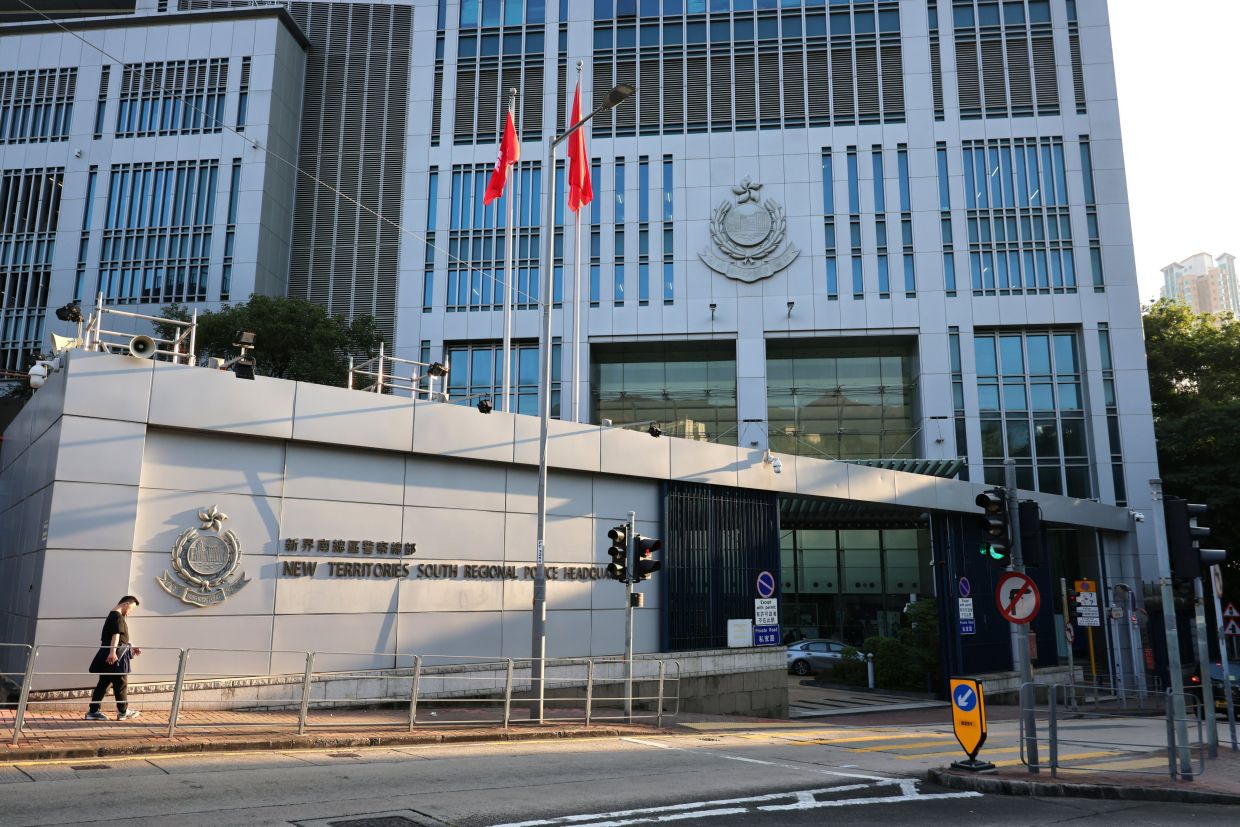
A 32-year-old police officer in Hong Kong has been formally charged with misconduct in public office following allegations that he sent indecent text messages and sexually explicit images to a woman during an unrelated criminal investigation. The officer, attached to the Kwai Tsing police district, was detained on August 20 by officers from the New Territories South regional crime unit, according to a police statement released Thursday.
The incident emerged from what appeared to be a routine investigation into a criminal matter that had begun in May of the previous year. During the course of that investigation, the officer allegedly used personal communications to contact a friend of one of the suspects in the case. Rather than maintaining professional boundaries, he proceeded to send the woman a series of indecent text messages alongside sexually explicit images, behaviour that fundamentally breaches the public trust placed in law enforcement officers and raises serious questions about the misuse of authority.
The woman at the centre of the allegations reported the officer's conduct to police later that same month, initiating what would become a formal investigation into the matter. Her decision to come forward proved crucial in bringing the misconduct to light, as such incidents often go unreported due to power imbalances and concerns about credibility in the criminal justice system. The police's responsive handling of her complaint suggests institutional mechanisms exist to address officer misconduct, though the incident itself highlights vulnerabilities in how investigations are conducted and how personal information is protected.
Following a thorough examination of the circumstances, the New Territories South regional crime unit proceeded with the charge. The officer faces one count of misconduct in public office, a charge that carries significant weight within Hong Kong's regulatory framework for law enforcement conduct. This particular charge is typically reserved for situations where officials abuse their position or act contrary to the duties they have undertaken, making it a serious allegation within the force's disciplinary hierarchy.
The case progressed rapidly through the judicial system. The officer was scheduled to make his first appearance in Sha Tin Court on Friday, where the formal charges would be presented before a magistrate. This swift movement through the courts underscores the gravity with which authorities are treating the matter, as well as their apparent determination to address misconduct allegations transparently.
In response to the incident, the Hong Kong Police Force has suspended the officer from active duty pending the outcome of the court proceedings. This suspension effectively removes him from operational roles and prevents him from exercising the authority of his position while the allegations remain unresolved. Such measures are standard procedure in misconduct cases, serving to protect both the public and the integrity of ongoing investigations.
A police spokesman issued a formal statement emphasising the force's stance on officer conduct standards. The statement stressed that the Hong Kong Police Force places considerable emphasis on maintaining high behavioural standards among its members and will not accept any unlawful actions by officers under any circumstances. This public reaffirmation of institutional values is intended to reassure the public that misconduct will be addressed seriously and without favour, regardless of rank or tenure.
The case carries broader implications for public confidence in Hong Kong law enforcement. Citizens who engage with police during investigations must trust that their personal information will be handled appropriately and that officers will not exploit their access to vulnerable individuals or their associates. When officers breach this trust by using their position to make unsolicited sexual contact with civilians, it undermines the legitimacy of the entire institution and creates a chilling effect on victims' willingness to cooperate with police in future investigations.
For the Southeast Asian region, this incident reflects ongoing challenges facing law enforcement agencies across multiple jurisdictions. Police misconduct involving the abuse of personal information and inappropriate contact with civilians has emerged as a concern in several countries throughout Asia, prompting calls for stronger oversight mechanisms, better training in professional boundaries, and more rigorous vetting during recruitment and promotion. The Hong Kong Police Force's apparent commitment to investigating and prosecuting such conduct may serve as a model for other regional agencies seeking to demonstrate accountability.
The situation also highlights the particular vulnerability of witnesses and associates of suspects during criminal investigations. Their involvement in cases, even tangential involvement, can expose them to abuse of authority by officials who have access to their contact details and personal information. Strengthening protections for individuals during investigations remains an important consideration for police oversight bodies across Asia.
As the case progresses through Hong Kong's courts, it will likely attract significant scrutiny from civil society organisations, legal observers, and the media. The outcome will provide clarity on how seriously the judicial system treats allegations of this nature and what consequences officers face when they violate public trust in this manner. For Malaysia and other regional jurisdictions, developments in this case may inform discussions about police conduct standards and accountability mechanisms.

