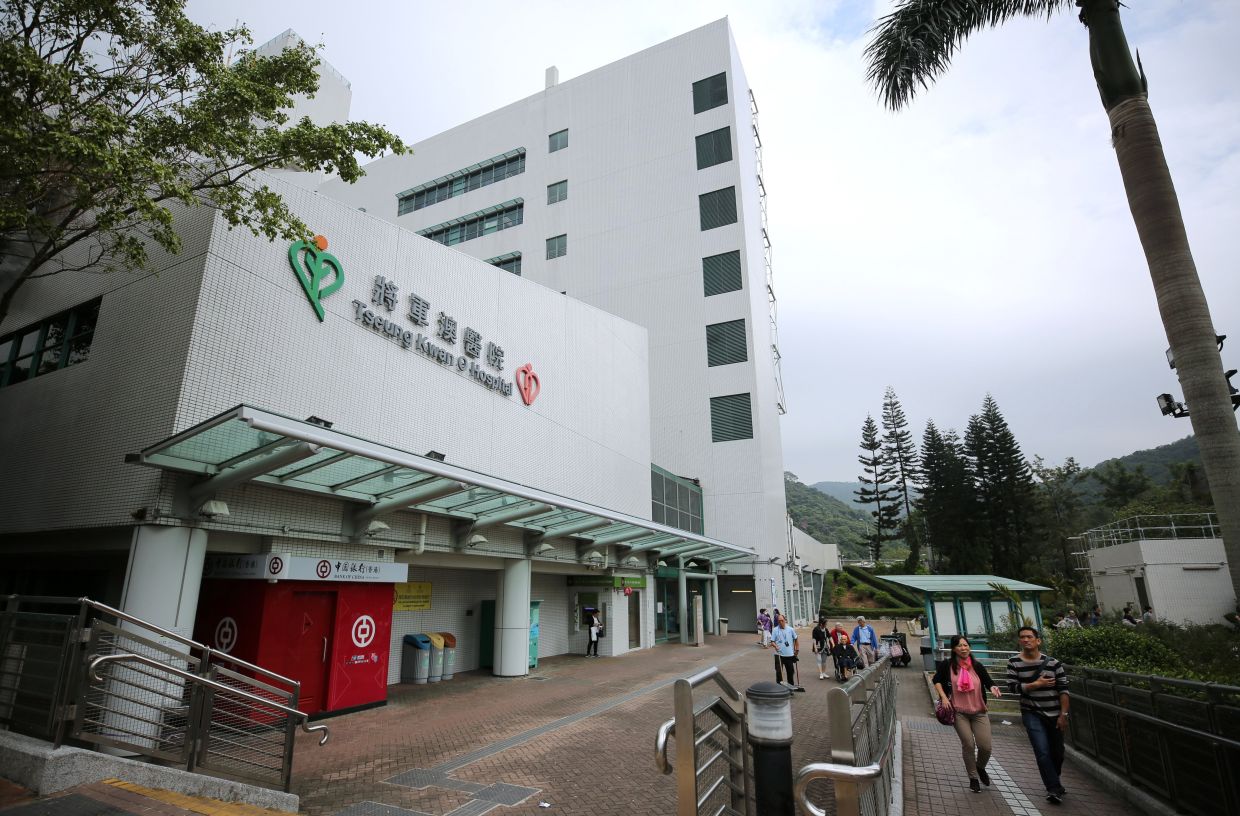
An investigation into a fatal surgical error at a Hong Kong public hospital has identified confirmation bias as the root cause of a surgeon operating on the wrong organ, raising fresh concerns about quality controls in the territory's healthcare system and prompting calls for disciplinary action against the medical professional involved.
Tseung Kwan O Hospital released its findings on Thursday following a detailed probe into the February 7 incident, which resulted in the death of an 85-year-old woman three weeks after the operation. The patient had been admitted with obstructive sigmoid colon cancer and underwent what was intended to be a transverse colostomy—a procedure that creates a surgical opening in the abdomen to relieve intestinal blockage. However, the surgeon inadvertently created the opening in the stomach rather than the colon, a fundamental error that went undetected during the immediate post-operative period despite warning signs.
Though the patient's vital signs remained stable in the immediate aftermath of surgery, clinical staff observed unusually high stomal output, a sign that should have prompted swift reassessment. Instead, this critical indicator was inadequately monitored, and intervention was delayed. The error only became apparent weeks later when the patient developed complications. By late February, she experienced sudden drops in blood pressure and elevated heart rate, necessitating her transfer back to Tseung Kwan O Hospital from Haven of Hope Hospital. A computed tomography scan performed upon readmission definitively revealed that the stoma had been created in the stomach rather than the colon—a discovery that came far too late to prevent deterioration. Her condition rapidly worsened, and she died on March 3 after her family consented to a do-not-attempt-resuscitation order.
The hospital's formal disclosure of the incident came in March following media inquiries, at which point administrators confirmed they had launched a comprehensive investigation and referred the case to the Coroner's Court. The investigation identified a cascade of systemic failures and individual lapses extending far beyond the initial surgical mistake. The hospital's report explicitly stated that the surgeon had exhibited confirmation bias when identifying anatomical structures within the abdominal cavity, a cognitive error in which the surgeon failed to challenge an initial incorrect identification. Critically, the report noted that the surgeon did not perform additional confirmation measures during the operation itself—a basic safeguard that should be standard practice in all surgical procedures.
Beyond the surgeon's individual error, the inquiry uncovered multiple organisational deficiencies. There was inadequate monitoring and interpretation of the abnormal stomal output by post-operative care teams, suggesting that nursing staff either lacked the training to recognise the significance of the findings or were not empowered to escalate concerns. The hospital also acknowledged insufficient experience among some healthcare personnel involved, pointing to potential gaps in staffing and competency management. Communication between the surgical team and the rehabilitation teams managing the patient after her transfer to Haven of Hope Hospital was documented as poor, directly contributing to delayed reassessment and the prolonged interval before the error was detected.
Former lawmaker Michael Tien Puk-sun voiced strong criticism following the report's release, arguing that the surgeon had a documented history of errors and should face substantial disciplinary consequences. Tien called for either demotion or termination of employment, describing the investigation's findings as particularly troubling given their preventable nature. His remarks highlighted frustration within Hong Kong's civic leadership over what he characterised as a pattern of similar incidents. Tien questioned whether the hospital's repeated commitments to implement improvements following such blunders would ever translate into meaningful change. He further expressed concern that such a fundamental error—which he described as a rookie mistake in surgical practice—undermines Hong Kong's carefully cultivated reputation as a world-class medical services destination.
The hospital's panel developed a series of recommendations aimed at preventing similar incidents. These include a comprehensive review of clinical governance structures within the surgery department, ensuring that surgical teams remain involved in patient care decisions even after patient transfer to other facilities or rehabilitation settings, and establishing requirements for stoma and wound care specialists to conduct formal post-operative assessments with proper documentation and timely reporting protocols. The recommendations essentially create additional checkpoints and accountability mechanisms designed to catch errors before they result in patient harm.
Tseung Kwan O Hospital indicated on Thursday that it had accepted all recommendations from the investigation panel and had already begun implementing measures to enhance patient safety. The institution has restructured its department of surgery to operate under a cluster-based governance model, a move intended to improve oversight and coordination among surgical teams. The hospital stated that it would follow established human resources procedures to address the performance of the doctors involved in the case and indicated that the matter might be escalated to the Medical Council—Hong Kong's regulatory body responsible for maintaining professional standards and investigating serious misconduct by registered medical practitioners.
The incident and its investigation carry broader implications for healthcare quality across the region. Hong Kong's medical system, while generally regarded as advanced and well-resourced, has faced periodic scrutiny over quality assurance mechanisms. The case illustrates how even in developed healthcare settings, fundamental errors can occur when proper protocols are not rigorously followed. For Malaysian healthcare professionals and administrators, the Hong Kong experience offers instructive lessons about the importance of standardised confirmation procedures in surgery, the necessity of robust communication between clinical teams, and the risks posed by gaps in staff training and experience levels. The investigation's detailed identification of both individual and systemic failures provides a template for how to conduct root-cause analysis when serious adverse events occur, an approach that could benefit healthcare institutions throughout Southeast Asia seeking to strengthen their safety culture and prevent similar tragedies.
%22%2F%3E%3C%2Fpattern%3E%3C%2Fdefs%3E%3Crect%20width%3D%22100%25%22%20height%3D%22100%25%22%20fill%3D%22url(%23phc4y2g)%22%2F%3E%3Crect%20width%3D%22100%25%22%20height%3D%22100%25%22%20fill%3D%22url(%23phc4y2p)%22%2F%3E%3Ctext%20x%3D%2250%25%22%20y%3D%2250%25%22%20text-anchor%3D%22middle%22%20dominant-baseline%3D%22central%22%20fill%3D%22rgba(255%2C255%2C255%2C0.95)%22%20font-family%3D%22Georgia%2C%20'Times%20New%20Roman'%2C%20serif%22%20font-weight%3D%22700%22%20font-size%3D%22272%22%20letter-spacing%3D%22-0.02em%22%3EMedia%3C%2Ftext%3E%3C%2Fsvg%3E)
%22%2F%3E%3C%2Fpattern%3E%3C%2Fdefs%3E%3Crect%20width%3D%22100%25%22%20height%3D%22100%25%22%20fill%3D%22url(%23ph4h96ng)%22%2F%3E%3Crect%20width%3D%22100%25%22%20height%3D%22100%25%22%20fill%3D%22url(%23ph4h96np)%22%2F%3E%3Ctext%20x%3D%2250%25%22%20y%3D%2250%25%22%20text-anchor%3D%22middle%22%20dominant-baseline%3D%22central%22%20fill%3D%22rgba(255%2C255%2C255%2C0.95)%22%20font-family%3D%22Georgia%2C%20'Times%20New%20Roman'%2C%20serif%22%20font-weight%3D%22700%22%20font-size%3D%22226%22%20letter-spacing%3D%22-0.02em%22%3EHAWANA%3C%2Ftext%3E%3C%2Fsvg%3E)