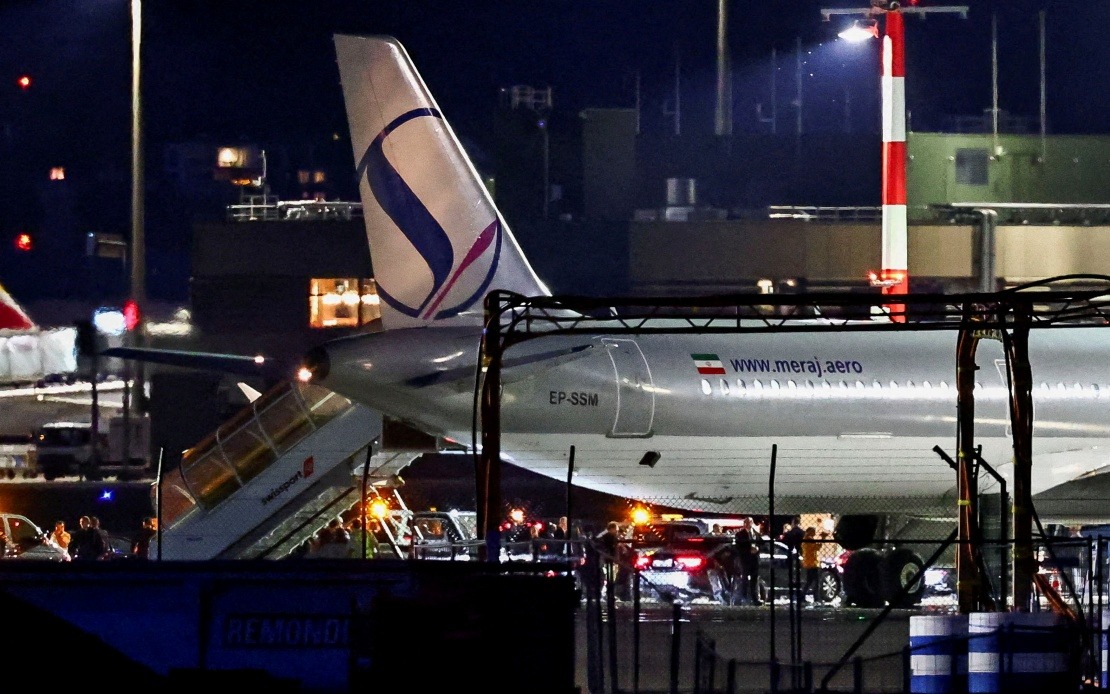
Negotiations between Iran and the United States taking place in Switzerland are entering a critical phase focused on translating preliminary understandings into concrete action. Iranian Foreign Ministry spokesman Ismail Baghaei signalled on Sunday that Tehran's negotiating position hinges on the practical implementation of specific memorandum articles before discussions can progress toward a comprehensive final agreement. This phased approach reflects Iran's insistence that any long-term settlement must be grounded in immediate, verifiable steps addressing the nation's core grievances regarding military conflicts and economic sanctions.
At the heart of Iran's negotiating framework lies Article 1 of the memorandum, which addresses the cessation of hostilities across multiple regional theatres. Baghaei emphasised that the end of warfare on all fronts, specifically including operations involving Lebanon, represents a non-negotiable foundational element. Without demonstrable movement on this point, Iranian officials have made clear that discussions cannot advance to final agreement negotiations. This conditional approach underscores Tehran's perception that ceasefire implementation serves as both a confidence-building measure and a prerequisite for sustained diplomatic engagement.
The memorandum's architecture, as outlined by Baghaei, establishes a sequential progression defined by Article 13. This provision stipulates that negotiations on a final agreement can only commence once Articles 1, 4, 5, 10, and 11 have been substantively implemented. Such a structure gives Iran considerable leverage in early negotiations, as the burden falls on all parties to demonstrate concrete compliance before deeper commitments are undertaken. For Malaysian and Southeast Asian observers, this approach parallels frameworks used in regional dispute resolution, where preliminary confidence-building measures establish the foundation for comprehensive settlements.
Articles 4 and 5 address the military dimensions of any prospective US-Iran settlement. These provisions envision a permanent ceasefire accompanied by mutual pledges against future aggression. Additionally, they contemplate the withdrawal of United States naval forces from Iranian proximity and the removal of the American naval blockade that has constrained Iranian maritime activities. Equally significant is the commitment to restore safe passage through the Strait of Hormuz, a waterway of immense global economic importance through which roughly one-quarter of the world's traded oil transits annually. The memorandum anticipates regional consultations regarding the strait's future governance, suggesting a multilateral approach to managing this critical chokepoint.
The economic dimensions of the proposed settlement, articulated in Articles 10 and 11, address sanctions and asset recovery—issues that have driven Iranian foreign policy for years. Article 10 contemplates American waivers permitting Iranian oil exports and the financial services required to facilitate those sales. This provision carries substantial implications for global energy markets, as expanded Iranian crude availability would influence pricing dynamics affecting economies throughout Asia-Pacific, including Malaysia's own energy sector considerations. Article 11 addresses the release of Iranian assets and funds that have been frozen under American sanctions regimes, with implementation proceeding through mutually agreed procedures.
Baghaei's public statements indicate that current Swiss discussions are specifically examining the mechanisms for operationalising Articles 1, 10, and 11. The emphasis on Article 1 suggests that regional ceasefire implementation remains the primary sticking point in negotiations. Progress on Articles 10 and 11 appears more procedural, involving technical discussions about how sanctions waivers would function and what safeguards would govern the unfreezing process. The Iranian position articulated through official channels signals that while economic relief matters greatly, military de-escalation constitutes the essential prerequisite for any lasting settlement.
The timing and location of these negotiations carry significance beyond the immediate bilateral relationship. Switzerland's traditional role as a neutral venue for sensitive diplomatic engagement reflects both parties' preference for careful, deliberate discussions away from domestic political pressures. For regional observers including Malaysia, the setting underscores the international dimensions of Iran-US relations and the potential spillover effects for Gulf stability, maritime security, and energy supplies. The inclusion of regional actors in discussions about the Strait of Hormuz's future governance suggests that any final agreement would likely require broader international participation.
From a Southeast Asian perspective, the outcome of these negotiations holds multiple implications. Expanded Iranian oil availability could influence regional energy pricing and supply chains. Maritime security improvements in the Persian Gulf region would benefit shipping interests across Asia-Pacific. Additionally, the precedent of implementing phased confidence-building measures before final agreement—as Iran is insisting upon—offers lessons applicable to other regional disputes where trust remains fragile and verification proves challenging.
The Iranian negotiating strategy evident in Baghaei's statements reflects both pragmatism and caution. By conditioning final agreement negotiations on demonstrable progress on ceasefire and sanctions issues, Tehran ensures that any settlement reflects genuine reciprocal commitments rather than aspirational rhetoric. This approach also provides Iranian negotiators with clear benchmarks against which to measure American compliance, creating space for regular reassessment and adjustment. Whether American negotiators accept this sequencing or push for simultaneous progress across multiple fronts will substantially influence the negotiation trajectory.
Looking forward, the success of Swiss negotiations will likely depend on whether both parties can translate the memorandum's broad provisions into specific, verifiable implementation mechanisms. The regional security architecture Iran envisions through cessation of warfare on multiple fronts differs markedly from American security interests in the Gulf, requiring creative diplomatic solutions. Malaysian policymakers monitoring these developments should recognise that Iran-US settlements inevitably reshape regional power dynamics, potentially affecting maritime security arrangements, energy flows, and the broader geopolitical balance affecting Southeast Asian interests and stability.
%22%2F%3E%3C%2Fpattern%3E%3C%2Fdefs%3E%3Crect%20width%3D%22100%25%22%20height%3D%22100%25%22%20fill%3D%22url(%23phje2hg)%22%2F%3E%3Crect%20width%3D%22100%25%22%20height%3D%22100%25%22%20fill%3D%22url(%23phje2hp)%22%2F%3E%3Ctext%20x%3D%2250%25%22%20y%3D%2250%25%22%20text-anchor%3D%22middle%22%20dominant-baseline%3D%22central%22%20fill%3D%22rgba(255%2C255%2C255%2C0.95)%22%20font-family%3D%22Georgia%2C%20'Times%20New%20Roman'%2C%20serif%22%20font-weight%3D%22700%22%20font-size%3D%22320%22%20letter-spacing%3D%22-0.02em%22%3E70%3C%2Ftext%3E%3C%2Fsvg%3E)