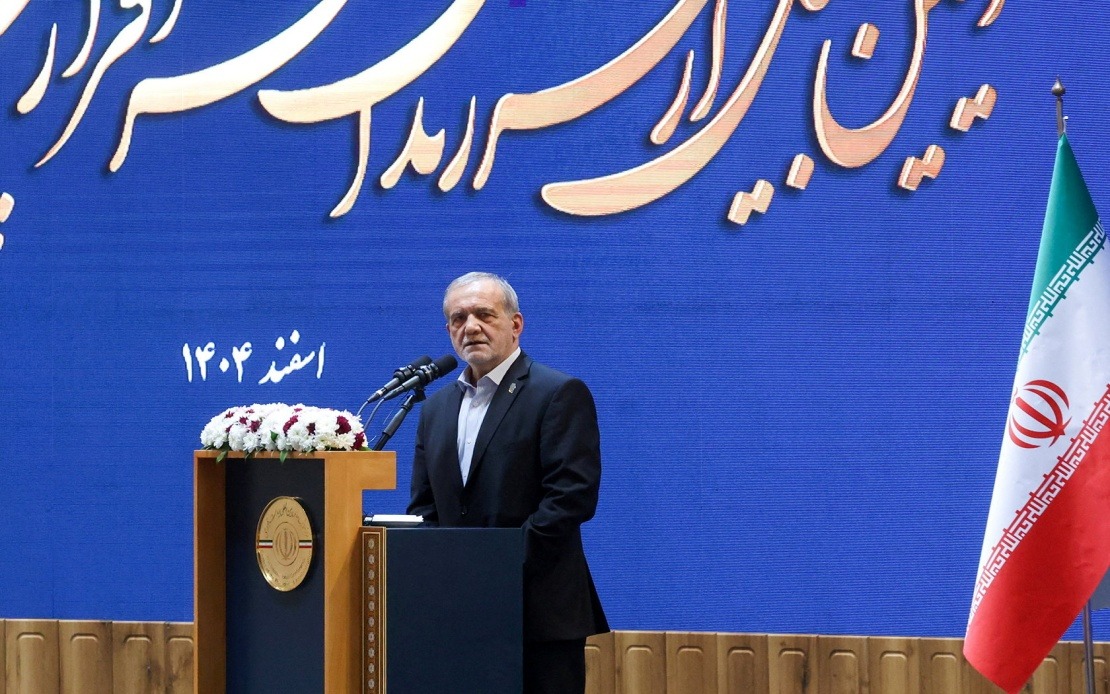
Iranian President Masoud Pezeshkian has signalled a potential shift in Tehran's nuclear negotiating position by suggesting that Iran could formally commit in writing to abstaining from weapons development. The declaration, if enacted, would represent a tangible concession in longstanding disputes over Iran's atomic programme that have shaped international relations for two decades. Pezeshkian's remarks come as delegations from Tehran and Washington resumed direct talks in Switzerland following the signing of a framework memorandum earlier this week, marking a significant diplomatic development in the Middle East.
The Iranian leader's comments suggest flexibility on a contentious issue that has repeatedly derailed previous attempts at agreement. By proposing a written guarantee rather than simply relying on the stated policy of the Islamic Republic, Pezeshkian appears to acknowledge that formal documentation carries greater weight in international negotiations than repeated verbal assurances. This tactical repositioning reflects Iran's apparent recognition that the diplomatic window remains open, though technical obstacles and trust deficits persist on both sides.
The framework agreement currently in place establishes a 60-day timeline for negotiators to forge a comprehensive accord addressing Iran's nuclear programme. This compressed schedule creates urgency that may be pushing both parties toward more concrete commitments. The deadline effectively pressurises representatives from both nations to move beyond preliminary statements and establish binding arrangements that can satisfy domestic constituencies while advancing mutual interests. For Malaysia and other Southeast Asian nations watching these developments, the successful conclusion of such talks could stabilise oil markets and regional security architecture.
Pezeshkian explicitly did not confirm whether the written declaration proposal forms part of the ongoing Switzerland negotiations or represents merely a theoretical option available to Iranian diplomacy. This ambiguity reflects common negotiating practice in sensitive international talks, where leaders sometimes plant ideas through public statements to gauge international reaction before committing formally. The statement's careful framing suggests internal Iranian deliberations about how far to extend concessions while maintaining the perception of principled resistance to external pressure.
The Iranian president grounded his comments in the religious authority of former Supreme Leader Ali Khamenei, invoking his categorical rejection of weapons of mass destruction on theological grounds. However, the reference creates an inconsistency within the narrative, as Khamenei was reportedly killed in strikes attributed to the United States and Israel. This apparent confusion raises questions about the accuracy of the reporting or the current state of Iranian institutional clarity regarding succession and theological authority structures. Nonetheless, Pezeshkian's invocation of this religious framework provides Iran with both domestic legitimacy and international cover for non-proliferation commitments.
Iranian officials have repeatedly maintained that the nation's nuclear programme serves exclusively civilian and medical purposes, a position reaffirmed across successive administrations despite persistent international scepticism. The consistency of these declarations, irrespective of their factual accuracy, serves an important rhetorical function in Iranian politics and diplomacy. By anchoring nuclear restraint in religious principle rather than external coercion, Iranian leadership attempts to reconcile compliance with nationalist sentiments that resist capitulation to Western pressure.
Pezeshkian's confidence regarding negotiating prospects appears grounded in his assessment that arrangements secured thus far favour Iranian interests. He specifically highlighted the potential release of USD 6 billion in frozen Iranian assets currently held in Qatar as an early confidence-building measure. This figure represents a significant but limited portion of Iran's total frozen reserves globally, suggesting that negotiators have identified manageable first steps that might gradually rebuild trust before addressing larger financial and sanctions architecture. For Malaysian policymakers, such financial releases could eventually influence regional economic dynamics and energy market stability.
The unfreezing of assets in Qatar carries particular symbolic importance as it demonstrates immediate, tangible benefit to the Iranian population and economy. Psychological momentum from early successful implementation of agreements often facilitates progress on more complex subsequent issues. The sequencing of such financial releases appears deliberately structured to reward Iranian compliance with nuclear inspections and transparency measures while creating constituencies within Iran invested in the agreement's success.
The broader context of these negotiations reflects shifting geopolitical alignments in the Middle East and the international community's evolving assessment of proliferation risks. Previous agreement attempts, including the Joint Comprehensive Plan of Action negotiated during the Obama administration, foundered on questions of verification, duration, and the scope of permitted enrichment activities. Current discussions appear to acknowledge previous stumbling blocks by focusing on written, observable commitments rather than complex technical restrictions that proved difficult to monitor and enforce effectively.
For Southeast Asian observers, the Iranian nuclear question intersects with broader concerns about weapons proliferation, maritime security, and energy supply chains. Many regional nations depend substantially on Middle Eastern oil and possess significant shipping interests in vital waterways where Iranian policies directly influence stability. A successful nuclear agreement could reduce the likelihood of conflict that might disrupt these critical economic arteries, making the negotiating process consequential for nations thousands of kilometres away from Switzerland.
The role of the United States in these negotiations reflects the Biden administration's apparent recalibration of Middle East policy following two decades of military engagement and sanctions escalation. The framework agreement itself represents a departure from the Trump administration's maximum pressure approach, suggesting a deliberate policy reset toward negotiated outcomes. How sustainable such an approach proves depends substantially on the degree to which both sides' core constituencies accept the compromises implicit in any final accord.
%22%2F%3E%3C%2Fpattern%3E%3C%2Fdefs%3E%3Crect%20width%3D%22100%25%22%20height%3D%22100%25%22%20fill%3D%22url(%23phje2hg)%22%2F%3E%3Crect%20width%3D%22100%25%22%20height%3D%22100%25%22%20fill%3D%22url(%23phje2hp)%22%2F%3E%3Ctext%20x%3D%2250%25%22%20y%3D%2250%25%22%20text-anchor%3D%22middle%22%20dominant-baseline%3D%22central%22%20fill%3D%22rgba(255%2C255%2C255%2C0.95)%22%20font-family%3D%22Georgia%2C%20'Times%20New%20Roman'%2C%20serif%22%20font-weight%3D%22700%22%20font-size%3D%22320%22%20letter-spacing%3D%22-0.02em%22%3E70%3C%2Ftext%3E%3C%2Fsvg%3E)