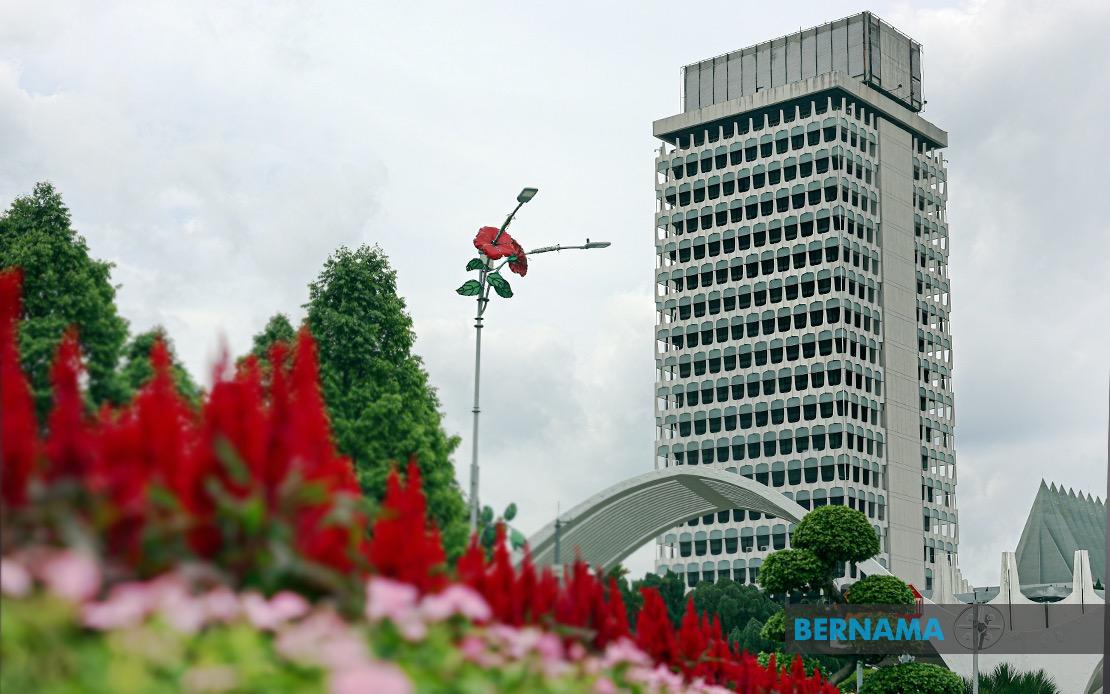
His Majesty Sultan Ibrahim, King of Malaysia, has formally granted royal assent to eight bills that successfully navigated Parliament's legislative process during the opening meeting of the Fifth Session of the 15th Parliament. Dewan Rakyat Speaker Tan Sri Johari Abdul announced the royal approval before the start of question time in Parliament today, marking a significant step forward in Malaysia's legislative agenda for 2025 and 2026.
Among the legislation receiving royal approval are four bills that directly affect Malaysia's administrative and immigration framework. The Government Procurement Act 2025 represents a comprehensive overhaul of how the federal government manages its purchasing and tendering processes, modernising procurement standards to enhance transparency and efficiency. The two immigration-related bills—the Immigration (Amendment) Act 2025 and the Passports (Amendment) Act 2025—introduce refinements to Malaysia's border management and travel document systems, reflecting evolving security and administrative requirements in an increasingly mobile regional context.
The International Settlement Agreements Resulting from Mediation Act 2025 addresses Malaysia's integration into international dispute resolution frameworks, positioning the country to participate more effectively in cross-border commercial arbitration and mediated settlements. This legislation is particularly significant for Malaysian businesses engaging in international commerce and investment, as it provides legal certainty for settlements conducted through mediation rather than formal litigation, reducing costs and timeframes for complex transnational disputes.
Four additional bills have also received royal assent, each targeting specific sectors and national priorities. The Johor Bahru-Singapore Rapid Transit System (RTS) Link Act 2026 provides the legal foundation for this landmark infrastructure project, which will connect Malaysia's southern industrial heartland directly with Singapore's transport network. For Malaysian commuters and businesses in Johor, the RTS Link represents transformative potential, facilitating smoother cross-border movement of workers, goods, and services between the two economies. The legislative framework underpins the bilateral agreement and establishes governance structures for the project's implementation, operations, and maintenance.
The Capitation Grant Act 2026 recalibrates how government funds are distributed to educational institutions based on student enrollment, affecting resource allocation across Malaysia's school system. This financial mechanism influences educational quality and equity, as schools in different states and sectors receive adjusted funding levels according to their student populations. The amendments signal government commitment to ensuring that educational resources flow proportionately to where students are concentrated, though the practical impact will depend on how the legislation addresses disparities between urban and rural schools.
Environmental Quality (Amendment) Act 2026 strengthens Malaysia's regulatory tools for managing pollution and preserving natural resources. In a region increasingly concerned with air quality, water management, and industrial emissions, particularly following transboundary haze events affecting Southeast Asia, this amendment demonstrates legislative response to environmental pressures. The specific amendments to the act likely address enforcement mechanisms, penalty structures, or expanded coverage of environmental hazards, though the speaker's announcement did not detail these provisions.
The Supplementary Supply (2025) Act 2026 authorises additional government expenditure beyond what was originally budgeted for the 2025 financial year, typically covering unforeseen expenses or priority allocations that emerged after the main budget was passed. This fiscal measure provides the executive branch with legal authority to spend additional funds on justified needs without requiring a full budget revision, a standard practice in parliamentary democracies managing dynamic fiscal circumstances.
Separately, Parliament's upper house, the Dewan Negara, has completed its review of the Employment Insurance System (Amendment) Bill 2025, approving it with modifications to Clause 11. This amendment refines Malaysia's employment insurance framework, which provides workers with income protection during periods of unemployment or retrenchment. The specific amendment to Clause 11 suggests the upper house identified technical or substantive improvements to provisions governing benefit calculations, eligibility criteria, or employer-employee contribution mechanics. The involvement of both chambers in refining this bill underscores the significance of employment protection legislation in Malaysia's social safety net architecture.
The legislative package reflects a government agenda spanning infrastructure development, administrative modernisation, environmental stewardship, and social protection. For Malaysian readers, the cumulative effect of these bills shapes the regulatory environment for business operations, cross-border movement, government service delivery, and employment security. The RTS Link Act particularly captures public attention as it represents Malaysia's most significant recent infrastructure partnership with Singapore, promising economic integration benefits whilst requiring careful coordination across jurisdictions.
The timing of these approvals establishes the legal framework needed for 2026 implementation of several initiatives, suggesting government planning cycles aligned with these deadlines. The bills demonstrate Parliament's legislative productivity during the January-March sitting, with the formal royal assent process now complete. For Malaysian stakeholders—whether businesses navigating procurement regulations, workers concerned with employment insurance, or residents of Johor watching the RTS Link progress—these legislative acts now carry full legal force and effect, enabling implementation of policies that will shape economic and social outcomes across the country.
%22%2F%3E%3C%2Fpattern%3E%3C%2Fdefs%3E%3Crect%20width%3D%22100%25%22%20height%3D%22100%25%22%20fill%3D%22url(%23ph2rbueg)%22%2F%3E%3Crect%20width%3D%22100%25%22%20height%3D%22100%25%22%20fill%3D%22url(%23ph2rbuep)%22%2F%3E%3Ctext%20x%3D%2250%25%22%20y%3D%2250%25%22%20text-anchor%3D%22middle%22%20dominant-baseline%3D%22central%22%20fill%3D%22rgba(255%2C255%2C255%2C0.95)%22%20font-family%3D%22Georgia%2C%20'Times%20New%20Roman'%2C%20serif%22%20font-weight%3D%22700%22%20font-size%3D%22136%22%20letter-spacing%3D%22-0.02em%22%3EBangladesh%3C%2Ftext%3E%3C%2Fsvg%3E)
%22%2F%3E%3C%2Fpattern%3E%3C%2Fdefs%3E%3Crect%20width%3D%22100%25%22%20height%3D%22100%25%22%20fill%3D%22url(%23ph51v0dg)%22%2F%3E%3Crect%20width%3D%22100%25%22%20height%3D%22100%25%22%20fill%3D%22url(%23ph51v0dp)%22%2F%3E%3Ctext%20x%3D%2250%25%22%20y%3D%2250%25%22%20text-anchor%3D%22middle%22%20dominant-baseline%3D%22central%22%20fill%3D%22rgba(255%2C255%2C255%2C0.95)%22%20font-family%3D%22Georgia%2C%20'Times%20New%20Roman'%2C%20serif%22%20font-weight%3D%22700%22%20font-size%3D%22170%22%20letter-spacing%3D%22-0.02em%22%3EMalaysia%3C%2Ftext%3E%3C%2Fsvg%3E)