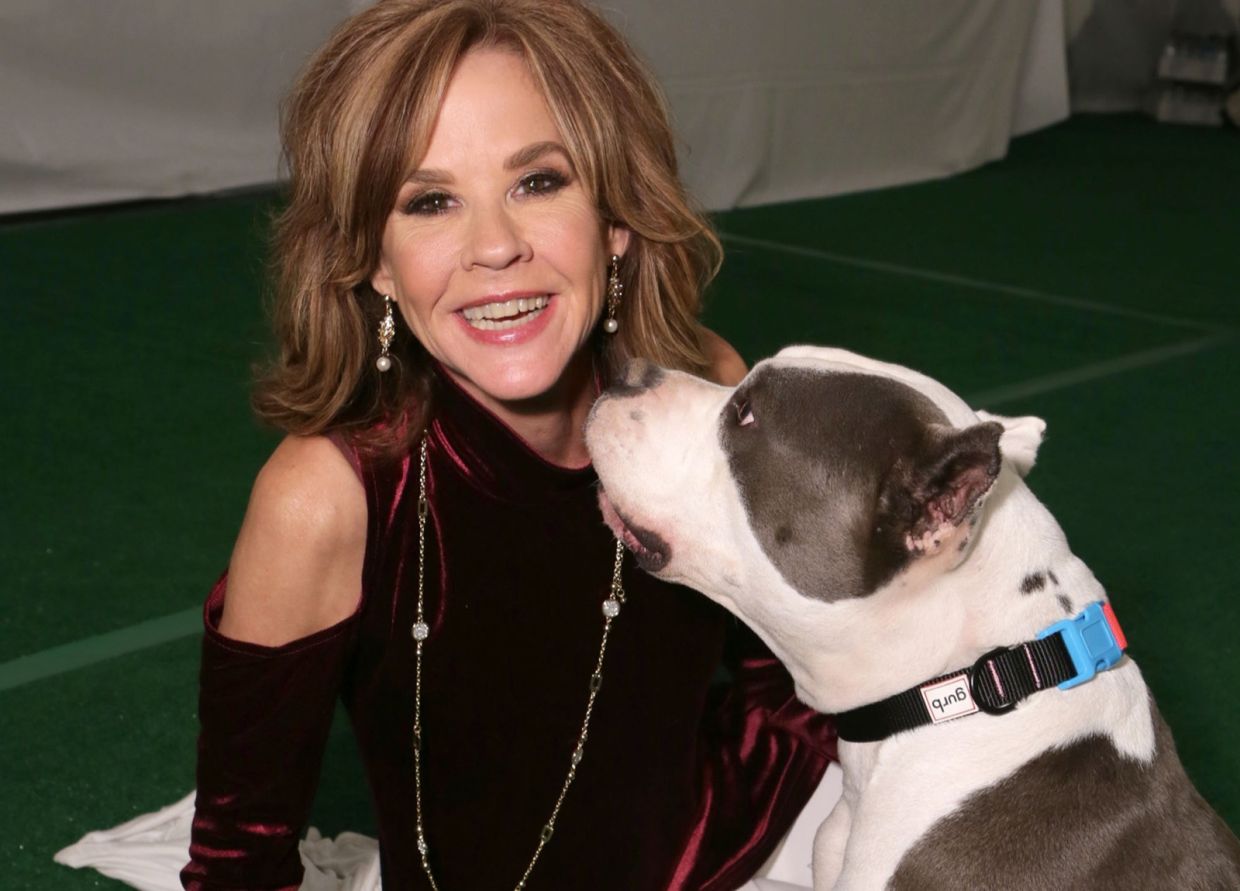
Authorities in Los Angeles County descended on actress Linda Blair's Southern California property on Friday afternoon as part of a joint investigation into what officials describe as an undocumented kennel operation housing over 100 rescue dogs. The action, coordinated between the Los Angeles County Department of Animal Care and Control and the Los Angeles County Department of Regional Planning, marked an escalation in officials' attempts to bring the facility into compliance with county regulations.
The investigative warrant that enabled the property search came after mounting concerns about the large number of animals on the premises and the lack of current documentation. According to the departments involved, Blair had previously maintained a valid permit for her kennel facility, but this authorisation expired in 2023, leaving the operation technically unlicensed for several months. Rather than proceeding with enforcement action immediately, county officials made multiple attempts to contact Blair and resolve the matter through direct communication, but these overtures apparently went unanswered, leading to the warrant request and subsequent inspection.
The operation itself was characterised by cooperation rather than confrontation. Officials reported that Blair, who is 67 years old, was receptive to the inspection and the presence of law enforcement and animal control personnel. Importantly, she has not been accused of any criminal wrongdoing in connection with the facility. Rather, the issue centres on administrative and regulatory compliance, a distinction that underscores the nature of the investigation as a matter of proper licensing and documentation rather than animal welfare violations or criminal conduct.
Blir addressed the situation directly with the public through a video posted to Instagram on Friday evening, seeking to clarify the circumstances surrounding the raid. In her statement, she characterised the incident as fundamentally routine, emphasising that all parties involved—herself, the authorities, and crucially, the animals—remained safe and well during the inspection. She framed the core issue as a paperwork matter requiring resolution, downplaying any suggestion of serious regulatory failures or impropriety. The timing of the inspection, conducted during an unusually hot afternoon with temperatures reaching 105 degrees Fahrenheit, added an additional layer of concern that Blair felt compelled to address, reassuring supporters that the animals had handled the experience well despite the challenging weather conditions.
In her written statement accompanying the video, Blair offered further context by referencing the demanding nature of animal rescue work and the resource constraints that often accompany such operations. She highlighted the overwhelming volume of administrative tasks faced by those working in rescue organisations, where managing emails and social media communications can become a secondary concern when the primary focus remains on saving lives from difficult circumstances. This framing suggests that the administrative lapse may have been rooted in the sheer volume of work involved in running a rescue operation rather than neglect or indifference to regulatory requirements.
The Linda Blair WorldHeart Foundation, which the actress established in 2003, operates as a nonprofit organisation dedicated to addressing animal suffering through rescue, rehabilitation, and rehoming of abused, neglected, and abandoned animals. The foundation's mission aligns closely with Blair's public statements about her commitment to animal welfare, though the recent regulatory action highlights the tension between the humanitarian impulse to save animals and the necessity of complying with local government codes and permitting requirements. This tension is hardly unique to Blair's operation; many small and mid-sized animal rescue organisations across the United States struggle to balance rapid growth in the number of animals they attempt to save with the bureaucratic requirements imposed by local authorities.
The investigation raises broader questions about how local governments and animal rescue organisations can better coordinate to ensure both animal welfare and regulatory compliance. In many cases, rescue facilities operate in a grey area where the number of animals under their care grows faster than their capacity to navigate complex permitting systems or where well-intentioned operators may inadvertently allow permits to lapse while focusing on immediate rescue needs. The Los Angeles County Department of Animal Care and Control's approach—attempting multiple contacts before seeking a warrant—suggests an effort to work cooperatively rather than punitively, though the ultimate need for a warrant indicates the limits of informal resolution mechanisms.
For Malaysian and Southeast Asian readers, the incident offers insights into how Western jurisdictions regulate animal rescue operations and the administrative infrastructure that supports them. Malaysia's approach to animal welfare and rescue facilities operates under different regulatory frameworks, though similar tensions exist between the desire to rescue animals and the need for proper facilities, documentation, and oversight. The case demonstrates that even in well-resourced jurisdictions with established animal protection frameworks, regulatory compliance remains an ongoing challenge for those working at the intersection of animal advocacy and local government requirements.
The resolution of Blair's case will likely depend on her ability to bring the facility into full compliance with Los Angeles County codes and regulations. This may involve obtaining updated permits, documenting all animals currently on the property, and demonstrating that facilities and care standards meet county requirements. The experience serves as a reminder that operating a legitimate animal rescue operation requires attending to both the emotional and physical needs of animals and the formal administrative processes that local governments use to ensure consistent standards across the sector. As the investigation continues, it will be important to monitor whether this situation results in changes to how county authorities work with rescue organisations to facilitate timely permit renewals and regulatory compliance.

