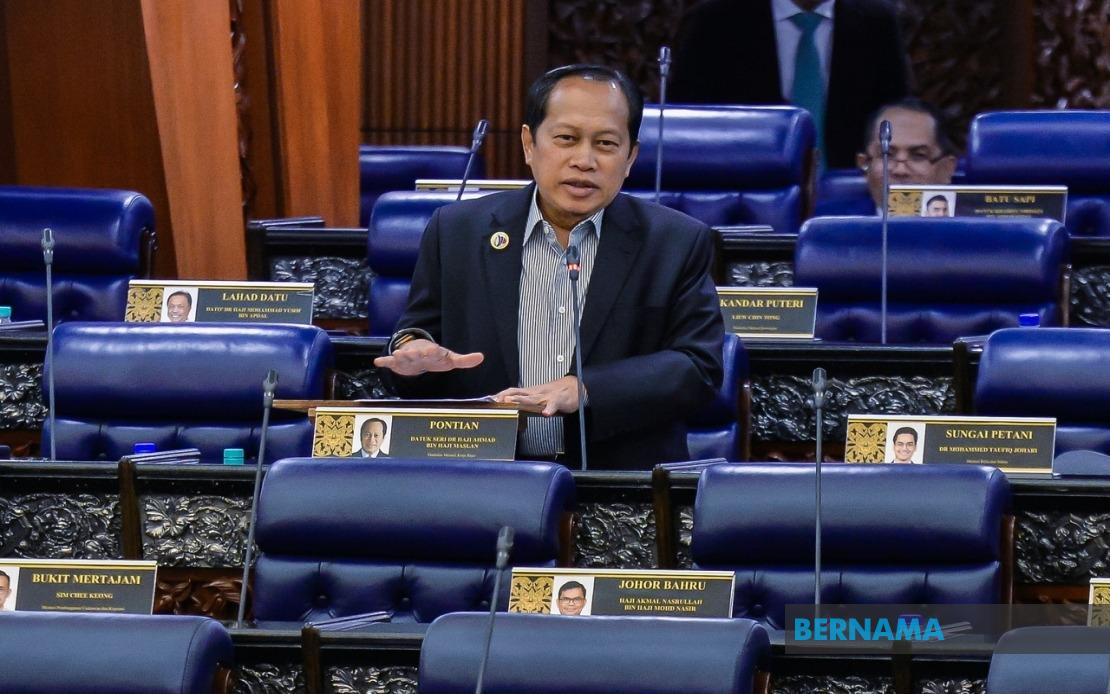
The East Coast Expressway Phase 3 will be pursued as a public-private partnership rather than through direct government funding, marking a shift in how Malaysia finances major infrastructure projects amid tighter federal budgets. Deputy Works Minister Datuk Seri Dr Ahmad Maslan revealed the decision during parliamentary proceedings, explaining that the government's constrained financial position necessitates engaging private sector partners to shoulder construction and operational responsibilities.
Under the proposed arrangement, the government will issue a Request for Proposal inviting qualified bidders to design, build, operate and maintain the expressway. The winning consortium will be responsible for financing the entire development, fundamentally different from traditional government-funded infrastructure models where public funds cover project costs upfront. This approach has become increasingly common in Southeast Asia as governments seek to leverage private capital and expertise for transport connectivity initiatives.
The LPT3 project spans 122 kilometres of dual two-lane carriageway connecting Kampung Gemuruh in Kuala Terengganu with Tunjung in Kota Bharu. The route will incorporate five major interchange points to facilitate traffic distribution across the East Coast region. Earlier feasibility studies conducted in 2022 estimated the total development cost at RM9.8 billion, though this figure may adjust based on final design specifications and market conditions when the RFP process commences.
Ahmad contextualised the expressway within a broader transport development strategy for the East Coast, emphasizing that LPT3 would function as a complementary link rather than the sole solution for regional connectivity. The completion of the East Coast Rail Link will provide an alternative passenger transport corridor between the East Coast and Klang Valley industrial heartland. Simultaneously, the Kota Bharu-Kuala Krai Expressway and the Lingkaran Tengah Utama Expressway represent additional road-based options, creating a diversified transport network serving the region's evolving economic needs.
Currently, congestion on existing East Coast routes concentrates during peak seasonal periods, particularly during Hari Raya holidays when urban workers return to their hometowns and reverse migration patterns create temporary bottlenecks. Demand analysis suggests that spreading traffic across multiple transport corridors will distribute loading and improve regional connectivity efficiency. For Malaysian and regional businesses, this network development enhances supply chain logistics by reducing transit times and transportation costs between the East Coast and Malaysia's central economic zones.
The toll structure for LPT3 remains undetermined pending resolution of multiple operational parameters. Ahmad indicated that pricing will ultimately reflect construction costs, debt servicing obligations, maintenance and operations expenses, anticipated traffic volumes, and the concession period agreed between government and the private operator. These variables typically dictate toll levels that balance project financial viability with user affordability—a critical consideration in Malaysian transportation policy given public sensitivity to toll increases.
The concession period, toll collection technology, and gantry placement strategy have not yet been finalized. Private partners will likely propose their preferred operational frameworks during the RFP bidding process, and government evaluators will assess options balancing fiscal sustainability with public interest. International PPP models suggest concession periods ranging from fifteen to thirty years, though Malaysian precedents like the New Klang Valley Expressway demonstrate varied arrangements depending on project-specific circumstances and negotiated terms.
The PPP model for LPT3 reflects broader fiscal realities confronting Southeast Asian governments post-pandemic. Revenue constraints from lower economic growth and increased social spending obligations have reduced capacity for large-scale infrastructure investment funded entirely through budgetary allocations. Private capital mobilization through PPPs enables project advancement without straining government finances, though it typically results in higher user costs as private operators require returns compensating their invested capital and assumed risks.
For East Coast states, successful project completion would catalyze economic development by facilitating goods movement and business expansion. The expressway would benefit manufacturing hubs in Terengganu and Kelantan, tourism enterprises in Pahang, and agricultural sectors throughout the region. Enhanced connectivity typically attracts investment and encourages regional industrial clustering, particularly in sectors dependent on rapid supply chain responsiveness.
The RFP process will determine whether domestic Malaysian contractors, international firms, or joint ventures emerge as successful bidders. Previous Southeast Asian expressway PPP projects have attracted participants ranging from local construction companies to international infrastructure operators, introducing varying technical expertise and operational approaches. Competition among bidders should theoretically optimize project design and operational efficiency, though government oversight mechanisms must protect public interests throughout the concession period.
The decision to pursue LPT3 through PPP represents pragmatic accommodation to fiscal constraints rather than comprehensive transport planning preference. Malaysian policymakers continue recognizing that public capital remains essential for foundational infrastructure where private sector returns insufficient to justify investment. Strategic integration of PPP mechanisms for projects meeting private profitability thresholds, alongside traditional public funding for essential infrastructure, characterizes contemporary Malaysian infrastructure strategy.

