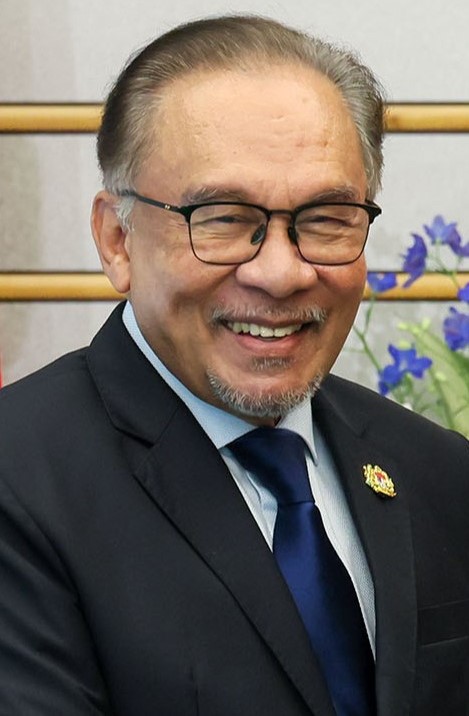
Malaysia's trade union movement faces a significant challenge in attracting workers, with only around six per cent of the country's entire workforce currently holding union membership. The observation came from Human Resources Minister Datuk Seri R. Ramanan during the Peninsular Malaysia Workers' Union Affairs Programme (PHEKS) 2026 grant presentation ceremony in Kuala Lumpur on June 23, underscoring what government officials view as a critical gap in worker participation that requires urgent attention.
The minister attributed this modest penetration rate to a fundamental lack of awareness among the broader workforce regarding what unions actually offer. Many workers, according to Ramanan's assessment, remain unclear about the tangible advantages of union membership or the comprehensive role these organisations play in protecting and advancing worker interests. This knowledge gap represents a substantial opportunity for union organisers and the government to reshape perceptions and demonstrate concrete value to sceptical workers who may view union dues as an unnecessary expense.
Despite the current situation, Ramanan expressed cautious optimism about the potential for growth within Malaysia's union sector. He emphasised that the government recognises room for expansion and is committed to facilitating conditions that encourage greater worker participation in collective organisations. This measured optimism reflects broader regional trends where several Southeast Asian nations are grappling with similar challenges in maintaining and growing union memberships amid evolving labour market dynamics and changing worker preferences.
A fundamental shift in how workers perceive unions is necessary, in Ramanan's view. He stressed that workers should not view unions as emergency resources to be contacted only when problems arise or disputes emerge. Instead, he argued that unions should be regarded as proactive institutions with a preventive function, working continuously to establish conditions where workplace conflicts and injustices never develop in the first place. This distinction matters considerably, as it frames union membership as preventive insurance rather than reactive intervention.
The government positions workers' unions as entities serving multiple stakeholders beyond their members alone. According to the minister's characterisation, unions function as strategic partners with the government in crafting economic development policies that balance business interests with worker protections and social equity. This tripartite framework—involving government, employers, and workers through their unions—is presented as essential to maintaining the industrial harmony and labour market stability that Malaysia requires for sustained economic competitiveness in an increasingly challenging global environment.
To strengthen this ecosystem, the government has committed substantial resources to the union movement. The allocation of RM6.1 million for PHEKS 2026 represents a significant investment divided into two distinct priorities. Training, education, research, digitalisation, and governance capacity-building programmes receive RM3.5 million, reflecting recognition that unions require modern operational capabilities and knowledge to remain relevant. The remaining RM2.6 million is designated for outreach activities and corporate social responsibility initiatives, suggesting that unions are expected to extend their presence beyond traditional membership bases into broader community engagement.
The digitalisation component of this funding carries particular significance for Malaysia's evolving workplace landscape. Ramanan highlighted that artificial intelligence and other technological advances are no longer distant prospects but present realities reshaping how work is performed and organised. Workers and unions alike must adapt to these changes, developing competencies that enable them to negotiate effectively with employers over the implications of automation, algorithmic management, and workplace surveillance technologies that increasingly characterise modern employment.
The government's broader commitment to skills upgrading extends well beyond union-specific initiatives. Through the Jelajah AI MyMahir programme, administered under TalenCorp, the ministry has committed RM110 million toward upskilling Malaysian workers in technological competencies. This substantial investment acknowledges that the nation's competitive position depends fundamentally on workforce adaptability and continuous learning. Unions, in this context, can serve as valuable conduits for disseminating training information and ensuring that advancement opportunities reach workers across different sectors and skill levels.
Statistical data reveals the actual scale of Malaysia's union infrastructure as of December 31, 2025. The country operates 786 registered workers' unions collectively representing over 1.06 million members. This network, while representing only six per cent of the total workforce, still constitutes a substantial organisational base capable of significant mobilisation. The challenge lies not in the existence of union structures but in convincing the remaining ninety-four per cent of workers that membership serves their interests and merits their participation and financial commitment.
The minister made clear that future government grants will depend partly on how effectively current allocations are deployed and whether unions demonstrate sound governance practices. This conditionality suggests a performance-based approach where unions must show tangible results in membership growth, member satisfaction, and effective use of public resources to justify expanded government support. For Malaysian unions, this creates both pressure and opportunity to demonstrate their contemporary relevance to workers and policymakers alike.
The timing of this investment and emphasis on union development occurs within a broader context of regional labour market transformation. Southeast Asian nations generally face questions about union relevance in gig economies, remote work arrangements, and sectors with high informal employment. Malaysia's six per cent unionisation rate, while concerning to government and union leadership, reflects patterns visible across much of the region, making the PHEKS 2026 programme an experiment with potential lessons for other economies seeking to revitalise union participation among workers increasingly sceptical of traditional labour organisations.