%22%2F%3E%3C%2Fpattern%3E%3C%2Fdefs%3E%3Crect%20width%3D%22100%25%22%20height%3D%22100%25%22%20fill%3D%22url(%23ph23zzwg)%22%2F%3E%3Crect%20width%3D%22100%25%22%20height%3D%22100%25%22%20fill%3D%22url(%23ph23zzwp)%22%2F%3E%3Ctext%20x%3D%2250%25%22%20y%3D%2250%25%22%20text-anchor%3D%22middle%22%20dominant-baseline%3D%22central%22%20fill%3D%22rgba(255%2C255%2C255%2C0.95)%22%20font-family%3D%22Georgia%2C%20'Times%20New%20Roman'%2C%20serif%22%20font-weight%3D%22700%22%20font-size%3D%22226%22%20letter-spacing%3D%22-0.02em%22%3EPenang%3C%2Ftext%3E%3C%2Fsvg%3E)
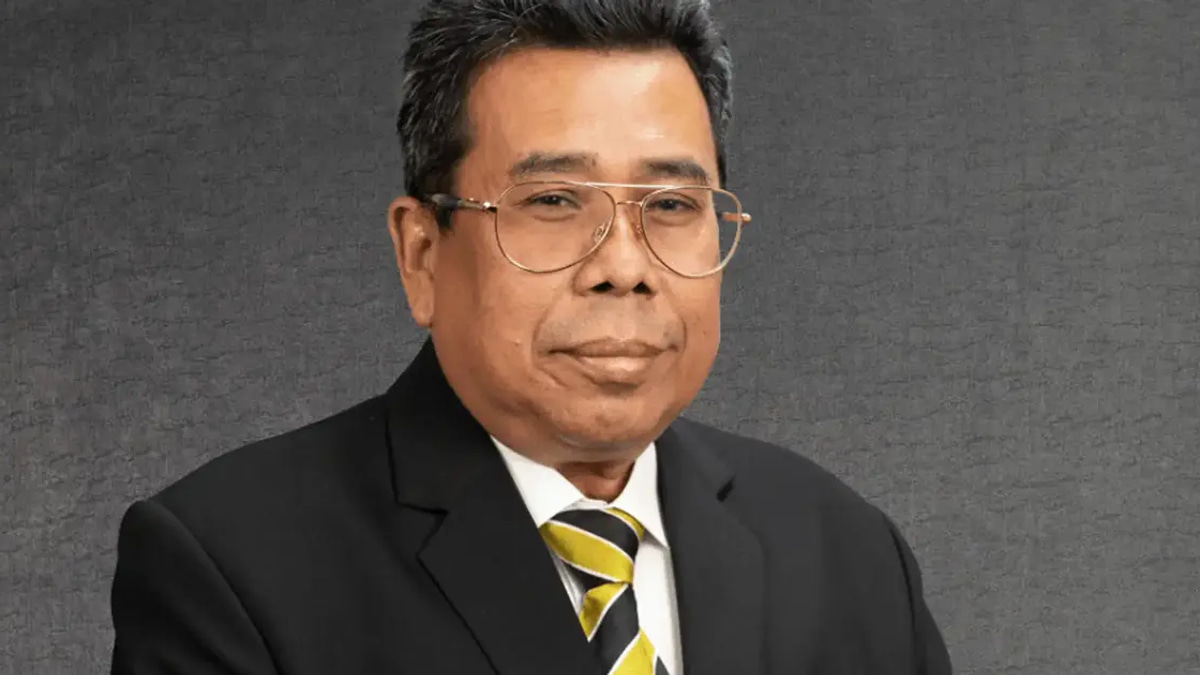
Penang Governor Tun Ramli Ngah Talib recognised the invaluable contributions of journalists and media organisations across Malaysia and the wider ASEAN region at a state government dinner held in Butterworth on June 19, coinciding with National Journalists' Day 2026. The evening gathering brought together nearly 350 guests, including editors, senior media executives, seasoned journalists and government officials, setting the stage for the flagship HAWANA 2026 conference scheduled for the following day.
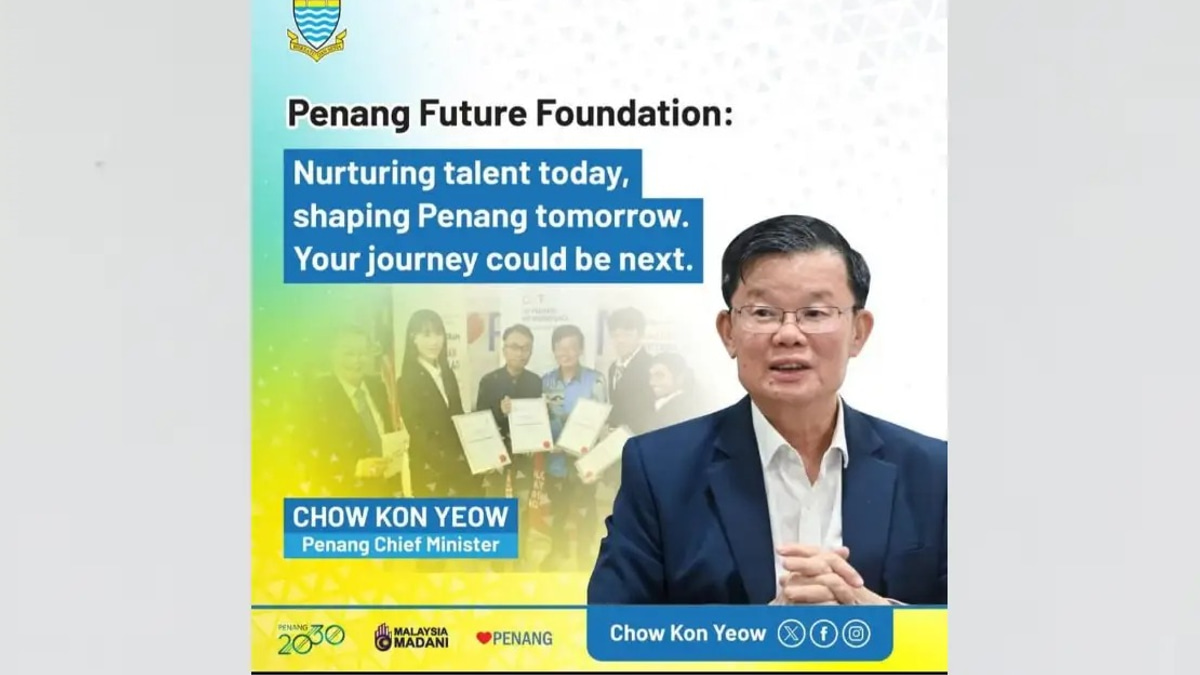
The dinner reflected the growing significance of press freedom and media credibility within regional discourse. By assembling such a diverse gathering of media leadership—spanning local Chinese, Malay, English and international news organisations—the event underscored Penang's commitment to supporting a pluralistic media ecosystem. The presence of Penang Chief Minister Chow Kon Yeow and Communications Minister Datuk Fahmi Fadzil demonstrated the government's recognition that an informed and ethically grounded press remains essential to national development and democratic governance.
Among the distinguished attendees were prominent figures from Malaysia's major newsrooms. Media Prima's Farrah Naz Karim, Sin Chew Daily's Chan Aun Kuang, Star Media Group's Datin Paduka Esther Ng Sek Yee, Daily Express Sabah's Datuk Sardahthisa James, and Astro Awani's Zaiful Mohd Ariffin represented the breadth of Malaysia's commercial media landscape. Their participation alongside Bernama leadership—including Chairman Datuk Seri Wong Chun Wai and CEO Datin Paduka Nur-ul Afida Kamaludin—highlighted the collaborative spirit increasingly characterising the domestic news industry, even as media organisations compete intensely for audiences and advertising revenue.
The international dimension of the celebration proved particularly noteworthy for Southeast Asian media development. Delegates from neighbouring countries included Timor-Leste's Secretary of State for Social Communication Expedito Loro Dias Ximenes and the head of Timor-Leste's national news agency TATOLI, Noemio Mateus Soares Falcao. Indonesia's ISWAMI chapter president Asro Kamal Rokan and ANTARA Bureau Chief Rangga Pandu Asmara Jingga also attended, reflecting deepening media ties across the region. Such cross-border engagement signals HAWANA's evolution into a platform for addressing shared journalistic challenges—from combating misinformation to maintaining editorial independence amid political pressures.
The formal HAWANA 2026 conference would commence the following day at the PICCA Convention Centre near Butterworth, with Prime Minister Datuk Seri Anwar Ibrahim scheduled to officiate proceedings. Organisers anticipated approximately 1,000 media practitioners from Malaysia and several ASEAN nations would participate in the three-day event, which carries the theme 'Media Integrity Strengthens Credibility'. This thematic choice reflects contemporary concerns about journalistic standards and public trust in news media—issues particularly acute in Southeast Asia, where misinformation campaigns and state pressure on critical reporting remain persistent challenges.
The HAWANA conference itself is positioned as an annual celebration of Malaysian journalism's professionalism and ethical standards, organised jointly by the Communications Ministry and implemented by Bernama, the national news agency. By designating dedicated space for examining media integrity, the event acknowledges the profession's complex positioning: journalists must balance commercial pressures, political sensitivities, audience expectations, and their own professional obligations. For Malaysian media, which operate within a regulatory framework that includes the Communications and Multimedia Act and Print Media Regulation, such forums provide valuable opportunities to discuss industry standards and best practices.
Parallel to the conference, organisers launched the RIUH Pi HAWANA Carnival, a three-day public festival beginning the evening of the governor's dinner at the Butterworth Arena. This carnival component represents an innovative approach to public engagement with media issues, moving beyond industry-focused conferences to involve the general population. Organisers projected approximately 30,000 visitors would attend the carnival, which featured over 24 local creative product brands, 20 food and beverage vendors, and interactive creative workshops designed to demystify media production and creative industries for ordinary citizens.
The carnival's entertainment programme reflected contemporary Malaysian popular culture, with 16 stage performances scheduled featuring local artists including rock bands Exists and Bunkface, singer Masdo, Sakura Band, Budak Nakal Hujung Simpang, and performer Chelsea Ng. By offering free admission and emphasising entertainment alongside workshops, the carnival bridged the gap between media professionals gathered for HAWANA and the broader public, tacitly acknowledging that sustainable media credibility depends partly on public understanding of journalistic processes and creative work.
The scale and composition of HAWANA 2026 reflected broader regional trends in media development. Across Southeast Asia, news organisations grapple with digital transformation, audience fragmentation, declining print revenues, and competition from social media platforms. Malaysia's media sector, whilst relatively mature and diverse by regional standards, faces similar structural pressures. The HAWANA platform provides space for Malaysian editors and journalists to benchmark their practices against regional peers, exchange approaches to digital storytelling, and collectively advocate for policies supporting sustainable journalism.
The regional representation at HAWANA also signalled growing recognition of shared challenges facing ASEAN media communities. Press freedom indices regularly document concerns about editorial independence across the region, whether through formal censorship, advertising boycotts, legal harassment of journalists, or regulatory restrictions. By convening journalists from multiple countries—including those from nations with stricter media environments—HAWANA creates opportunity for informal knowledge exchange and solidarity among practitioners committed to professional journalism standards.
For Malaysian readers and media professionals, the HAWANA 2026 celebration underscored that local journalism operates within a dynamic regional context. The quality and independence of Malaysian news coverage influences not only domestic discourse but also regional perceptions of events and issues. Similarly, developments in neighbouring countries' media sectors—whether regulatory changes, technological innovations, or shifts in editorial approaches—hold implications for Malaysian newsrooms and audiences consuming cross-border media content. The presence of international delegates reflected this interdependence, positioning Malaysia as a centre for serious discussion about journalism's future in Southeast Asia.