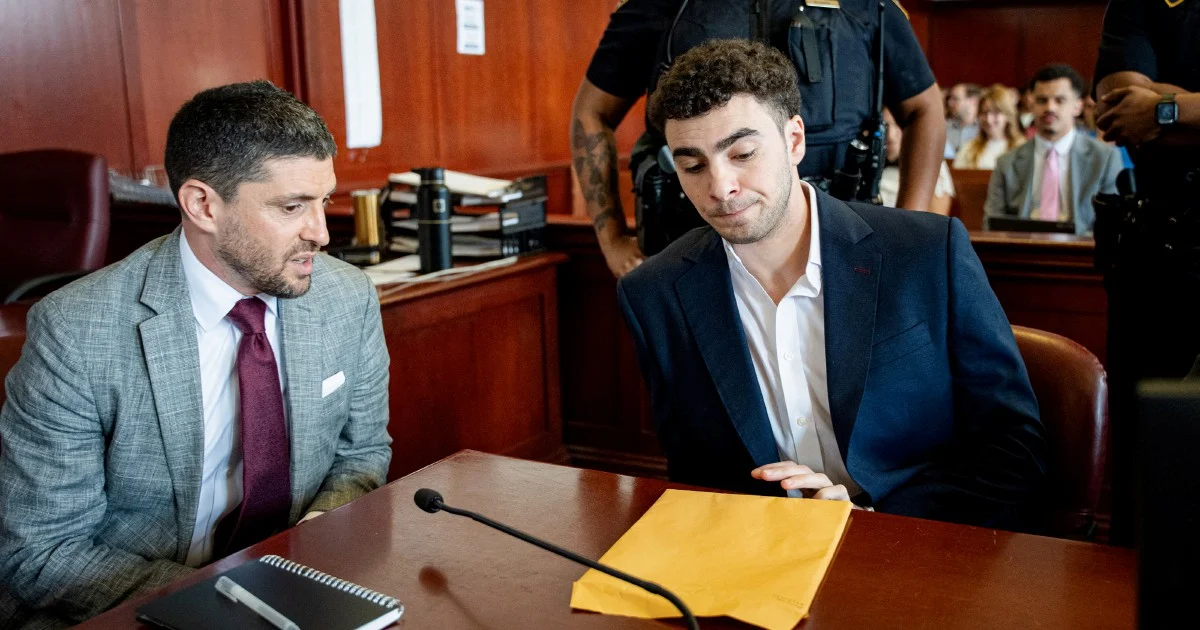
Luigi Mangione, charged with the fatal shooting of a prominent health insurance executive on a Manhattan street, has decided to set aside his mental health defence strategy for the upcoming trial. The decision emerged through a court filing submitted on Friday, signalling a tactical shift in how his legal team intends to approach the high-profile case.
The withdrawal of plans to introduce evidence of severe mental health disturbance marks a significant development in a case that has captivated public attention since the incident occurred. By choosing not to present such evidence at this stage, Mangione's defence team appears to be recalibrating its approach, though the reasons behind this strategic decision remain subject to legal and analytical interpretation. Courts often allow defendants to reserve the right to introduce such evidence later, meaning the door to this defence has not necessarily been closed permanently.
Mental health defences in homicide cases typically require extensive expert testimony and psychiatric evaluation. They can prove double-edged, potentially providing mitigation during sentencing while simultaneously inviting prosecution scrutiny into the defendant's state of mind. For a case with such prominence and intense media coverage, defence teams must weigh whether introducing psychological evidence serves their overall strategy or merely provides additional avenues for prosecution counterarguments.
The Manhattan case represents one of several high-profile incidents involving corporate executives in recent years, reflecting broader tensions in American society regarding healthcare access and insurance industry practices. The victim's prominence in the health insurance sector had drawn considerable public commentary, with some observers viewing the incident within the context of systemic healthcare frustrations.
Managione's legal proceedings will unfold against a backdrop of unprecedented public and media interest. The case has generated significant discussion about mental health resources, corporate accountability, and the criminal justice system's approach to defendants with psychological challenges. How his defence strategy ultimately develops could influence perceptions of mental health considerations in similar cases throughout the American legal system.
Retaining the flexibility to introduce mental health evidence at later stages of trial allows Mangione's counsel to assess how proceedings develop and whether such testimony becomes strategically advantageous. Defence teams frequently make tactical adjustments as trials progress, responding to how evidence unfolds and how judges rule on contested motions. This approach preserves options while potentially avoiding early disclosure of psychiatric findings to prosecutors.
For Malaysian and Southeast Asian legal observers, the case illustrates how different jurisdictions handle mental health considerations in serious criminal prosecutions. While Malaysian courts recognise insanity defences under the Penal Code, the evidentiary standards and procedural mechanisms differ substantially from American federal systems, making comparative study valuable for legal professionals across the region.
The shooting itself sparked considerable debate about security measures protecting corporate executives and the accessibility of firearms. These dimensions have resonated internationally, with observers noting how incidents in developed democracies can reflect broader systemic issues affecting societies globally. The case continues generating commentary about corporate responsibility, healthcare system shortcomings, and mental health support availability.
Managione's decision reflects the complex calculations defence teams undertake when representing clients in capital or near-capital murder cases. Attorneys must balance the potential benefits of mitigating evidence against risks of strengthening prosecution narratives or prejudicing judges and juries through early disclosure of sensitive psychiatric information. The strategic nature of such decisions underscores why high-profile cases often involve multiple tactical adjustments.
As the case progresses through the judicial system, observers will monitor how other defence strategies emerge and whether psychological factors eventually become central to trial proceedings. The withdrawal of current plans does not suggest these issues lack importance, but rather that Mangione's legal team has determined alternative approaches may better serve their client's interests at present.
The case continues to evolve through the American legal system, with each procedural development attracting scrutiny from legal professionals, media commentators, and citizens following the matter. For those interested in understanding how contemporary criminal justice systems address mental health, corporate crime, and public safety, the Mangione proceedings offer instructive examples of how competing values and legal principles intersect in high-stakes litigation.