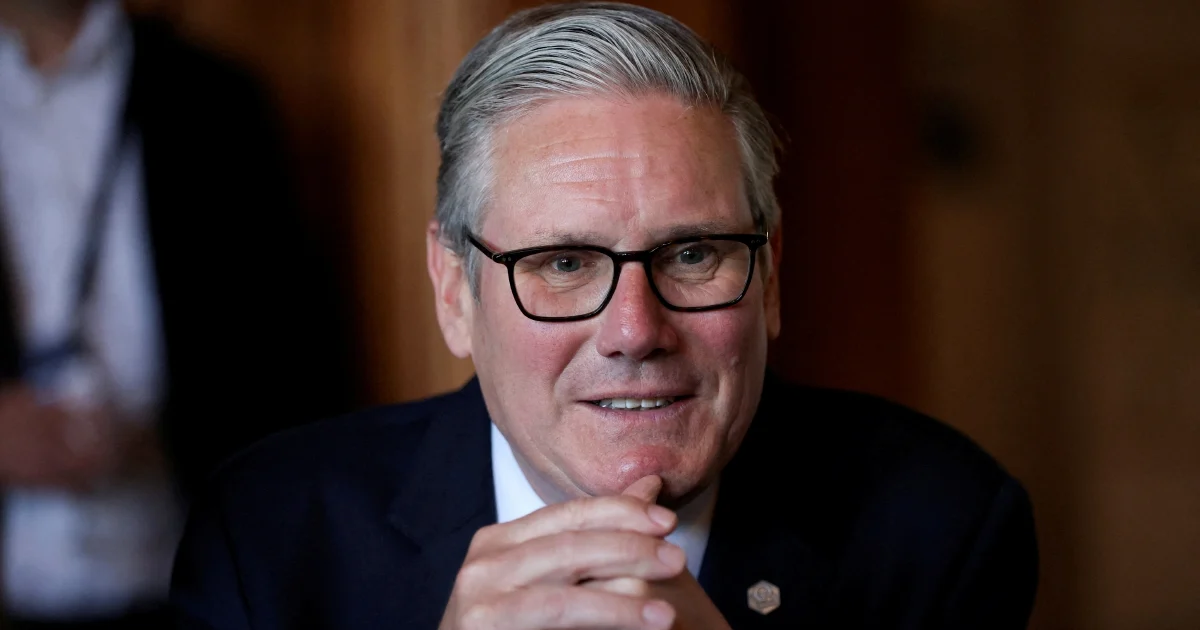
Speculation over the future of British Prime Minister Keir Starmer intensified when the Observer newspaper reported that he was preparing to step down from office, potentially announcing a resignation timetable as early as Monday. The claim sent shockwaves through Westminster political circles and sparked immediate scrutiny of the government's stability at a time when the UK faces mounting economic and social pressures. However, official government sources quickly moved to quash the narrative, asserting that Starmer remained entirely committed to his role and was focused on executing his agenda.
The timing of such reports carries particular significance for Southeast Asia and Malaysia, where political stability in key Western allies directly influences regional trade relationships, security partnerships, and diplomatic engagement. The UK remains a significant trading partner for Malaysia and a crucial participant in Indo-Pacific security frameworks, making any disruption to its political leadership a matter of regional concern. Market volatility often follows leadership crises in major economies, and Malaysian investors with exposure to British assets would have watched these reports closely.
The denial issued by government sources represents standard damage control in response to what officials characterised as premature or speculative reporting. Rather than engaging substantively with the Observer's specific allegations, the government's response focused on reasserting Starmer's commitment to the job and his determination to push forward with the government's legislative and policy agenda. This defensive posture suggests the Prime Minister's office viewed the resignation narrative as sufficiently damaging to warrant immediate public contradiction.
Understanding the context behind such reports requires awareness of the pressures currently bearing down on the Starmer administration. Since taking office, the government has confronted considerable domestic challenges ranging from economic stagnation to public sector strikes, declining living standards, and deteriorating public confidence in institutions. These headwinds create an environment where any hint of wavering leadership can be swiftly amplified by media outlets and interpreted as a sign of deeper governmental dysfunction.
The Observer's reporting, regardless of its accuracy, reflects the intense scrutiny applied to modern political leaders in established democracies. In an era of constant media scrutiny and rapid information dissemination, even unverified claims about a leader's intentions can gain significant traction before being definitively refuted. This dynamic has become particularly pronounced in the UK political landscape, where the previous decade witnessed multiple unexpected leadership transitions and the rise of unpredictable political outcomes.
Government denials in such circumstances serve multiple purposes beyond simply contradicting the claim itself. They signal to cabinet members, backbench MPs, and party supporters that the leadership considers itself secure and is not entertaining thoughts of departure. They also aim to project confidence to international partners and investors who rely on political continuity for planning purposes. For Malaysia and other regional powers engaged in strategic dialogue with Britain, such assurances about leadership stability matter considerably when negotiating long-term agreements.
The broader political environment in Britain at present suggests that such resignation speculation, whether grounded or fanciful, will likely persist. The government's popularity ratings have fluctuated, and internal party dynamics occasionally surface tensions that feed into narratives about leadership durability. Against this backdrop, maintaining a united public front becomes essential for any administration seeking to retain credibility and momentum on its policy initiatives.
For Malaysian observers of British politics, these developments underscore the challenges faced by modern centre-left governments attempting to govern in an era of polarisation, high public expectations, and immediate media amplification of any perceived weakness. The Starmer administration's approach to such challenges will influence how observers globally perceive the resilience of democratic institutions and the capacity of elected leaders to sustain political authority.
The government's insistence that Starmer remained focused on his responsibilities must be understood as part of a broader effort to maintain narrative control during a period of considerable political sensitivity. Whether this latest controversy fades quickly or persists as a defining moment in the Starmer premiership may depend substantially on whether concrete policy successes emerge in the coming weeks and months that demonstrate the government's capacity to deliver tangible improvements for British voters.