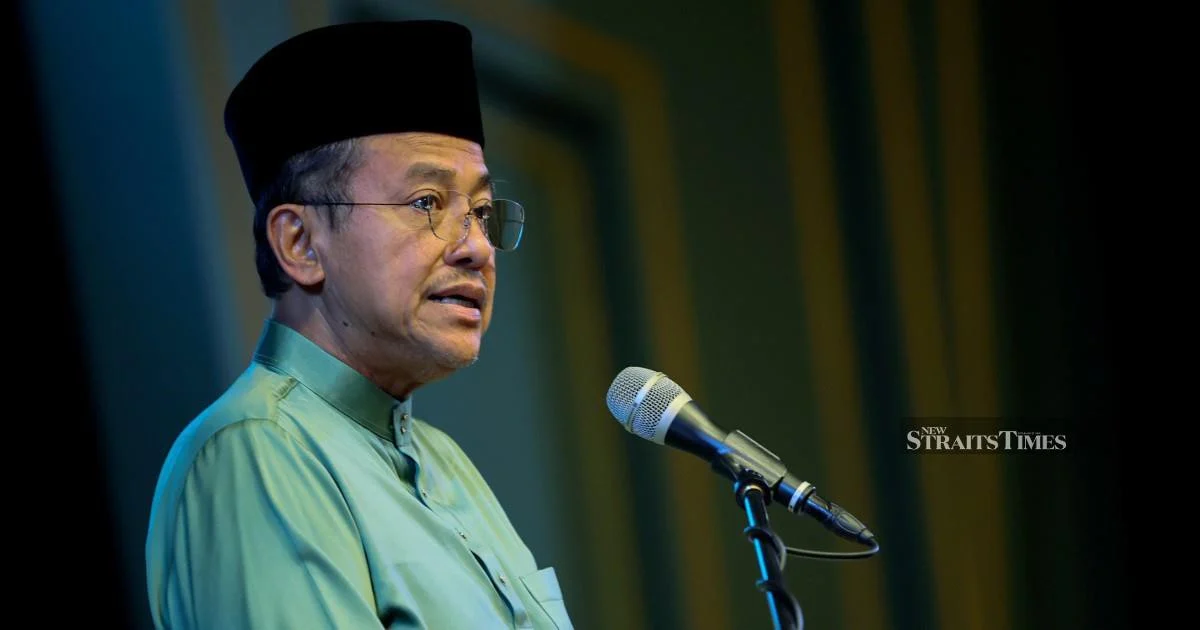
The Perikatan Nasional opposition coalition plans to hold a critical leadership meeting tomorrow in which senior figures will examine Bersatu's role and standing within the broader PN alliance, according to Pas vice-president Datuk Seri Dr Ahmad Samsuri Mokhtar. The gathering represents a significant moment for the coalition as it navigates ongoing questions about internal cohesion and the strategic positioning of its component parties.
Bersatu's status within PN has been a subject of increasing attention in Malaysian political circles, particularly as the coalition seeks to consolidate its opposition presence ahead of future electoral contests. The party, founded by former Prime Minister Mahathir Mohamad, joined PN during the government's previous administration but has faced periodic scrutiny regarding its alignment with other coalition partners, particularly Pas and the Democratic Action Party (DAP).
The decision to place Bersatu's position on tomorrow's agenda underscores lingering tensions or clarifications needed within the alliance. Such high-level discussions typically occur when coalition members need to reaffirm commitments, resolve disputes, or recalibrate their collective strategy. For opposition coalitions in Malaysia, maintaining unity has historically proven challenging, with various parties holding differing ideological positions and electoral ambitions.
Pas, which controls several state governments including Kelantan and Terengganu, remains one of PN's most powerful components. The Islamic party's willingness to publicly acknowledge discussions about Bersatu suggests that the matter carries sufficient weight to warrant broader leadership attention. This openness also reflects the coalition's need to manage its public narrative carefully, avoiding perceptions of instability that could undermine its positioning as a credible alternative government.
For Malaysian observers, the meeting's outcome carries implications beyond PN's internal dynamics. The opposition coalition's coherence directly influences the political equilibrium in Parliament and shapes the broader competitive landscape between PN, the ruling Pakatan Harapan government, and other political actors. A strengthened or clarified position for Bersatu could either reinforce PN's institutional stability or highlight unresolved frictions that might surface during future campaigns or legislative votes.
Bersatu's journey within PN reflects the complicated nature of Malaysian coalition politics, where pragmatic alliances often coexist with ideological differences. The party's presence brings electoral weight, particularly in certain constituencies and demographic segments, but also raises questions about ideological coherence given PN's heterogeneous composition. The tomorrow's discussion may address resource allocation, campaign coordination, or fundamental questions about shared policy platforms.
Regional observers also monitor such developments closely. Southeast Asian politics increasingly features coalition-building and alliance management at the national level, making Malaysia's PN developments relevant to understanding broader trends in the region's democratic systems. How successful PN proves at managing internal diversity could offer lessons for other opposition coalitions across the region.
The timing of this meeting, announced by a senior Pas figure, also suggests coordination among PN's leadership structures. Ahmad Samsuri Mokhtar's public statement indicates that the discussion enjoys at least tacit support from Pas's hierarchy, one of the most institutionally significant parties within the coalition. This reduces the possibility that tomorrow's meeting represents an unexpected confrontation and instead suggests a planned recalibration of coalition positions.
For Bersatu members and supporters, the discussion may either clarify the party's strategic direction within the opposition or introduce new uncertainties. Political parties operating within coalitions must balance their individual organizational interests with collective coalition objectives, a tension that regularly surfaces in Malaysian politics. The outcome of tomorrow's meeting will reveal whether PN's leaders perceive Bersatu as requiring stronger anchoring within the coalition or whether the discussion serves primarily to reaffirm existing arrangements.
The broader context includes Malaysia's government stability concerns and the persistent fragmentation of the political landscape following the 2022 elections. PN's internal cohesion directly impacts its ability to present a unified opposition front and maintain consistency in parliamentary support or opposition to government legislation. These dynamics ripple through state-level politics as well, influencing coalitional arrangements in state assemblies and municipal governance.
As PN prepares for this significant meeting, the coalition faces the continuing challenge of maintaining relevance in Malaysian politics while accommodating parties with distinct constituencies and policy preferences. Tomorrow's discussion about Bersatu's position represents more than a procedural matter—it reflects the ongoing negotiation required to sustain opposition coalitions in Malaysia's competitive and occasionally volatile political environment.
%22%2F%3E%3C%2Fpattern%3E%3C%2Fdefs%3E%3Crect%20width%3D%22100%25%22%20height%3D%22100%25%22%20fill%3D%22url(%23ph3cdu7g)%22%2F%3E%3Crect%20width%3D%22100%25%22%20height%3D%22100%25%22%20fill%3D%22url(%23ph3cdu7p)%22%2F%3E%3Ctext%20x%3D%2250%25%22%20y%3D%2250%25%22%20text-anchor%3D%22middle%22%20dominant-baseline%3D%22central%22%20fill%3D%22rgba(255%2C255%2C255%2C0.95)%22%20font-family%3D%22Georgia%2C%20'Times%20New%20Roman'%2C%20serif%22%20font-weight%3D%22700%22%20font-size%3D%22320%22%20letter-spacing%3D%22-0.02em%22%3EData%3C%2Ftext%3E%3C%2Fsvg%3E)
%22%2F%3E%3C%2Fpattern%3E%3C%2Fdefs%3E%3Crect%20width%3D%22100%25%22%20height%3D%22100%25%22%20fill%3D%22url(%23ph1nj3dg)%22%2F%3E%3Crect%20width%3D%22100%25%22%20height%3D%22100%25%22%20fill%3D%22url(%23ph1nj3dp)%22%2F%3E%3Ctext%20x%3D%2250%25%22%20y%3D%2250%25%22%20text-anchor%3D%22middle%22%20dominant-baseline%3D%22central%22%20fill%3D%22rgba(255%2C255%2C255%2C0.95)%22%20font-family%3D%22Georgia%2C%20'Times%20New%20Roman'%2C%20serif%22%20font-weight%3D%22700%22%20font-size%3D%22151%22%20letter-spacing%3D%22-0.02em%22%3ETraveller%3C%2Ftext%3E%3C%2Fsvg%3E)