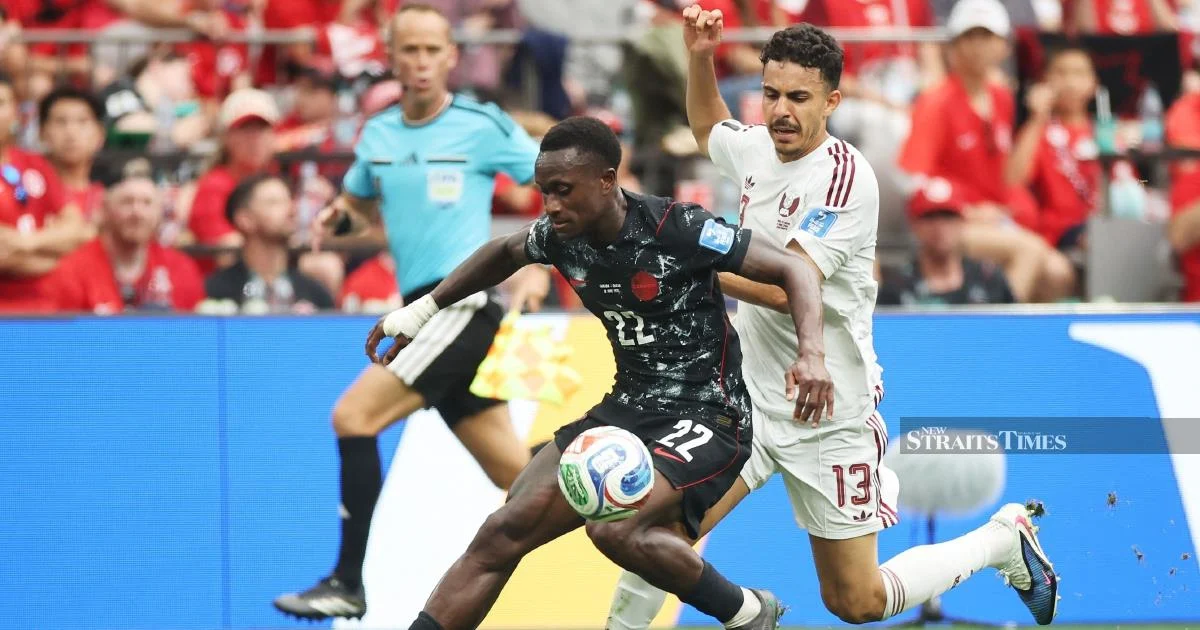
Qatar's footballing ambitions suffered a crushing blow with a 6-0 defeat to Canada at the World Cup, a result that has prompted serious reflection on whether vast financial resources can genuinely transform a nation into a competitive football power. The overwhelming margin of defeat has become emblematic of deeper structural problems within Qatar's football ecosystem, despite the country's extraordinary spending on player recruitment, infrastructure, and coaching talent.
The scale of Qatar's financial commitment to football is well documented. The emirate has invested billions in developing its domestic league, acquiring international talent, and constructing state-of-the-art training facilities. Yet the Canada match exposed the critical gap between financial expenditure and actual competitive performance on the pitch. This distinction matters particularly for Southeast Asian nations watching Qatar's trajectory, as several Malaysian-based clubs and neighbouring countries have similarly pursued ambitious spending strategies with mixed results.
Experts point to a fundamental misunderstanding embedded in Qatar's approach: the assumption that importing established stars and modern facilities would rapidly generate a cohesive, competitive national team. The reality is far more complex. Building a successful football nation requires decades of systematic youth development, coaching infrastructure, and grassroots participation. These elements cannot be fast-tracked, regardless of capital investment. Countries like Germany and France developed their current strength through long-term institutional commitment spanning generations, not sudden infusions of wealth.
Qatar's squad composition reveals another critical weakness. The team has relied heavily on recruiting players with Qatari citizenship acquired in recent years, rather than homegrown talent developed through local youth systems. This approach creates immediate availability of experienced players but undermines team cohesion, shared understanding, and the development of authentic domestic talent pipelines. The contrast with traditional football nations, where international teams emerge naturally from robust domestic competitions, illustrates why quick-fix solutions consistently fail.
The Canadian victory, meanwhile, demonstrated the value of stability and developmental consistency. Canada's football programme has evolved gradually, building competitive depth across multiple tiers. While Canada possesses significant financial resources, their football success has been earned through sustained institutional effort rather than sudden spending surges. This model offers lessons for ambitious nations in Asia and beyond that seek sustainable competitive improvement.
From a Southeast Asian perspective, Qatar's experience carries particular resonance. Malaysia and neighbouring countries have occasionally pursued similar strategies of attempting to leapfrog traditional development pathways through targeted investments. The Qatar case provides cautionary evidence that such approaches, while occasionally delivering short-term improvements, cannot substitute for long-term structural development. Clubs and national programmes across the region should recognise that competitive football success requires patience and consistency rather than periodic financial splurges.
The domestic league quality issue compounds Qatar's problems. Even with imported talent, the domestic Al-Kass League lacks the competitive intensity of established European competitions. Players integrated into weaker domestic leagues struggle to maintain peak physical condition and tactical sharpness. This reality affects both recruited international players and locally developed talent, as the standard of daily competitive training remains below world-class levels.
Qatar's World Cup campaign, held in the familiar surroundings of the region's own facilities, was supposed to provide competitive advantage. Instead, the 6-0 defeat suggests that home advantage provides minimal benefit when fundamental gaps exist in team quality and integration. The result underscores that successful football nations require holistic excellence across player development, coaching education, competition standards, and tactical sophistication—qualities that cannot be acquired through spending alone.
Looking forward, Qatar faces difficult choices about its football strategy. Continuing current approaches risks further embarrassment on the international stage. Alternatively, pivoting toward genuine long-term development would require accepting a transitional period of competitive struggle whilst youth systems mature. Such patience contradicts the rapid gratification mentality that has characterised the nation's football investments to date.
For Malaysian stakeholders observing this situation, the implications are clear. Sustainable football development demands commitment to youth academies, coaching education, and domestic competition improvement—investments that yield results over decades rather than months. Quick financial interventions, while potentially generating headlines, typically deliver disappointment when measured against international benchmarks. Qatar's World Cup experience provides expensive confirmation of a lesson that other nations should absorb without requiring personal experience.