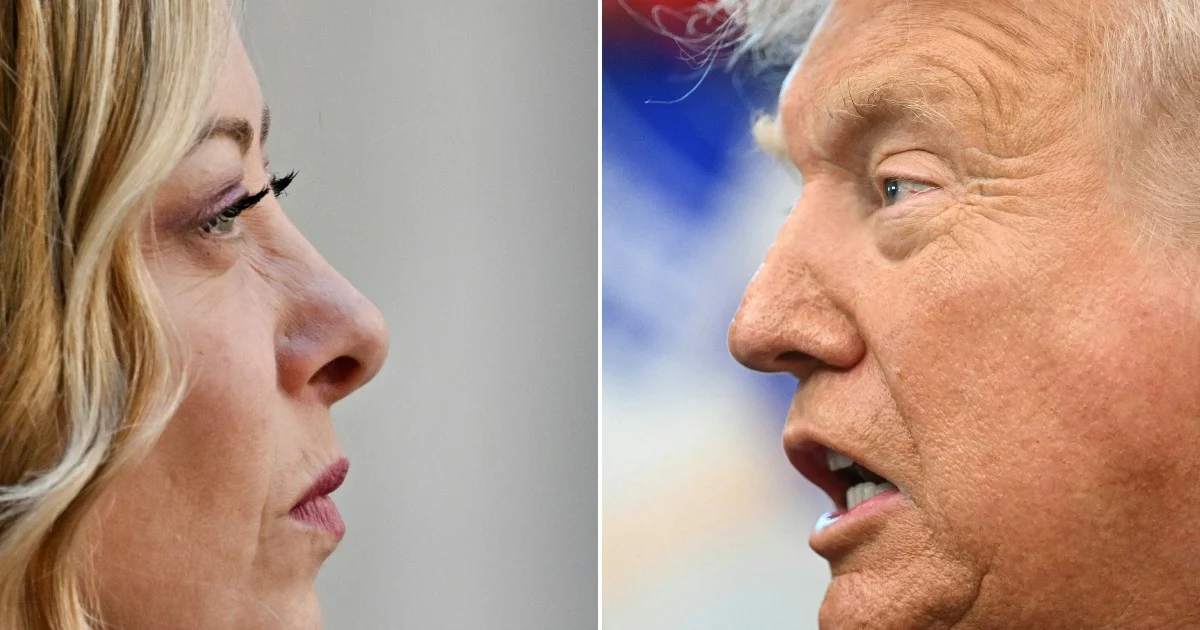
The diplomatic tensions between Washington and Rome took a sharper turn on Saturday when US President Donald Trump publicly escalated his criticism of Italian Prime Minister Giorgia Meloni, moving beyond simple protocol disputes to encompass substantive policy differences. Trump's fresh salvo focused on Meloni's alleged efforts to secure a photograph with him at recent G7 proceedings, but his comments revealed underlying friction that extends far beyond social pleasantries or photo-line etiquette at international summits.
The core complaint from Trump centers on what he characterised as Meloni's persistent pursuit of a bilateral moment for photographic purposes. Such incidents at high-level international gatherings are typically choreographed by diplomatic staff to ensure equitable coverage and representation of participating nations. However, Trump's public airing of the matter suggests deeper frustration with the Italian leader's positioning on his administration's priorities and strategic objectives, particularly concerning America's approach to adversaries and alliance management.
What distinguishes this exchange from typical diplomatic sparring is Trump's deliberate decision to connect photographic disputes to substantive geopolitical disagreements. By explicitly linking the photo controversy to broader tensions over Iran policy and NATO obligations, Trump signalled that the row reflects genuine policy divergences rather than mere personality clashes. This bundling of complaints indicates the administration views Italy's approach to key international security issues as insufficiently aligned with American interests and strategic doctrine.
The invocation of Iran in this context carries particular weight for Southeast Asian observers. American pressure campaigns against Tehran influence regional security calculations throughout Asia, affecting trade routes, energy security, and alignment decisions for countries throughout the Indian Ocean and Western Pacific regions. Italy's willingness to maintain certain diplomatic and economic channels with Iran has occasionally diverged from Washington's maximalist approach, creating friction within the Western alliance that reverberates across global forums.
NATO tensions referenced by Trump similarly hold implications well beyond the Atlantic alliance. European defence spending patterns, burden-sharing arrangements, and strategic deployments affect American commitment to regional security partnerships worldwide. If Italy—a founding NATO member with significant Mediterranean influence—finds itself at odds with Washington over defence contributions or alliance direction, this sends signals about alliance cohesion that resonate throughout Indo-Pacific strategic communities and among America's other allies seeking reassurance about Washington's reliability.
Meloni's government has positioned itself as a right-wing, nationalist administration focused on Italian interests, which occasionally creates friction with traditional multilateral approaches. Her reluctance to embrace certain European Union positions or American preferences reflects domestic political pressures and a desire to demonstrate independence from Brussels and Washington. This tension between transatlantic alignment and assertions of national autonomy has become increasingly evident across multiple policy domains, suggesting systemic rather than personal differences between the two leaders.
The timing and public nature of Trump's escalation warrant scrutiny. Rather than pursuing quiet diplomatic channels to resolve differences, the American president's willingness to air grievances publicly suggests either confidence in his position or frustration with behind-the-scenes engagement. For other American allies watching this interaction, the approach offers insight into how the administration resolves disputes and whether private diplomatic efforts precede public criticism or whether public pressure serves as the primary negotiating tool.
From an Italian perspective, the dispute presents a delicate balancing challenge. Rome maintains substantial interests in preserving American security guarantees and NATO membership benefits while attempting to forge an independent foreign policy that reflects domestic political realities and Italian strategic interests in the Mediterranean and beyond. Public friction with Washington complicates Italy's ability to pursue this balance, potentially limiting diplomatic flexibility on issues where American and Italian preferences diverge.
The broader European context amplifies concerns about transatlantic cohesion. France, Germany, and other major EU members have experienced their own tensions with Washington over various policy matters. If Italy becomes a flashpoint for American frustration with allied performance, this could intensify existing debates within Europe about strategic autonomy and the sustainability of traditional Atlantic partnerships. Such doubts affect not merely European politics but also influence how Asian allies calculate their own positioning between American and Chinese spheres of influence.
The unresolved nature of this dispute, combined with Trump's evident willingness to pursue public confrontation, suggests the row may persist and potentially expand to encompass additional policy disagreements. Neither leader has demonstrated inclination toward rapid de-escalation, and the public nature of the exchange makes face-saving retreats more difficult for both parties. This dynamic could constrain cooperation on issues where American and Italian interests might otherwise align, from counterterrorism efforts to Mediterranean security arrangements.
For Southeast Asian strategists and policymakers, this transatlantic turbulence carries implications for American strategic focus and alliance management reliability. Extended diplomatic entanglements between Washington and European allies could complicate American attention to Indo-Pacific priorities. Additionally, how the Trump administration handles disagreements with traditional allies provides revealing indicators about negotiating style and alliance expectations that regional partners must carefully evaluate when determining their own strategic positioning and risk calculations regarding great power competition.