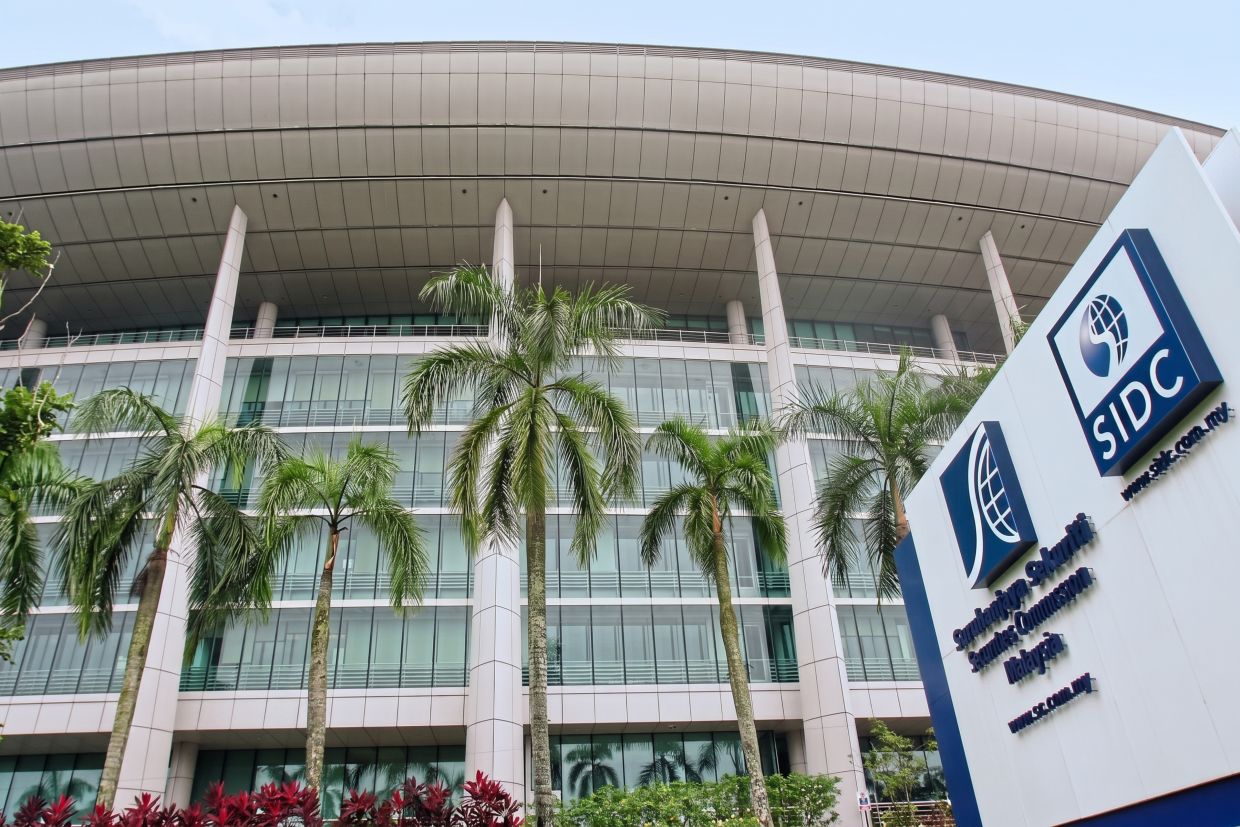
The Securities Commission Malaysia has initiated legal proceedings against three brothers—Anuar Hassan, Mohd Amin Hassan, and Amir Hassan—on multiple charges relating to unauthorised capital market operations. Spanning separate Sessions Court hearings in Kuala Lumpur, the charges represent a significant enforcement action aimed at cracking down on unlicensed financial intermediaries operating within Malaysia's securities landscape.
The charges levelled against the trio centre on breaches of the Capital Markets and Services Act 2007, specifically section 58(1), which governs the dealing of securities. According to the SC's enforcement division, the brothers allegedly engaged in systematic securities dealing activities without obtaining the mandatory Capital Markets Services Licence required by the regulatory body. Such unlicensed operations represent a material threat to retail investors and undermine the integrity of Malaysia's regulated capital markets, which rely on SC oversight to protect market participants from fraudulent schemes and unqualified intermediaries.
Mohd Amin Hassan faces a singular charge under section 58(1) of the CMSA and has been released on bail set at RM30,000, secured by two Malaysian sureties. His conditions include surrendering his passport to the court and submitting to monthly reporting requirements with the SC's investigating officer. These restrictions are designed to ensure his attendance at trial proceedings and prevent potential flight risk, a standard precaution in financial crimes cases involving significant reputational and flight incentives.
Anuar and Amir were jointly charged with two counts under section 58(1) of the CMSA, with these charges read in conjunction with section 34 of the Penal Code, which addresses abetment and conspiracy. Each received bail of RM30,000 with two sureties and identical reporting conditions. The invocation of the Penal Code section suggests the SC's investigation uncovered evidence of deliberate coordination or mutual assistance among the defendants in perpetrating the unlicensed activities.
Additionally, Amin and Amir faced a combined charge under section 58(1) read with section 34 of the Penal Code, receiving individual bail of RM20,000 with two sureties respectively. Amir separately confronted two further charges under section 58(1) alone, with bail set at RM30,000. The multiple charges against individual defendants indicate the brothers likely engaged in separate transactions or engaged in repeated violations across different timeframes or locations, each constituting distinct offences under securities law.
Anuar and Amin were also jointly charged with one count under section 58(1) read with section 34 of the Penal Code, receiving bail at RM30,000 each with two sureties. Anuar faced an additional standalone charge under section 58(1), again with RM30,000 bail. The cumulative effect of these charges suggests a pattern of behaviour spanning several individuals and potentially numerous transactions, rather than isolated or accidental violations.
The alleged misconduct occurred between March 2019 and October 2019, spanning a geographical footprint that included Kuala Lumpur, Putrajaya, Selangor, and Johor. This multi-state distribution suggests the brothers may have operated a network facilitating unlicensed securities transactions across the Klang Valley region and southern peninsular Malaysia, potentially reaching a substantial client base without proper regulatory oversight or investor protection mechanisms.
All defendants have opted to proceed to trial, maintaining their not-guilty positions on the charges. This decision means the SC will bear the burden of presenting evidence demonstrating the brothers' knowledge and intentional disregard of licensing requirements, as well as documenting the specific transactions constituting the alleged offences. Given the complexity of capital markets cases and the technical documentation involved, such trials typically extend over months.
The potential sentences carry substantial deterrent value. Conviction could result in fines reaching RM10 million per charge or custodial sentences up to 10 years, or a combination of both penalties. For serious repeat offenders, courts may apply sentences consecutively, substantially increasing the prison terms faced. These penalties reflect Parliament's intent to prosecute securities violations with considerable severity, recognising the systemic risk posed by unregulated market intermediaries to investor confidence and market stability.
This enforcement action aligns with the SC's broader regulatory priorities under its capital markets masterplan initiatives, which emphasise strengthening market integrity and combating unauthorised financial services operators. Malaysia's retail investor base remains vulnerable to unlicensed operators promising high returns or leveraged investment schemes, and prominent prosecutions serve to educate the public about the importance of verifying adviser credentials through the SC's official registry.
The case carries implications for Malaysia's financial services ecosystem by reinforcing that operating without proper licensing represents a serious criminal matter rather than merely a regulatory compliance lapse. For the securities industry, the prosecution underscores the competitive disadvantage legitimate, licensed advisers face when competing against unscrupulous operators unburdened by compliance costs, training requirements, and capital adequacy standards. The SC's active enforcement therefore protects both consumers and the industry's long-term sustainability and reputation.

