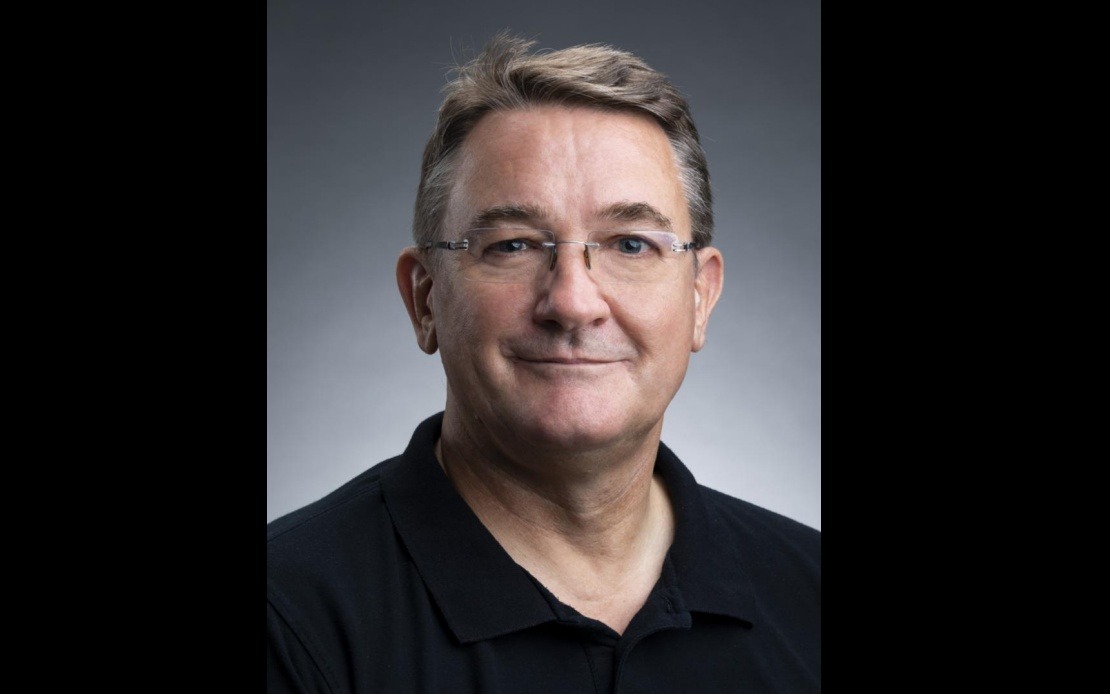
Dr David Lacey, a prominent figure in Malaysia's semiconductor industry and current chairman of the Semiconductor Fabrication Association of Malaysia (SFAM), has assumed the role of British Honorary Consul in Penang. The 60-year-old takes over from Datuk Robert Hawkins, whose two-decade tenure concluded following a retirement that marks the end of an extended period of diplomatic representation in the northern state.
British High Commissioner to Malaysia Ajay Sharma acknowledged the transition in a statement released through the British High Commission's Kuala Lumpur office, emphasising that Lacey's appointment reflects the deepening partnership between the United Kingdom and Malaysia. Sharma paid tribute to Hawkins' extensive service, recognising the significant contributions made during his 20 years representing British interests in Penang. The new appointment signals a strategic shift in how the high commission engages with Malaysia's northern corridor, particularly focusing on sectors where both nations share substantial interests and complementary capabilities.
Lacey's background positions him uniquely to strengthen bilateral ties in critical growth areas. As an experienced semiconductor industry professional who has worked across Europe, North America, and Asia, he brings substantial expertise in technology transfer and innovation ecosystems. His current position as a director at a high-tech semiconductor enterprise in Penang demonstrates his active involvement in the state's thriving tech sector, which has become increasingly important to Malaysia's economic development strategy and regional competitiveness.
The appointment carries particular significance given the United Kingdom and Malaysia's declared intention to forge a Strategic Partnership. Sharma specifically highlighted that Lacey would support the high commission's outreach efforts in technology, digital infrastructure, and artificial intelligence—sectors where both countries seek greater collaboration. This focus reflects global trends in bilateral relations, where tech-sector partnerships have become central to diplomatic engagement and economic cooperation among developed and emerging economies.
As honorary consul, Lacey will navigate a complex portfolio of responsibilities extending beyond traditional commercial promotion. The role encompasses political and academic engagement with Penang state authorities and regional institutions, requiring someone who understands both the formal machinery of government and the practical realities of business operations. Lacey's established connections with the Penang state government and the local business community provide immediate advantages in fulfilling these expectations.
Consular duties carry obligations that often operate below the public spotlight but significantly impact individual British nationals and their families. Lacey will manage critical support functions including hospital and prison assistance for UK citizens, coordinating arrangements following the deaths of British nationals abroad, and coordinating the United Kingdom's emergency response mechanisms during crises. These responsibilities demand careful judgment, cultural sensitivity, and reliable relationships with Malaysian authorities across health, law enforcement, and emergency services sectors.
Lacey's professional credentials extend beyond business leadership. He holds a Doctor of Philosophy from the University of Sussex, providing the educational foundation for his technical expertise and analytical approach to complex problems. Recognition of his contributions arrived in 2021 when Universiti Sains Malaysia conferred upon him an Honorary Doctor of Science degree, acknowledging his work supporting Malaysia's economic development objectives. This academic recognition from a leading Malaysian institution underscores the respect he has cultivated within Malaysia's research and innovation communities.
His involvement in Malaysia's broader research ecosystem further enhances his suitability for diplomatic functions. Service as a board member of Collaborative Research in Engineering, Science, and Technology (CREST) places him within networks connecting Malaysian and international research institutions. His advisory relationship with the Academy of Sciences Malaysia (ASM) provides direct access to Malaysia's scientific establishment, facilitating dialogue between British and Malaysian research communities and supporting collaborative initiatives in advanced technology fields.
Lacey's two-decade residence in Penang since 2001 gives him deep familiarity with the state's development trajectory, regional dynamics, and local decision-making structures. This extended engagement contrasts with typical diplomatic assignments and provides genuine understanding of how northern Malaysia operates economically and administratively. Such institutional knowledge, combined with his professional standing, positions him to identify and advance cooperation opportunities that might escape the attention of shorter-term diplomatic appointees.
The timing of this appointment reflects broader strategic considerations. Malaysia's semiconductor industry has grown substantially, attracting international investment and establishing the country as a significant global player in chip fabrication and supply-chain integration. The region around Penang has particularly benefited from this development, with technology clusters generating substantial economic activity and employment. UK engagement with this sector suggests recognition of Malaysia's importance in global semiconductor strategy and the potential for advanced technology cooperation.
For Malaysian stakeholders, Lacey's appointment may facilitate improved access to UK research institutions, technology transfer partnerships, and investment networks. The honorary consul system allows small nations to maintain diplomatic presence across multiple locations without the expense of full embassies, making it particularly valuable for regional economies seeking to punch above their weight in international relations. Lacey's profile suggests the British High Commission is investing in meaningful engagement rather than maintaining a ceremonial presence in Penang.
The transition also signals confidence in Malaysia's commitment to the UK relationship. Penang's position as a technology and manufacturing hub makes it strategically important for bilateral engagement. By appointing someone deeply embedded in Penang's business and research ecosystems, the high commission demonstrates willingness to ground diplomatic efforts in the practical realities of Malaysia's economic development priorities rather than conducting relations exclusively through federal capital channels.

