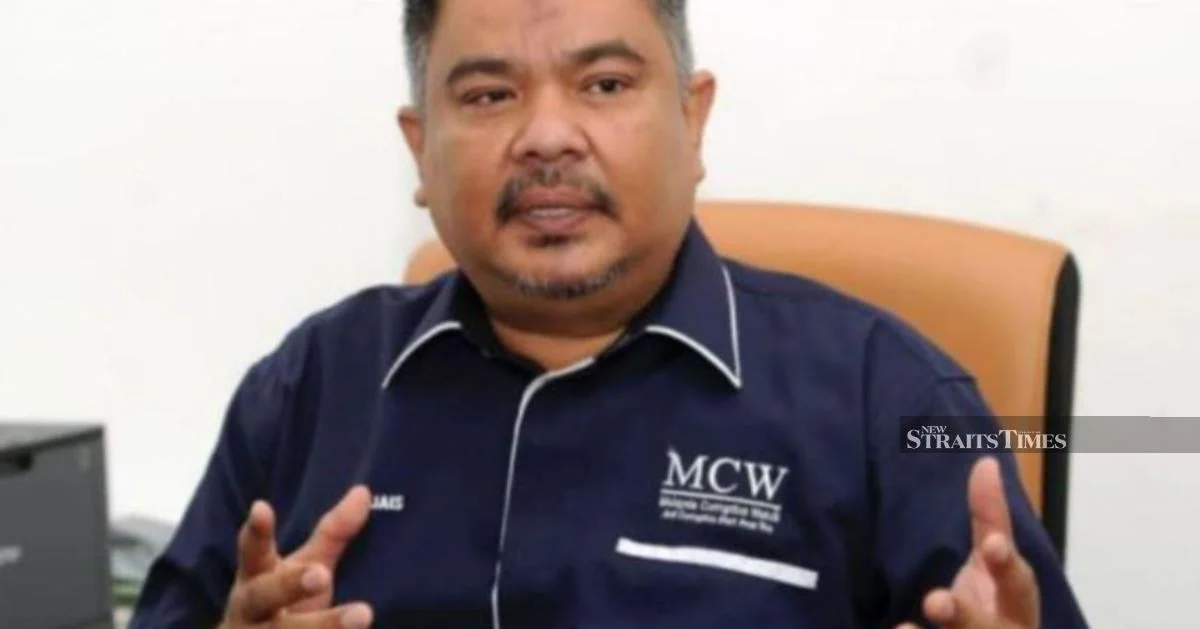
Malaysia's anti-corruption enforcement bodies should enhance public trust by disclosing their reasoning behind decisions to settle corruption cases through compounding arrangements, according to calls from a prominent anti-graft monitoring organisation. The Attorney-General's Chambers and the Malaysian Anti-Corruption Commission currently possess the legal authority to compound certain corruption-related offences, effectively allowing offenders to pay financial penalties rather than face trial. Yet the absence of published explanations for these settlement decisions has drawn scrutiny from accountability advocates who contend that greater transparency would strengthen confidence in the integrity of the nation's anti-corruption framework.
Compounding mechanisms serve a legitimate administrative function within the criminal justice system, providing prosecutors with flexibility to resolve cases efficiently while avoiding the costs and delays inherent in full trial proceedings. However, when applied to high-visibility corruption matters that command public attention, the lack of transparent reasoning can fuel suspicion that settlements reflect considerations beyond legal merit. The watchdog's position reflects growing global expectations that anti-corruption agencies justify significant enforcement decisions through reasoned public explanations, a practice that distinguishes genuine anti-graft efforts from selective prosecution driven by political or factional interests.
For Malaysian readers and regional observers, this issue carries particular weight given the country's recent history with anti-corruption enforcement. Malaysia has worked to rehabilitate its international reputation following allegations that anti-corruption mechanisms were instrumentalised for political ends during previous administrations. Published summaries of compounding decisions would provide independent auditors, civil society organisations, and the general public with concrete information to assess whether enforcement priorities align with the scale and seriousness of alleged wrongdoing.
The Attorney-General's Chambers, operating under Malaysia's prosecutorial framework, exercises broad discretion in determining whether to pursue cases through compounding or proceed to trial. Similarly, the MACC wields substantial investigative power and advisory authority over which matters merit formal prosecution. While such discretion is standard practice across common law jurisdictions, the Malaysian context demands particular vigilance given public memories of perceived politicised enforcement under the previous administration led by Prime Minister Muhyiddin Yassin, when anti-corruption bodies faced criticism for pursuing some individuals while declining to prosecute others.
Publishing summaries of compounding decisions need not compromise individual privacy or prejudice ongoing investigations. Jurisdictions including Singapore and Hong Kong have implemented disclosure practices that identify the nature of the offence, the approximate value of involved funds or benefits, and the rationale for settlement terms without revealing operational details or naming protected witnesses. Such precedents demonstrate feasibility while maintaining legitimate confidentiality protections. A standardised format—detailing the offence category, the approximate quantum of corruption involved, the compound amount imposed, and key reasoning—would provide sufficient transparency without creating administrative burden.
High-profile cases generate legitimate public interest and heightened scrutiny of enforcement outcomes. When prominent figures or politically connected individuals receive favourable settlement terms, published explanations become essential to countering perceptions of bias. Conversely, transparent disclosure allows the authorities to demonstrate that settlements reflect principled application of law rather than political accommodation. The reputational stakes extend beyond Malaysia itself; foreign investors and international partners assess governance quality partly through observable anti-corruption practices, and unexplained settlements signal weakness in the system.
The compounding power serves genuine administrative purposes—prosecutors often settle minor technical violations or cases lacking sufficient evidence for conviction without seeking public trial. However, distinguishing between routine administrative settlements and questionable deals demands transparent differentiation. A compound involving modest amounts in straightforward technical breaches deserves different treatment from settlements involving large sums or serious substantive misconduct. Published categorisation allows stakeholders to identify which cases warrant close scrutiny and which reflect routine case management.
For regional neighbours watching Malaysia's democratic institutions evolve, compounding transparency also illustrates broader institutional maturation. Countries across Southeast Asia grapple with balancing prosecutorial discretion against accountability demands. Malaysia's approach to this tension—whether enforcement bodies provide reasoning for significant decisions—signals institutional norms that influence regional governance standards. Thailand, Indonesia, and the Philippines have all experienced periods of anti-corruption politicisation, making the Malaysian experience instructive for understanding how formal transparency mechanisms support genuine accountability.
Implementing such disclosure requirements need not require legislation; the Attorney-General's Chambers and MACC could adopt voluntary transparency protocols demonstrating institutional commitment to accountability. A quarterly or annual public report summarising compounding decisions—grouped by offence type, showing settlement figures and explaining prosecutorial reasoning—would address watchdog concerns without introducing rigid bureaucratic processes. Selecting carefully a threshold for publication, such as compounds exceeding specified amounts or involving public sector employees, would ensure meaningful disclosure without overwhelming administrative resources.
The broader principle underlying this push transcends technical procedural matters. Societies transitioning away from politicised enforcement must visibly demonstrate that anti-corruption institutions operate by principle rather than preference. Published explanations for major prosecutorial decisions—whether to compound or proceed to trial—constitute concrete evidence of institutional integrity. Absence of such transparency invites the suspicion that settlements reflect behind-the-scenes political negotiation rather than legal assessment, undermining public faith in the anti-corruption system precisely when rebuilding that confidence remains essential to Malaysia's governance trajectory.
Moving forward, dialogue between anti-corruption authorities, civil society watchdogs, and legal practitioners could establish disclosure frameworks balancing transparency with legitimate confidentiality interests. The Attorney-General's Chambers and MACC possess both the institutional capacity and professional credibility to lead this initiative, demonstrating that Malaysia's enforcement bodies welcome scrutiny and confidence in their decision-making processes. Such transparency would strengthen not merely public perception but the practical legitimacy of enforcement actions themselves.
%22%2F%3E%3C%2Fpattern%3E%3C%2Fdefs%3E%3Crect%20width%3D%22100%25%22%20height%3D%22100%25%22%20fill%3D%22url(%23ph3cdu7g)%22%2F%3E%3Crect%20width%3D%22100%25%22%20height%3D%22100%25%22%20fill%3D%22url(%23ph3cdu7p)%22%2F%3E%3Ctext%20x%3D%2250%25%22%20y%3D%2250%25%22%20text-anchor%3D%22middle%22%20dominant-baseline%3D%22central%22%20fill%3D%22rgba(255%2C255%2C255%2C0.95)%22%20font-family%3D%22Georgia%2C%20'Times%20New%20Roman'%2C%20serif%22%20font-weight%3D%22700%22%20font-size%3D%22320%22%20letter-spacing%3D%22-0.02em%22%3EData%3C%2Ftext%3E%3C%2Fsvg%3E)

%22%2F%3E%3C%2Fpattern%3E%3C%2Fdefs%3E%3Crect%20width%3D%22100%25%22%20height%3D%22100%25%22%20fill%3D%22url(%23ph1nj3dg)%22%2F%3E%3Crect%20width%3D%22100%25%22%20height%3D%22100%25%22%20fill%3D%22url(%23ph1nj3dp)%22%2F%3E%3Ctext%20x%3D%2250%25%22%20y%3D%2250%25%22%20text-anchor%3D%22middle%22%20dominant-baseline%3D%22central%22%20fill%3D%22rgba(255%2C255%2C255%2C0.95)%22%20font-family%3D%22Georgia%2C%20'Times%20New%20Roman'%2C%20serif%22%20font-weight%3D%22700%22%20font-size%3D%22151%22%20letter-spacing%3D%22-0.02em%22%3ETraveller%3C%2Ftext%3E%3C%2Fsvg%3E)