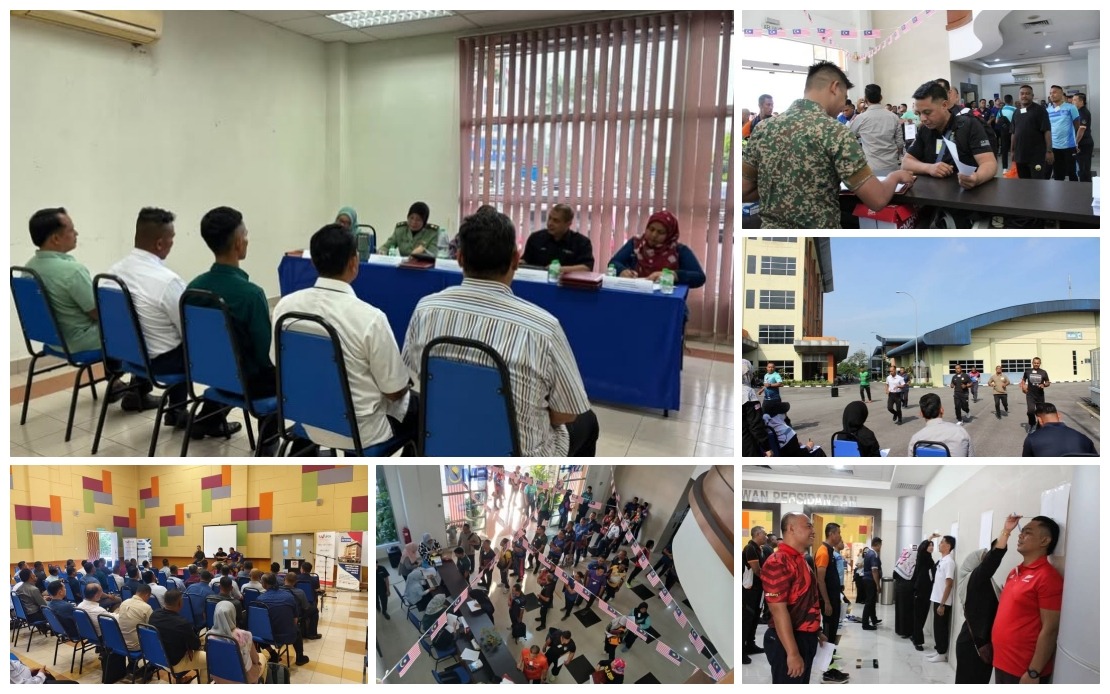
Malaysia's MARA has progressed its recruitment campaign for Full-Time External Wardens at its network of junior science colleges, with 147 military veterans completing a comprehensive selection process this week. The candidates took part in assessment sessions held on June 17 and 18 at the MARA Food Technology Incubator in Kepong, representing a significant milestone in the organization's drive to strengthen residential college leadership. MARA Chairman Datuk Dr Asyraf Wajdi Dusuki announced the development through a social media statement, emphasizing that the exercise reflects the importance the agency places on appointing qualified personnel to these critical roles.
The selection process has been carefully structured to identify the most suitable candidates from the competitive pool of applicants. Those attending the most recent sessions had already cleared two preliminary rounds of online screening before receiving their invitations to participate in the physical evaluation phase. This filtering mechanism ensures that only serious contenders with demonstrable qualifications advance to the interview stage, streamlining the overall recruitment timeline and enabling MARA to make informed decisions based on substantive assessments rather than initial applications alone.
Candidates underwent three distinct evaluation components designed to measure different dimensions of fitness for the warden role. The assessment framework included a Body Mass Index screening, which establishes basic health and fitness standards expected of individuals in supervisory residential positions. A Bleep Test, the standardized endurance assessment commonly used in military and professional contexts, measured cardiovascular capacity and physical conditioning. The face-to-face interview component allowed evaluators to assess interpersonal skills, communication abilities, and alignment with institutional values—factors that cannot be captured through written applications or fitness tests alone.
The comprehensive vetting reflects broader institutional thinking about what the warden position demands. These roles extend significantly beyond enforcing dormitory rules or administrative compliance. According to Datuk Dr Asyraf Wajdi, wardens serve as mentors and guardians responsible for student welfare, character development, and creating a supportive residential environment aligned with MARA's broader educational philosophy. The organization views these positions as pivotal to its mission of producing well-rounded graduates equipped not only with academic knowledge but also with the moral and social competencies demanded of future leaders and professionals in Malaysian society.
The emphasis on military background among candidates reflects strategic consideration of the skills set that experience in armed forces environments cultivates. Former military personnel typically bring established expertise in discipline, organizational management, leadership under pressure, and the ability to maintain order while building cohesive communities—all directly applicable to the residential college environment. Their familiarity with hierarchical structures, duty rosters, and collective living arrangements provides practical grounding that can accelerate their transition into the warden role.
Beyond immediate operational concerns, Datuk Dr Asyraf Wajdi identified broader social objectives underpinning this recruitment initiative. The appointment of committed, carefully selected wardens is positioned as part of a comprehensive strategy to address persistent challenges in residential educational settings across Malaysia. Bullying, disciplinary violations, and various forms of student misconduct have periodically surfaced in media reports concerning Malaysian boarding institutions, suggesting a need for stronger preventive measures and more engaged pastoral care. By deploying wardens who combine military discipline with genuine mentoring commitment, MARA hopes to foster environments where such problems become less likely to emerge or escalate undetected.
The initiative also reflects recognition that residential colleges function as formative spaces where students spend crucial developmental years away from immediate family oversight. The warden's role encompasses emotional support, guidance through personal challenges, and modeling of values that extend well beyond academic instruction. This holistic understanding of residential education marks a shift toward treating wardens as integral members of the broader educational team rather than as security personnel focused narrowly on rule enforcement and facility management.
Implementation timelines remain tight, with successful candidates from the current round scheduled to assume their positions beginning July 1. This compressed timeline suggests MARA has worked backward from institutional needs and academic calendars to structure its recruitment schedule accordingly. The proximity of the start date to the interview sessions means the organization is confident in its assessment methodology and prepared to onboard wardens efficiently once selections are finalized.
Parallel to the selection of male candidates, MARA is progressing its recruitment of female wardens along an equivalent track. Datuk Dr Asyraf Wajdi indicated that 162 female former military candidates will participate in their own physical interview sessions the following week. This parallel recruitment acknowledges the reality that MRSM colleges house both male and female students, and residential care and mentoring benefit from gender-balanced staffing. Ensuring that female students have access to experienced female wardens who can relate to gender-specific concerns and serve as role models reflects thoughtful institutional design.
The scale of this recruitment exercise—involving over 300 candidates across both male and female tracks—indicates that MARA is undertaking a substantial expansion or overhaul of its warden corps. This suggests either significant growth in student numbers across MRSM institutions, or a systematic effort to raise standards and increase staffing capacity for enhanced pastoral care. Either way, the magnitude of the initiative underscores MARA's commitment to investing in residential college infrastructure and human resources at a time when such attention to student welfare has become increasingly prominent in Malaysian educational discourse.
From a regional perspective, Malaysia's emphasis on careful selection of residential college staff aligns with broader Southeast Asian recognition that boarding schools and colleges require particularly thoughtful management. Countries across the region have similarly grappled with residential institution challenges, making MARA's structured approach to warden recruitment potentially relevant for peer organizations in neighboring nations. The integration of fitness assessment, formal interview, and merit-based selection mirrors international best practices in institutional staffing while remaining grounded in Malaysia's specific educational context and cultural values.
The outcomes of this selection process will likely shape the residential experience for thousands of MRSM students over coming years. By investing in careful recruitment and establishing clear performance expectations through rigorous assessment, MARA is positioning itself to deliver on its stated commitment to create safer, more supportive, and more educationally enriching college environments. The success of this initiative will ultimately be measured not through recruitment statistics but through improvements in student outcomes, reduced disciplinary incidents, and enhanced personal development among the young people entrusted to these institutions' care.