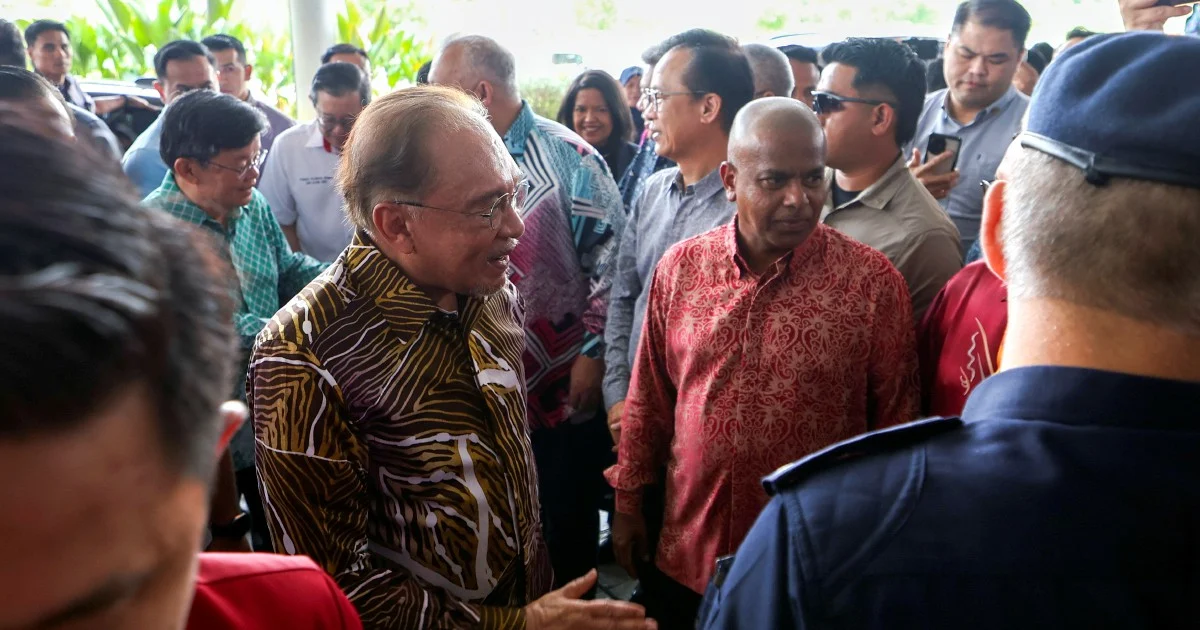
Prime Minister Datuk Seri Anwar Ibrahim has welcomed Turkmenistan's decision to entrust Petronas with the operation of two major gas fields, characterising the arrangement as a transformative moment for Malaysia's energy future. Speaking in his Permatang Pauh constituency, Anwar described the acquisition as a crucial step toward securing the nation's hydrocarbon supplies at a time when regional energy markets face mounting pressures and competition for accessible reserves has intensified.
The assignment of these Turkmen gas assets to Petronas represents more than a routine commercial transaction for the state-owned petroleum giant. It underscores Malaysia's growing capacity to invest across international frontiers and participate in complex, upstream energy projects beyond its traditional operating zones in Southeast Asia. For Petronas, which has progressively expanded its portfolio across multiple continents, the Turkmenistan fields offer access to vast reserves that could enhance production volumes and extend the company's revenue-generating capacity over several decades.
Energy security has become an increasingly pressing concern for Malaysia and other developing economies in the region. As domestic oil and gas reserves mature and output naturally declines, securing overseas acreage and production rights provides a buffer against supply disruptions and price volatility. Turkmenistan holds among the world's largest natural gas reserves, making it an attractive source for companies seeking long-term supply agreements and exploration opportunities. For Malaysia, which depends substantially on petroleum revenues to fund development programmes and sovereign wealth investments, the ability to extract value from foreign hydrocarbon resources strengthens fiscal stability.
Petronas has undergone significant transformation over recent years, adapting its strategy to include both conventional oil and gas development and emerging energy sectors. The Turkmenistan venture reflects the company's determination to maintain a robust portfolio of producing assets even as global markets transition toward cleaner energy sources. Such diversification is essential for ensuring shareholder returns and funding the company's investments in renewable energy and low-carbon solutions.
The geopolitical dimension of the deal also merits attention. Turkmenistan has historically pursued a foreign policy of positive neutrality, deliberately cultivating relationships with multiple international partners. By allocating significant gas fields to Petronas, Ashgabat signals openness to Malaysian investment and technical expertise. This arrangement strengthens bilateral ties between Kuala Lumpur and Ashgabat, potentially opening avenues for cooperation in other sectors and reinforcing Malaysia's diplomatic presence in Central Asia, a region where Southeast Asian countries have traditionally maintained limited engagement.
For Petronas employees and Malaysian energy professionals, the Turkmenistan assignment creates opportunities to acquire experience operating in challenging environments and managing complex, cross-border projects. Central Asian operations typically involve navigating demanding geological conditions, infrastructure limitations, and regulatory frameworks distinct from those in Southeast Asia or the Middle East. Such exposure broadens the technical capabilities and management acumen within Petronas and the broader Malaysian energy sector.
The commercial terms and timeline for developing these Turkmen fields will significantly influence the initiative's success and profitability. Gas field development requires substantial capital expenditure, often spanning several years from initial appraisal through first production. Petronas must carefully assess reservoir characteristics, production costs, and market demand for the anticipated output. Transport infrastructure—including pipelines or liquefied natural gas facilities—will prove essential for monetising the gas once extracted.
This development arrives as energy markets worldwide grapple with competing pressures. Fossil fuel demand remains robust across Asia, particularly in industrialising economies requiring substantial electricity generation and feedstock for chemical production. However, climate considerations and energy transition policies increasingly influence investment decisions and long-term planning. Petronas will need to balance the commercial benefits of the Turkmenistan venture against its broader environmental commitments and stakeholder expectations regarding sustainable business practices.
The award also reflects confidence in Petronas's operational capabilities and track record. International partnerships of this scale require the host nation to trust that the foreign operator possesses adequate technical expertise, financial resources, and governance standards. Turkmenistan's selection of Petronas suggests satisfaction with the company's proposals and assessment of its capacity to deliver production reliably while respecting contractual obligations and regulatory requirements.
Looking ahead, the success of this venture will depend on multiple factors including commodity prices, technical execution, geopolitical stability, and regulatory consistency in Turkmenistan. If realised, the project could materially contribute to Petronas's production growth and generate substantial cash flows that fund shareholder dividends and reinvestment in future opportunities. For Malaysia, the arrangement exemplifies the nation's capacity to attract and execute complex energy infrastructure initiatives on the international stage, reinforcing its standing as a capable player in global energy markets and strengthening resource-backed wealth generation mechanisms.