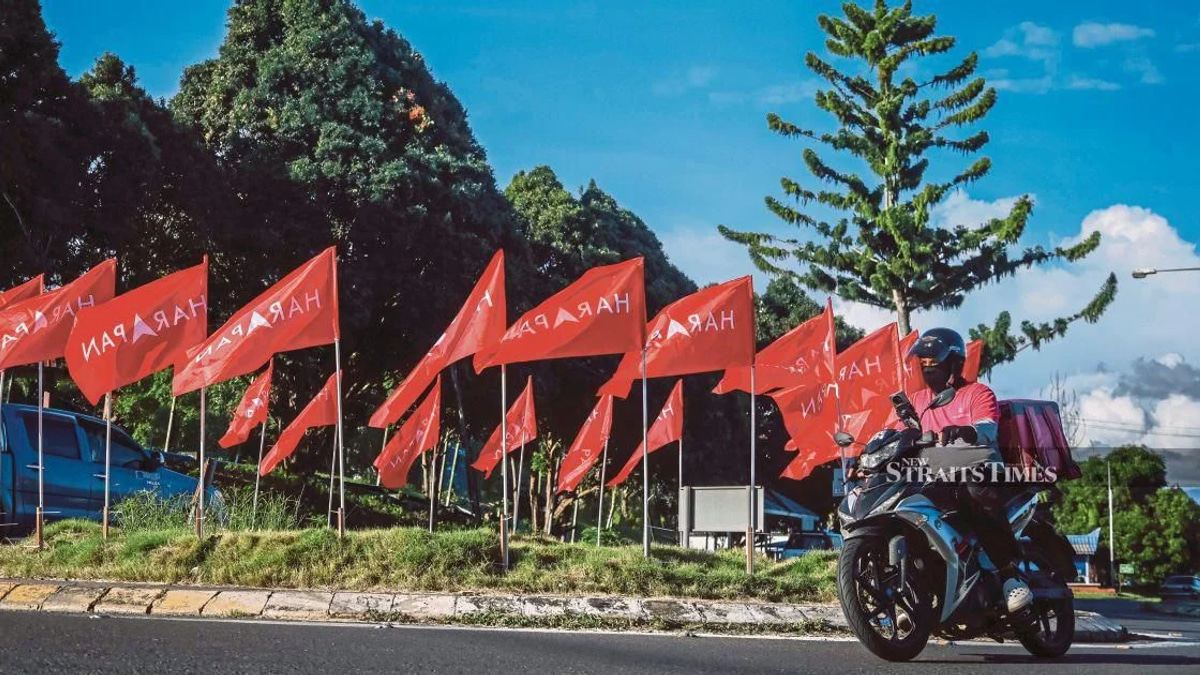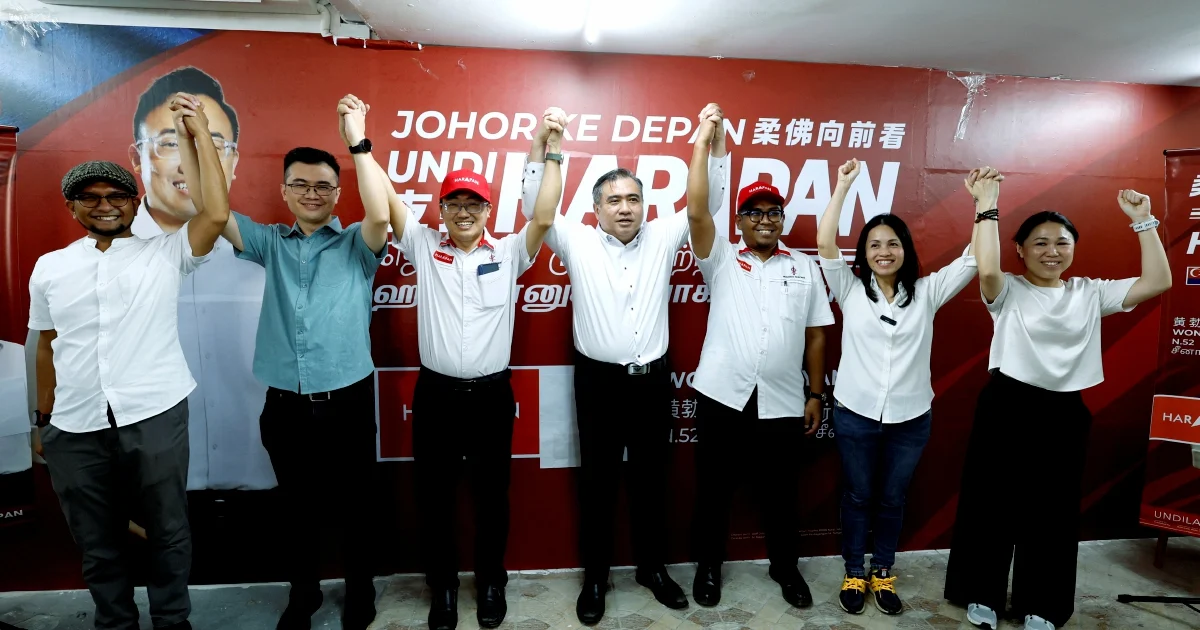
Pakatan Harapan's leadership has made clear that naming its candidate for the position of Johor Menteri Besar will not happen before the state election, with the decision intended as a post-victory matter to be handled by the coalition's top decision-making body. This statement was made in Johor Baru and reflects the coalition's operational strategy of maintaining campaign momentum without premature announcements that might complicate matters ahead of polling day.
The approach underscores a deliberate choice to keep the spotlight on winning the election itself rather than allowing internal succession discussions to dominate the political narrative or create unnecessary distractions during the critical campaign phase. By deferring this announcement, PH aims to project unity and prevent rival coalitions from exploiting any perceived divisions or disagreements about leadership within its ranks.
For Malaysian political observers, this tactic carries practical significance. Naming a candidate too early can invite sustained attacks from opposition parties and may embolden rival campaigns to focus on that individual rather than on broader policy platforms. By withholding the name, PH prevents a personalised narrative around a single figure, instead asking voters to consider the coalition's broader agenda and track record.
The decision also reflects lessons learned from previous Malaysian state elections where premature announcements created opportunities for opponents to chip away at candidate credibility or raise questions about backroom dealings. In Johor's competitive political landscape, where strong incumbents and active opposition presence require sustained voter engagement, such strategic ambiguity can prove valuable during the campaign sprint.
Loke's confirmation that the decision will rest with PH's top leadership council suggests a degree of consensual decision-making that may involve discussions among component parties and senior figures. This process typically requires weighing various considerations including government experience, electoral performance in constituencies, party representation, and the need to balance regional interests within Johor itself.
From a regional perspective, this decision mirrors broader trends across Southeast Asia where coalition governments increasingly employ such strategies to manage internal tensions while maintaining public-facing unity. It demonstrates understanding that modern campaign communications demand focus and discipline, preventing multiple competing messages that could confuse voters or provide ammunition for political opponents.
The broader context matters here as well. Johor has traditionally been one of Malaysia's most significant political battlegrounds, and the outcome of any state election carries implications beyond the state's borders. National political movements often use strong state-level results as launching pads, which makes campaign discipline and strategic messaging particularly important in this contest.
Historically, Johor's political dynamics reflect complex power structures involving multiple communities, economic interests, and established political networks. A coalition's ability to govern effectively depends partly on appointing a Menteri Besar who commands respect across these various constituencies and possesses sufficient political capital to manage competing demands. The leadership's deliberate approach to this decision suggests recognition that this selection carries weight beyond simple administrative succession.
For voters and political analysts monitoring the election, this announcement ultimately means the focus will remain on policy platforms, campaign promises, and the coalitions' visions for the state rather than on personality-driven politics around a specific individual. Whether this strategy proves effective will depend on how well PH maintains campaign momentum and whether its messaging resonates with Johor's diverse electorate during the campaign period.
The decision also carries implications for political transparency and democratic practice. By committing to name the candidate through formal leadership channels after an election victory, PH signals acceptance of institutional decision-making rather than behind-the-scenes arrangements. This approach, while common in parliamentary systems, reflects expectations among Malaysian voters for greater openness about political succession and leadership selection processes.
Ultimately, Loke's statement represents a calculated political move that prioritises winning the election over satisfying immediate curiosity about leadership succession. Whether Pakatan Harapan's strategy of delaying this announcement while maintaining campaign focus proves successful will become clear once Johor's voters have had their say at the ballot box.