Carlo Ancelotti has not swept away all the structural deficiencies that plagued Brazil's Copa America campaign in one forty-five-minute spell, but the Italian manager at least provided his supporters with a tangible sense of tactical progression following the disappointing 1-1 draw with Morocco in their Group C opening match. The 3-0 demolition of Haiti offered an opportunity to implement tactical adjustments without the intense pressure that would have accompanied another unconvincing result, allowing Ancelotti to experiment with formations that might define Brazil's tournament trajectory.
Haiti's well-documented limitations as opponents masked neither Brazil's quality nor the substance of Ancelotti's modifications. The Caribbean side repeatedly charged forward with minimal consideration for defensive shape, essentially gifting possession in dangerous areas to a Brazilian outfit desperately seeking the passing rhythm and creative cohesion that characterizes their finest football. Against such accommodating opposition, even incremental improvements in structure become visible. Yet the alterations Ancelotti introduced extended beyond mere fine-tuning; they represented a deliberate philosophical shift in how Brazil would operate across the pitch.
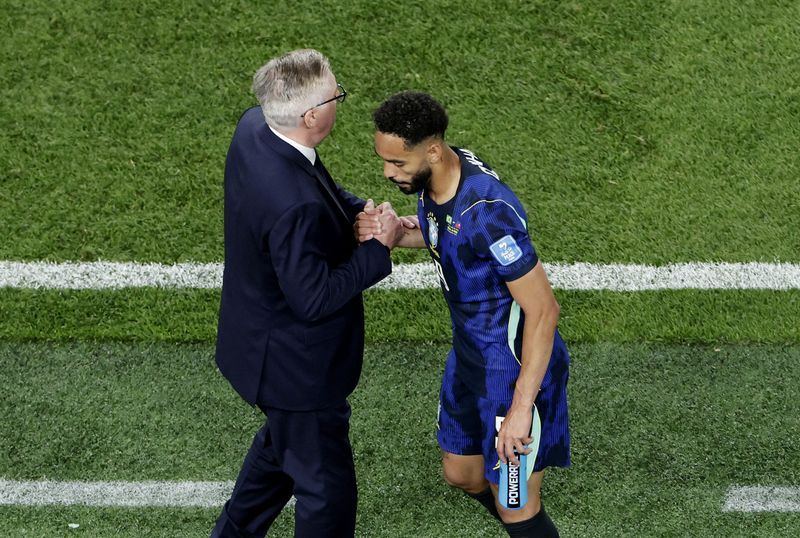
The substitution of Matheus Cunha for Igor Thiago in the attacking line proved pivotal to Brazil's improved performance and offers the clearest insight into Ancelotti's evolving strategy. Rather than simply replacing one forward with another, Cunha's positioning fundamentally altered the dynamic between midfield and attack. His tendency to drift into spaces between the lines created a natural bridge that morphed static attacking movements into flowing transitions. The introduction of this connector fundamentally changed Brazil's attacking pattern, transforming isolated exchanges into sequences that accumulated into genuine goal-scoring opportunities.
Cunha's arrival enabled the diamond midfield formation that has become increasingly central to Ancelotti's tactical vocabulary. Lucas Paqueta, whose first-half performance against Morocco had drawn considerable criticism, appeared substantially more purposeful operating on the left flank of this diamond structure. The Barcelona winger's ability to surge forward from deeper positions allowed him to establish meaningful combinations with Vinicius Jr, while Cunha's tireless movement created passing options that the left-sided attack had not previously possessed. This three-player combination generated a fluidity that extended beyond individual skill, suggesting the emergence of a genuine tactical unit.
Vinicius Jr emerged from this reorganisation as a considerably more impactful force than his performances in the opening match had suggested. The Real Madrid star has frequently appeared isolated in previous Brazil configurations, forced to manufacture opportunities through individual brilliance rather than benefiting from structured support. Against Haiti, he received the kind of coordinated backing that maximises his natural gifts, with both Paqueta and Cunha functioning as capable collaborators rather than passive observers. The goals Brazil scored flowed predictably from this left-flank partnership, validating Ancelotti's decision to construct his attacking play around this axis.
The architectural balance that Cunha brought to the left side, however, threw the right flank's deficiencies into sharp relief. Raphinha's struggles in both matches have manifested in different ways, yet both point toward fundamental incompatibility between the player's natural attributes and his assigned role. The Arsenal winger, accustomed to operating with greater freedom and interior-oriented movement in club competition, appeared constrained by the traditional right-wing positioning that Ancelotti deployed. A mid-week training absence prompted by blister complications likely compounded his difficulties, yet the timing problems that plagued his distribution suggested more than a mere physical inconvenience.
Raphinha's displacement from his preferred zone represents one of several unresolved tactical questions facing Brazil as the tournament progresses. The positional mismatch between his club responsibilities, where he functions with the kind of mobile attacking involvement that Cunha demonstrated on the opposing flank, and his international assignment points toward a broader squad management challenge. Whether through injury management or tactical recalibration, Ancelotti must address this imbalance before Brazil encounters opponents capable of exploiting the right-sided vulnerability that emerged against Haiti.
The defensive considerations accompanying Brazil's attacking reorganisation merit equal scrutiny, particularly concerning the durability of thirty-four-year-old Casemiro's physical capacities. The Manchester United midfielder's presence on the pitch has traditionally been taken as essential to Brazil's structural stability, yet more demanding opponents will inevitably test the sustainability of his contributions. Bruno Guimaraes demonstrated considerable fluency in his right-midfield position against Haiti, yet this placement distances him from the defensive work that would strengthen the central pairing should opponents apply sustained midfield pressure. Ancelotti may need to sacrifice some attacking ambition in defensive encounters to ensure Brazil's vulnerability does not become systematically exploitable.
The substitutions that followed Raphinha's departure painted a clouded picture of the alternatives available on the right flank. Rayan's failure to settle after entering the match suggests that replacing the Barcelona winger with players of similar profile will merely perpetuate structural problems. Luiz Henrique represents a different tactical proposition, offering the kind of interior movement that might complement rather than repeat the unsuccessful setup currently in place. How Ancelotti calibrates these personnel decisions before Scotland's match will reveal much about whether the Haiti performance represented genuine tactical progress or merely improved execution against inferior opposition.
Brazil's performance against Haiti was not a display that announced a tournament favourite rediscovering its championship form. The limitations of the opposition ensured that numerous vulnerabilities could remain partially obscured beneath the convincing scoreline. Yet within this polished but not exceptional showing lay evidence of directional movement. Ancelotti has identified a left-flank partnership capable of generating attacking cohesion, introduced a formation that creates productive midfield-to-attack transitions, and at least acknowledged through his substitutions that defensive balance requires attention. Whether these embryonic improvements can survive encounters with genuinely competitive opponents will determine whether this Copa America marks a tournament renaissance or merely a brief respite from tactical confusion.