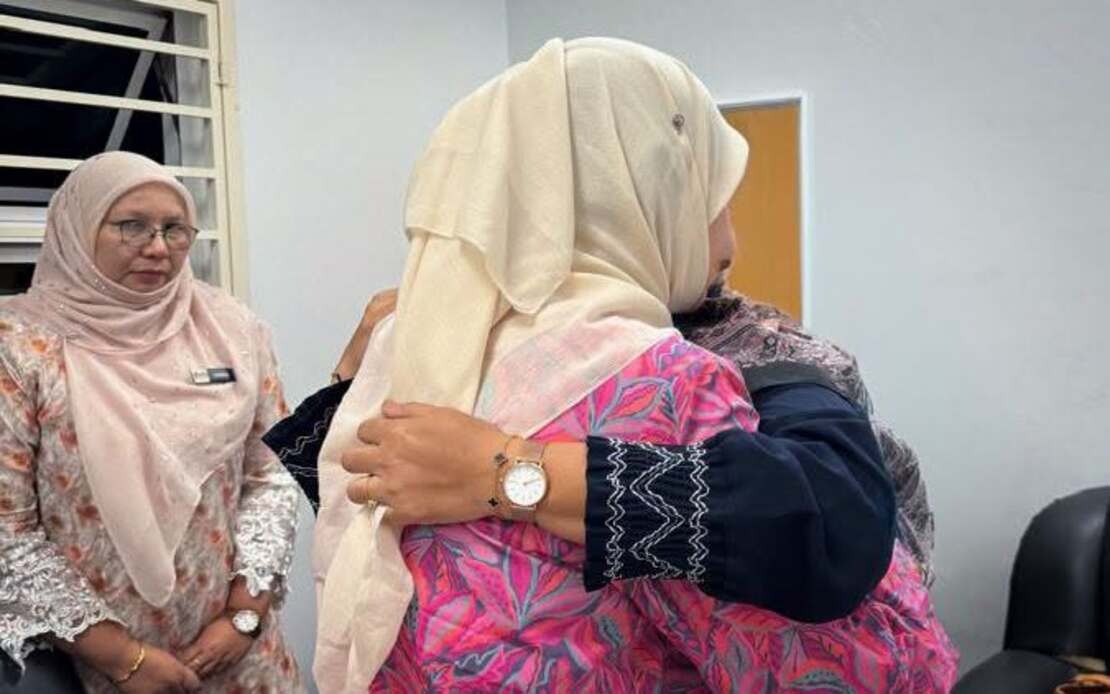
Education Minister Fadhlina Sidek has appealed to the public to observe sensitivity and provide space for the grieving family of a 16-year-old female student who died at a school in Negeri Sembilan. The tragic incident, which occurred earlier this week, has prompted both official support and calls for measured public behaviour as the investigation unfolds. Authorities have prioritized supporting those directly affected while maintaining the dignity of the family during this deeply challenging period.
The police have begun their investigation into the circumstances surrounding the student's death. In recognition of the gravity of the situation, Fadhlina emphasized that the Education Ministry is extending its full cooperation to investigators. This coordinated approach underscores the institutional commitment to determining what occurred and ensuring all relevant information is properly documented and examined. The involvement of multiple government agencies reflects the seriousness with which such incidents are being treated across Malaysia's education system.
Fadhlina's statement, shared through social media, expressed condolences to the bereaved family and invoked religious sentiments appropriate to Malaysia's Muslim-majority context. She wrote that she hopes the student's soul finds peace and is counted among the faithful, while also wishing the family strength and patience as they navigate their grief. Such messaging serves both to acknowledge the loss publicly and to set a respectful tone for how the broader community should respond to the tragedy.
Demonstrating the ministry's hands-on engagement with the family, Fadhlina personally visited the student's relatives at Rembau Hospital alongside Education Director-General Datuk Dr Mohd Azam Ahmad. This direct contact represents more than a symbolic gesture—it signals institutional accountability and ensures that support mechanisms can be activated quickly. Hospital visits by senior officials often facilitate discussions about counselling services, educational continuity for affected students, and other welfare provisions that families may need during immediate aftermath periods.
The timing of such personal outreach is significant for Malaysian education policy. School-related incidents involving student fatalities are rare but deeply impactful, affecting not only the immediate school community but broader public perceptions of student safety. When senior ministry officials engage directly with families, they demonstrate that concerns at ground level receive attention at the highest levels. This approach can help prevent the spread of misinformation or conspiracy theories that sometimes emerge when official communication appears distant or delayed.
Fadhlina's appeal for public restraint addresses a particular challenge in the social media age. Stories involving young people and schools generate substantial public engagement and commentary, often before facts are fully established. By explicitly requesting that people respect the family's privacy and the sensitivity of the situation, the minister acknowledged that unbridled public speculation or media intrusion could compound the family's suffering. This represents a mature recognition that not every development in an ongoing investigation requires immediate public discussion.
The ministry's stated priority of ensuring comprehensive support to affected individuals reflects evolving best practices in crisis management within educational institutions. Beyond the immediate family, schools typically need to provide counselling for students who knew the deceased, support for teachers who may have taught the student, and assistance for the school community in processing collective grief. When a minister explicitly identifies this as a priority, it creates institutional pressure to activate these services thoroughly rather than superficially.
For Malaysia's education sector more broadly, incidents such as this underscore the complex intersection of duty of care, student welfare, and institutional responsibility. Schools operate in loco parentis and must balance pastoral support with the realities of managing large student populations. The police investigation will likely examine whether there were any prior warning signs, whether supervision was adequate, and whether any specific circumstances contributed to the death. These findings, when eventually disclosed, may inform policy discussions about student mental health support, bullying prevention, or physical safety protocols.
The involvement of law enforcement in what may ultimately be determined a natural death, accident, or other non-criminal incident is standard procedure in most Commonwealth-influenced jurisdictions, including Malaysia. This formal investigative process, while sometimes lengthy, creates an official record and provides transparency that helps families and institutions understand what occurred. For the school itself, an external investigation also offers some protection against future allegations of negligence or cover-up.
Regional context matters here as well. Several Southeast Asian countries have experienced high-profile cases involving student deaths at schools, raising questions about pastoral care, mental health support, and institutional transparency. Malaysia's approach—with senior officials personally engaging, investigations being visibly conducted, and public statements emphasizing compassion—positions the country as taking such incidents seriously. However, the ultimate credibility of the response will depend on whether the investigation is thorough, impartial, and its findings ultimately disclosed to the public.
For families of students across Malaysia, this incident may prompt reflection on whether schools are adequately equipped to identify and support vulnerable students. While specific details remain under investigation, the death of a school-aged person always raises questions about what warning signs may have been present and what institutional safeguards exist. These broader questions typically fuel public discussion and can, if handled transparently, lead to constructive policy improvements.
As the investigation proceeds, the ministry's balance between transparency and sensitivity will be tested. Too little information may fuel conspiracy theories; too much may be experienced as disrespectful to the family. Fadhlina's initial statement set a measured tone, but sustained attention from authorities and measured communication as facts emerge will be crucial. The outcome of the police investigation, whenever it is concluded, will ultimately determine whether this incident prompts broader systemic changes or remains a tragic isolated event.