%22%2F%3E%3C%2Fpattern%3E%3C%2Fdefs%3E%3Crect%20width%3D%22100%25%22%20height%3D%22100%25%22%20fill%3D%22url(%23ph44705g)%22%2F%3E%3Crect%20width%3D%22100%25%22%20height%3D%22100%25%22%20fill%3D%22url(%23ph44705p)%22%2F%3E%3Ctext%20x%3D%2250%25%22%20y%3D%2250%25%22%20text-anchor%3D%22middle%22%20dominant-baseline%3D%22central%22%20fill%3D%22rgba(255%2C255%2C255%2C0.95)%22%20font-family%3D%22Georgia%2C%20'Times%20New%20Roman'%2C%20serif%22%20font-weight%3D%22700%22%20font-size%3D%22226%22%20letter-spacing%3D%22-0.02em%22%3EHamzah%3C%2Ftext%3E%3C%2Fsvg%3E)
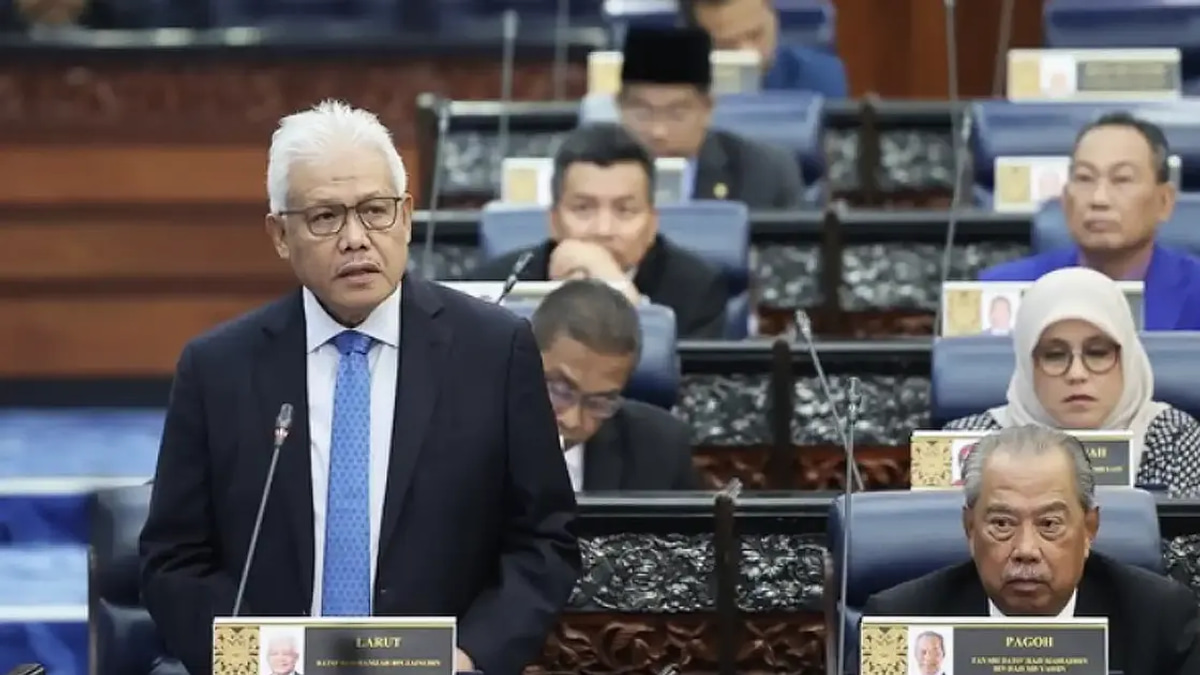
The Dewan Rakyat's presiding officer has formally acknowledged Hamzah Zainudin's position as Leader of the Opposition, putting to rest months of uncertainty over the role's legitimacy within Parliament. Tan Sri Johari Abdul, serving as Speaker, made the confirmation following official notification procedures, granting Hamzah the constitutional recognition and parliamentary privileges that accompany the opposition's senior position.
Hamzah's appointment as Opposition Leader represents a significant political moment for Malaysia's fractious political landscape. The Perikatan Nasional faction, which Hamzah represents, had persistently contested the legitimacy of previous opposition leadership arrangements. His formal recognition now establishes clearer parliamentary dynamics and delineates the primary opposition voice in legislative debates and government accountability proceedings.
Concurrently, former Prime Minister Muhyiddin Yassin has been assigned to a different seat within the parliamentary chamber. This seating adjustment, though routine in nature, carries symbolic weight given Muhyiddin's prominent role in recent Malaysian politics. His relocation underscores the evolving power structures within the Perikatan Nasional coalition and reflects shifting alignments within the broader opposition contingent.
The confirmation process involved formal notification channels, indicating that relevant political constituencies had submitted documentation establishing Hamzah's leadership credentials. Parliamentary conventions require such notifications to ensure transparency and provide government mechanisms for recognising opposition structures. The Speaker's acknowledgment follows these established procedures, lending institutional legitimacy to the arrangement.
Opposition leadership carries substantial parliamentary responsibilities in Malaysia's Westminster-derived system. The recognised Opposition Leader receives enhanced questioning rights during government accountability sessions, participates in parliamentary scheduling discussions, and serves as the primary spokesperson during opposition business. These responsibilities now formally vest with Hamzah, elevating his parliamentary profile and giving his faction greater influence over legislative proceedings.
Muhyiddin's movement to a new seat, while potentially appearing minor, reflects broader repositioning within Perikatan Nasional ranks. The coalition has undergone significant reorganisation following Muhyiddin's tenure as Prime Minister and subsequent political developments. Seating arrangements in Parliament often mirror internal party hierarchies and factional strengths, making such changes noteworthy indicators of shifting internal dynamics.
The Opposition Leader's formal recognition provides clarity for both parliamentary operations and public understanding of opposition structures. Malaysian voters benefit from knowing definitively who represents the opposition in legislative chambers, clarifying accountability lines and providing focus for opposition-related messaging and parliamentary engagement. This transparency strengthens parliamentary democracy by establishing unambiguous leadership channels.
For Southeast Asian observers, these developments illustrate ongoing Malaysian political volatility. Leadership transitions and formal recognitions often trigger ripple effects across regional political networks, as neighbouring countries monitor shifts in major regional power dynamics. Hamzah's elevated status may influence Malaysia's approach to regional initiatives and bilateral relationships, given the Opposition Leader's growing prominence in domestic governance discourse.
The timing of these announcements reflects Parliament's functioning mechanisms during its current session. Regular parliamentary business, including seating arrangements and formal recognitions, typically occurs through Speaker-directed procedures that assess documentation and coordinate with relevant parliamentary offices. The coordination between Hamzah's faction and parliamentary administration signals operational smoothness, despite underlying political tensions.
Looking forward, Hamzah's formal Opposition Leader status will shape parliamentary debates over budgetary allocations, legislative proposals, and government oversight mechanisms. His recognised position grants his coalition expanded platforms for articulating alternative policy perspectives and scrutinising executive decisions. This heightened visibility will likely influence upcoming policy discussions and government accountability proceedings throughout the parliamentary calendar.
The parliamentary adjustments also suggest stabilisation efforts within Malaysia's political system following previous periods of coalition fragmentation and leadership uncertainty. Formal recognition of opposition structures and clarified parliamentary roles contribute to more predictable political processes, even amid ongoing factional tensions within government and opposition coalitions. These institutional clarifications provide frameworks for Malaysia's complex multi-party democracy to function more systematically.