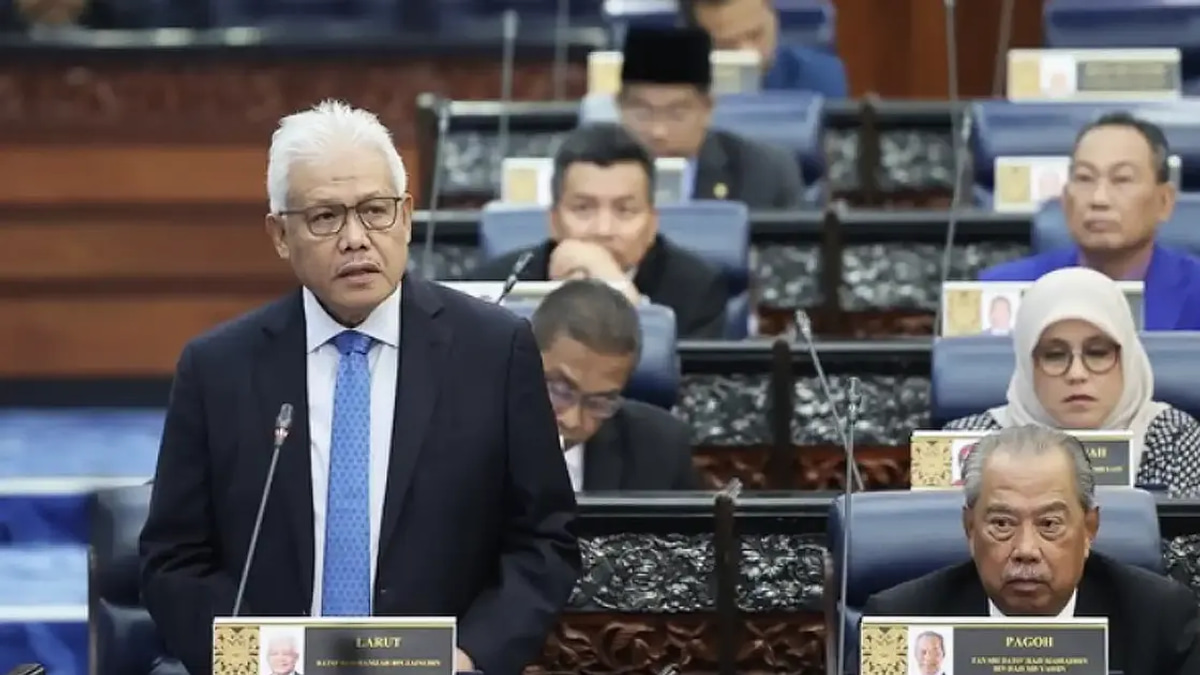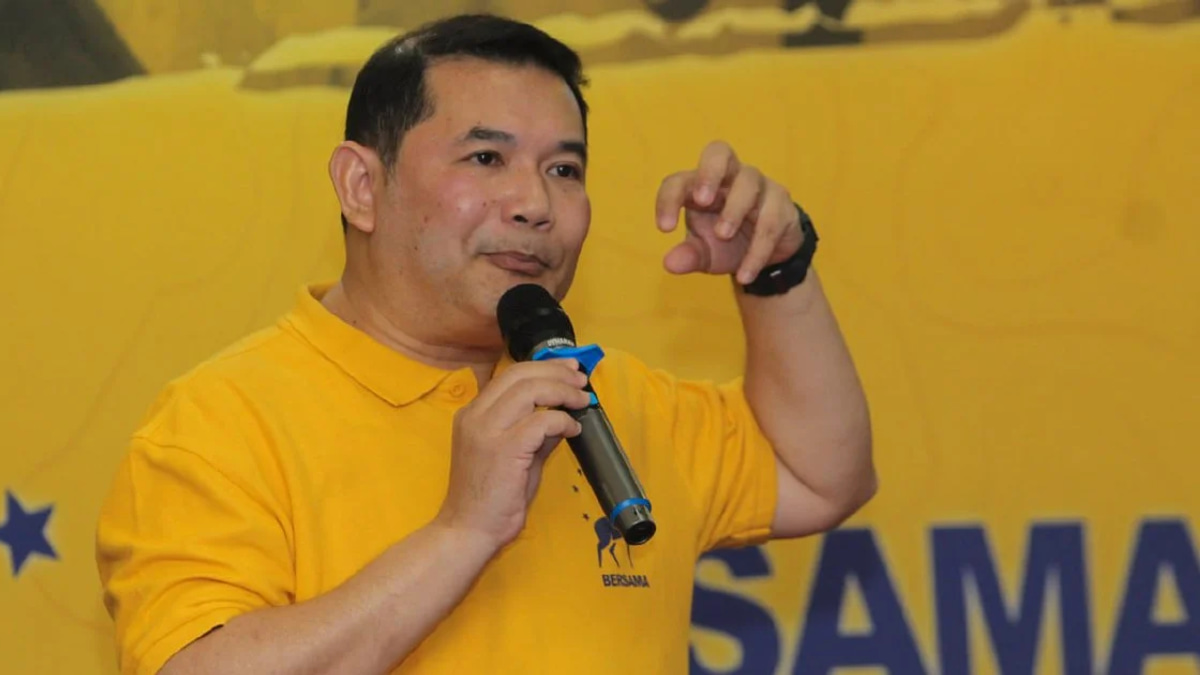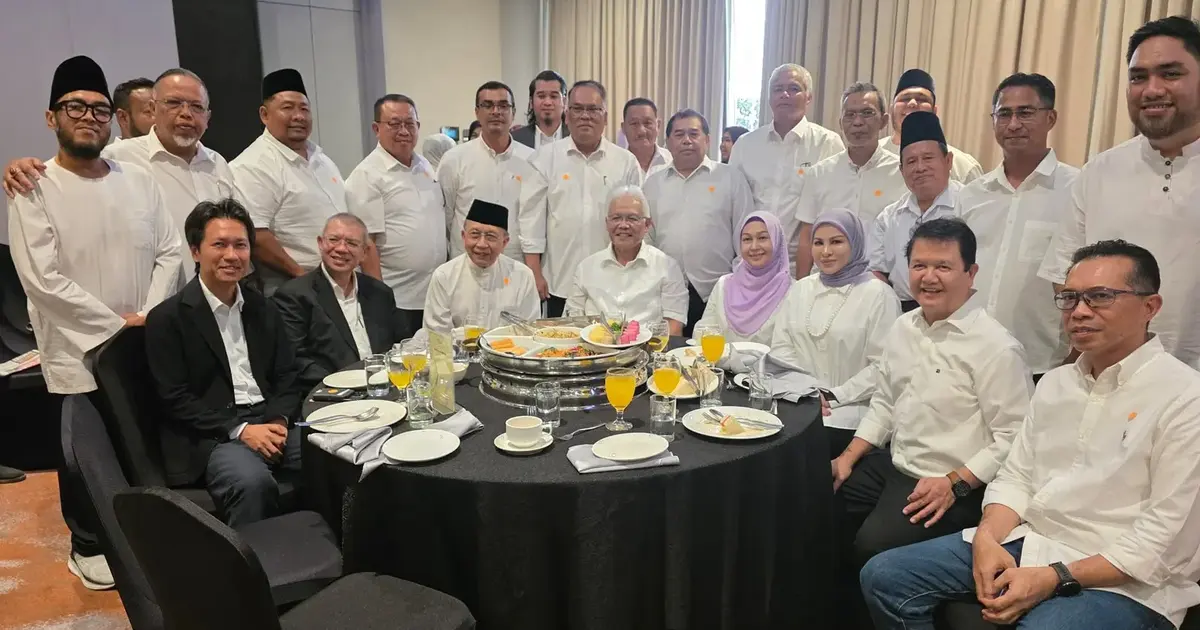
In a major organisational reshuffle, Hamzah has assumed the presidency of Wawasan, signalling fresh direction for the political coalition as it navigates an increasingly complex Malaysian political landscape. The appointment reflects deliberate efforts to inject experienced leadership into the group's upper echelons during a period of regional political flux.
Rais Yatim, a seasoned political operator who has held ministerial portfolios across multiple administrations, has been elevated to the chairmanship. His appointment carries substantial symbolic weight given his extensive track record in Malaysian politics and governance. Yatim brings decades of legislative experience and institutional knowledge to the position, positioning him as a stabilising force within Wawasan's leadership structure.
The selection of Saifuddin Abdullah as secretary-general further underscores Wawasan's commitment to deploying established political figures in key roles. Abdullah, who represents the Indera Mahkota constituency in Pahang, brings parliamentary credentials and grassroots connections to his new responsibilities. His elevation suggests the coalition values his ability to bridge administrative functions with on-ground political work.
These appointments occur against the backdrop of ongoing coalition dynamics in Malaysian politics. Since the 2022 general election, various blocs have undergone internal reorganisation, mergers, and strategic repositioning as parties seek to optimise their electoral and legislative positioning. Wawasan's structural changes must be understood within this broader context of constant political recalibration.
For Malaysian observers, the reshuffle highlights how established political figures continue to migrate across different platforms and organisations. Rais Yatim and Saifuddin Abdullah's appointments reflect their continued relevance and market value within coalition politics, even as generational transitions reshape parliamentary representation elsewhere.
The timing of these announcements carries implications for Wawasan's visibility and agenda-setting capacity. With experienced administrators now helming the organisation, the coalition may seek to strengthen its messaging apparatus and policy coordination mechanisms. Hamzah's presidency, combined with Yatim's chairmanship and Abdullah's secretariat leadership, creates a triumvirate capable of executing coordinated political strategy.
Regionally, Malaysia's internal political dynamics continue to demonstrate the fluidity characteristic of Southeast Asian democracies where coalition-building remains an essential skill. Political formations regularly reconfigure their leadership and operational structures to remain competitive. Wawasan's evolution reflects this broader regional pattern.
The appointment structure itself suggests a deliberate separation of powers within Wawasan's governance framework. Hamzah's presidential role likely focuses on external representation and overall strategic direction, while Yatim's chairmanship may emphasise board-level oversight and policy deliberation. Abdullah's secretariat position assumes responsibility for day-to-day administration and organisational functioning.
For constituencies represented by these appointees, the new roles create both opportunities and demands on their time. While elevated positions enhance their national profile and influence within coalition structures, such responsibilities necessarily claim bandwidth that might otherwise go to constituency service and ground-level political engagement.
The announcement also reflects Wawasan's apparent confidence in maintaining organisational coherence through established procedures. Rather than dramatic structural overhaul, the coalition has opted for targeted leadership appointments, suggesting incremental evolution rather than revolutionary transformation. This conservative approach may appeal to members seeking stability amid broader political uncertainty.
Looking forward, observers will monitor whether this leadership configuration translates into renewed parliamentary activism or policy initiatives from Wawasan. Coalition effectiveness ultimately depends on whether structural leadership appointments translate into coordinated political action and tangible contributions to parliamentary proceedings.
These personnel changes exemplify how Malaysian politics operates through networks of experienced operators who circulate through various positions and platforms. Rais Yatim, Saifuddin Abdullah, and Hamzah each bring proven administrative and political credentials to their respective roles, suggesting Wawasan has prioritised competence and experience in filling these consequential positions. The coalition's trajectory will partly depend on how effectively this leadership trio executes its mandate during Malaysia's ongoing political evolution.