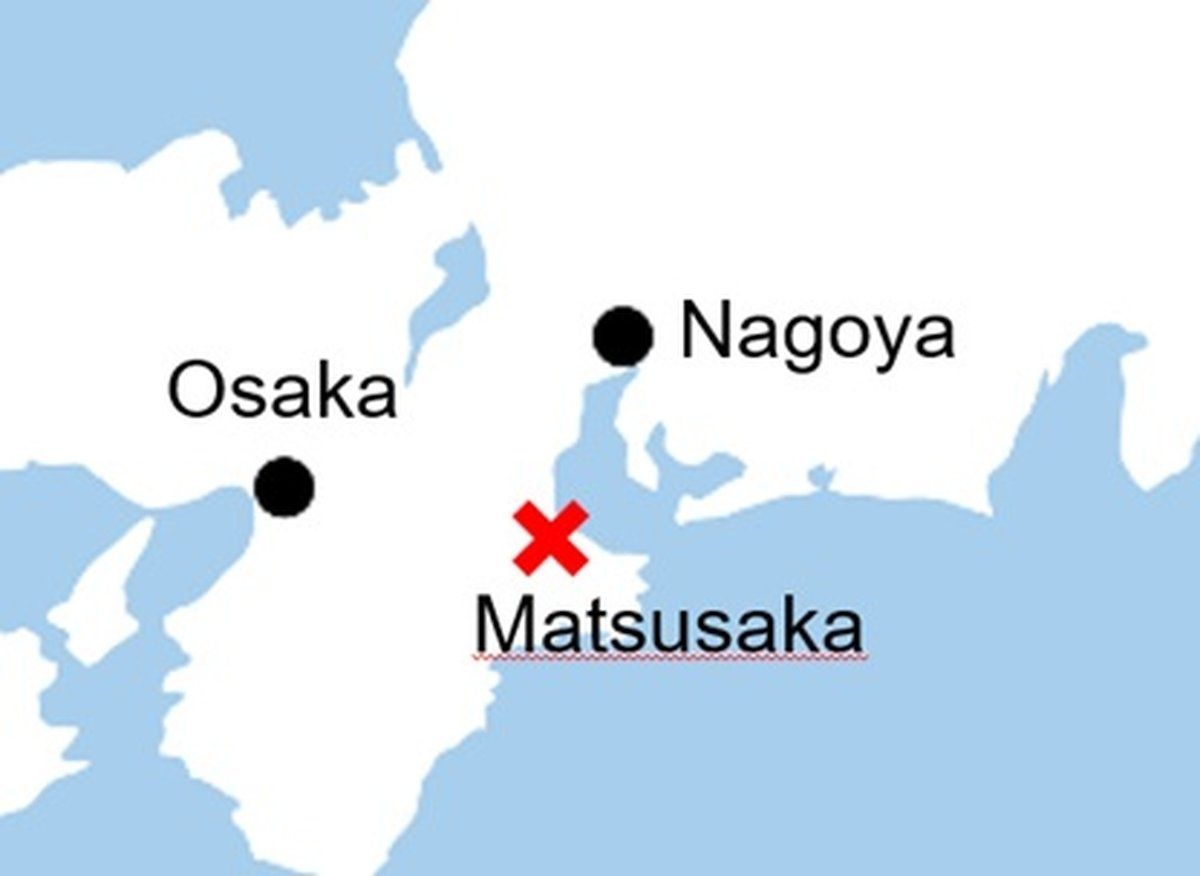
A 35-year-old resident of Matsusaka in Mie Prefecture, Japan, has been arrested by local police following allegations that he confined his partner's five-year-old daughter inside a garbage can as a disciplinary measure. The arrest came on Thursday, June 18, after authorities received notification of the incident from a child welfare centre more than a week after it occurred. The suspect has reportedly acknowledged the allegations against him, with police indicating he characterised his actions as a form of discipline.
According to police investigations, the man allegedly carried the young girl to a garbage bin at his partner's home in Mie Prefecture at approximately 6:30pm on May 12. He then placed her inside the container and secured the lid, confining her within the enclosed space. The girl remained trapped inside for roughly five minutes before being removed. Despite the distressing nature of the ordeal, authorities confirmed that the child sustained no physical injuries during the incident.
The case emerged only after significant delay. A child welfare centre became aware of what had transpired on May 20, more than a week after the incident took place, and immediately reported the matter to police. This gap in reporting highlights how such incidents within household settings can remain hidden for extended periods before intervention by authorities. The delayed discovery underscores the critical role played by social welfare agencies in identifying and responding to child abuse cases that may not be immediately apparent to the broader public.
Following the investigation and arrest, authorities extended their protective measures beyond the five-year-old victim. The girl's older sister was also taken into the protective custody of the child welfare centre, suggesting concerns about the overall safety environment within the household. This dual intervention reflects standard protocol in child protection cases where multiple children in a home may require safeguarding. The removal of both children from the household represents a significant intervention in the family's circumstances and points to deeper concerns about the adequacy of the home environment.
The incident has reignited discussions in Japan regarding the boundaries between permissible parental discipline and child abuse. While corporal punishment and strict disciplinary measures remain more socially accepted in certain contexts in Japan compared to many Western nations, confining a child in an enclosed space presents a clear case of potentially dangerous behaviour that crosses legal and ethical thresholds. The man's characterisation of his actions as discipline rather than abuse raises questions about his understanding of appropriate parental boundaries and child safety protocols.
For Southeast Asian readers, this case resonates with broader regional concerns about child protection frameworks and the effectiveness of welfare intervention systems. Malaysia and neighbouring countries maintain their own child protection legislation, yet enforcement and prevention remain ongoing challenges. The Japanese case demonstrates that developed nations with robust social systems are not immune to child maltreatment incidents, though their formal reporting structures and rapid response mechanisms can help identify and address such cases more efficiently than in jurisdictions with less developed welfare infrastructure.
The role of the child welfare centre in identifying this case underscores the importance of multi-agency collaboration in child protection. In Japan, these centres serve as crucial nodes in the system designed to detect, investigate, and respond to suspected child abuse. The fact that welfare workers eventually learned of the incident and initiated intervention, leading to police involvement and arrest, demonstrates how institutional structures can eventually intercede even when initial reporting mechanisms fail. This contrasts sharply with situations in other contexts where such incidents might never be formally addressed.
The psychological impact on the five-year-old victim, while not physically injured, remains a matter of concern. Psychological trauma from such confinement experiences can have lasting effects on child development, behavioural patterns, and trust in caregivers. Mental health support and continued monitoring through the child welfare system will likely form important components of the child's care going forward. The experience itself—being placed in a dark, enclosed space by a trusted caregiver—constitutes a significant breach of the safety and security a child should experience within their home environment.
The legal process following the arrest will determine the appropriate consequences and interventions. Japan's criminal justice system will evaluate whether charges proceed, what specific offences apply, and what sentencing outcomes are appropriate. Beyond criminal proceedings, the case raises questions about whether the man poses an ongoing risk to children and what conditions, if any, might permit future contact with his partner's daughters. Such determinations require careful assessment by both legal and psychological professionals.
This case serves as a sobering reminder that child protection requires constant vigilance across all societies and economic contexts. While welfare systems in developed nations like Japan have mechanisms to eventually identify and intervene in abuse cases, prevention through community awareness, proper support for struggling parents, and accessible mental health services remains essential. For countries throughout Southeast Asia working to strengthen their own child protection frameworks, the Japanese case illustrates both how dedicated welfare agencies can be effective and where systemic gaps—such as the initial delay in reporting—create windows during which vulnerable children remain at risk.