The trauma of the Democratic Republic of Congo's 2018-2020 Ebola outbreak continues to shape the lives of those who endured it. For Vianney Kambale Kombi, a survivor from the eastern city of Beni, the mere mention of the disease transports him back to a period marked by collective fear, communal fragmentation, and the grim reality of losing thousands to a virus that most people refused to acknowledge. The outbreak killed more than 2,200 people among over 3,400 confirmed cases, making it the second-largest Ebola epidemic in recorded history. Yet despite the scale of the tragedy and the availability of vaccines that ultimately helped contain the spread, the true challenge was not the pathogen itself but the profound scepticism and resistance that permeated affected communities.
The responses Kombi witnessed in Beni reflected deep-seated cultural beliefs and political suspicions that superseded medical facts. Rather than accepting epidemiological evidence, many residents attributed the disease to witchcraft, a worldview that offered a familiar explanation for an unfamiliar catastrophe. This fundamental rejection of the outbreak's reality created dangerous gaps between health authorities and the population they were trying to protect. Kombi himself fell ill after exposure to infected individuals, yet when he recovered, reintegrating into his community proved unexpectedly difficult. The psychological barriers that prevented people from believing in the disease's existence also prevented them from believing in survival, leaving survivors like Kombi facing isolation from their own neighbours and family members.
The political dimensions of disease denial compounded the health crisis into something more complex and intractable. Bienfait Wanzire, another survivor from the 2018 outbreak, articulated how partisan suspicions warped public perception at a critical moment. When the outbreak emerged against the backdrop of electoral politics, segments of the population reframed the epidemic not as a public health emergency but as a deliberate political manoeuvre designed to influence voting patterns or secure international funding. Others interpreted Ebola as a spiritual affliction requiring religious intervention rather than medical treatment. These competing narratives fractured the community consensus necessary for effective outbreak response, allowing the virus to spread more rapidly through populations that actively avoided health facilities and resisted isolation measures.
The toll on healthcare workers became another casualty of this environment of distrust. Dr Babah Mutuza Lusungu, a physician at Dieu Est Grand Medical Centre in Beni, endured the anguish of losing his uncle and two colleagues while simultaneously battling public scepticism about whether the outbreak was real. The resistance he encountered was not passive disbelief but active hostility, with health workers becoming targets of community suspicion and even violence. This created a vicious cycle: as health workers faced attacks and rejection, fewer people sought medical care; as fewer people entered health systems, more cases went undetected and untreated; and as the virus continued spreading unchecked, community fears intensified, further eroding trust in authorities and medical professionals.
Dr Lusungu identified a critical structural gap in outbreak response: the exclusion of youth from engagement and decision-making. Young people, he argued, possessed the social credibility and networks necessary to counteract misinformation within their peers and communities. By failing to partner with youth leaders and organisations early in the outbreak, authorities missed opportunities to reshape narratives before false beliefs became entrenched. His intervention highlights a lesson increasingly relevant for disease control in developing regions of Africa and beyond—that technical competence in epidemiology and vaccination is insufficient without simultaneous investment in community communication strategies that leverage local trust structures and peer influence.
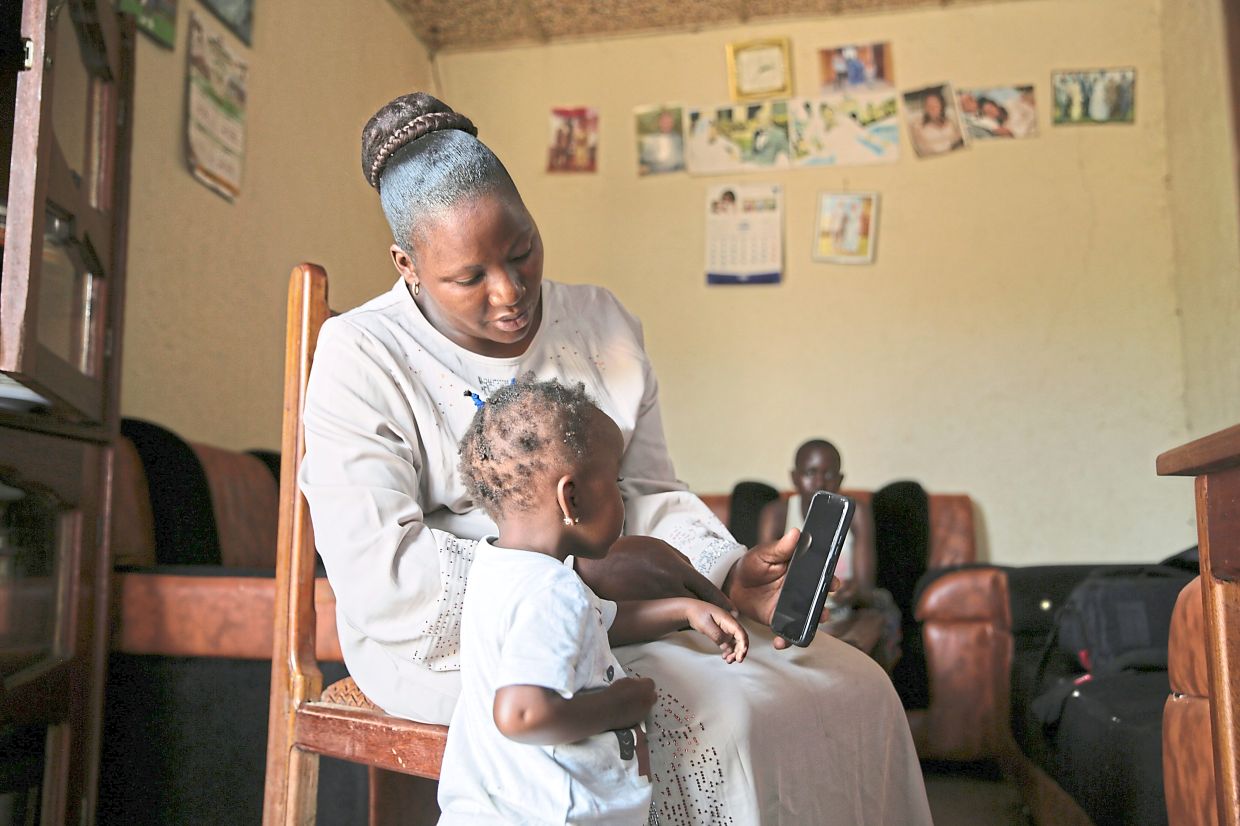
The specific struggles of women and caregivers added another dimension to the outbreak's social impact. Esperance Masinda, working for UNICEF in Beni during the crisis, contracted Ebola while caring for her husband, a medical doctor. Though both eventually recovered through vaccination, survival itself became complicated by the stigma attached to the survivors' names and status. Masinda recounted being told by community members that the vaccine would kill her within five years, a pronouncement that reflected how medical interventions themselves became sites of suspicion and conspiracy theorising. The psychological burden of such pronouncements extended beyond initial recovery, creating a secondary trauma that shaped how survivors navigated their social worlds.
Yet Masinda's account also contains an element of hope grounded in the passage of time. She notes that as years pass and vaccinated survivors remain alive and healthy, the visceral fear and stigma gradually recede. Communities begin recognising that survivors are fundamentally unchanged, that vaccination did not transform them into different beings, and that shared humanity transcends disease status. This gradual shift from stigmatisation to reintegration represents the long process of collective healing that follows epidemics, though the process is far too slow for the psychological wellbeing of survivors forced to endure years of social rejection.
The broader implications of these survivor testimonies extend beyond the Congo's past outbreak to the current epidemic unfolding in the region. As of June 2024, the latest outbreak caused by the rare Bundibugyo virus had confirmed 550 cases with 101 deaths and 19 recoveries. Critically, this variant does not yet have an approved vaccine, removing one of the crucial tools that helped end the 2018-2020 outbreak. The absence of vaccination availability makes community engagement and trust infinitely more important, as authorities cannot rely on the psychological reassurance that vaccines provide. Healthcare workers and public health officials must convince populations to adopt behavioural changes and seek medical care for symptomatic individuals without the incentive of an approved preventive intervention.
For Malaysian readers and Southeast Asian audiences observing these crises from a distance, the Congo outbreak offers essential insights into disease control beyond the laboratory. Malaysia's own experience with infectious disease outbreaks, from dengue to COVID-19, has illustrated similar patterns of community resistance, misinformation, and the critical importance of trust-building alongside medical interventions. The lessons from Beni demonstrate that epidemics in resource-limited settings with fragile health systems are fundamentally social phenomena requiring cultural competence and community partnership, not merely technical responses. Understanding how disease denial operates, how political contexts shape health narratives, and how survivors can contribute to future preparedness offers practical wisdom for strengthening regional disease surveillance and response capabilities.
The voices of Kombi, Wanzire, Dr Lusungu, and Masinda collectively suggest that future outbreaks in the Congo and elsewhere will be better managed not through imported solutions but through genuine dialogue that respects local knowledge while introducing scientific evidence. Youth engagement, women's leadership in outbreak response, explicit addressing of political dimensions of disease, and early investment in community trust-building emerge as essential elements of outbreak strategy. The 2018-2020 Ebola outbreak killed thousands, but it also generated an archive of survivor wisdom that, if heeded, could prevent future epidemics from becoming social catastrophes alongside health emergencies. As new disease variants emerge globally, the experiences of Congo's survivors serve as both warning and guide for the complex work of turning communities from obstacles into partners in their own protection.