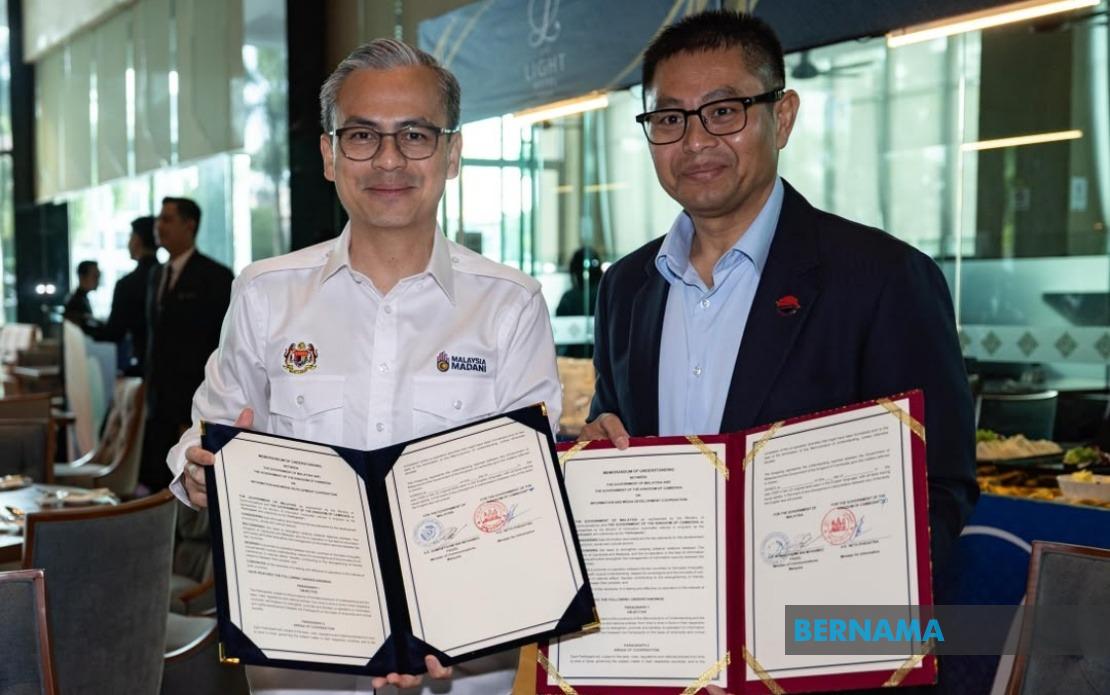
Malaysia and Cambodia have taken a significant step in cementing their regional partnership by formalising a comprehensive memorandum of understanding focused on media and information sector development. Signed in Butterworth on June 20, the agreement represents a deliberate effort by both nations to deepen collaboration at a time when digital transformation is reshaping how information flows across Southeast Asia.
Communications Minister Datuk Fahmi Fadzil signed the agreement ad referendum, with Cambodian Information Ministry's Under Secretary of State, Prak Thaveak Amida, presenting the MoU on behalf of Information Minister Neth Pheaktra. The timing of the signing at the Light Hotel coincided with high-level diplomatic engagement, as Amida was in Malaysia representing Cambodia at the National Journalists' Day (HAWANA) 2026 grand finale. This convergence of events underscores the importance both governments place on strengthening institutional ties within the media sphere.
The scope of the cooperation extends across multiple dimensions of the communications landscape. The agreement establishes concrete mechanisms for news and information exchange between the two nations' media organisations, creating channels for journalists and broadcasters to share stories and perspectives. Radio and television broadcasting cooperation forms another pillar, alongside initiatives in printing and publishing. These traditional media components reflect an understanding that multiple platforms remain essential for effective information dissemination across diverse populations in both countries.
Beyond conventional media activities, the MoU addresses contemporary challenges and opportunities. Media cybersecurity features prominently, acknowledging the growing threats that digital infrastructure faces in the information age. Both nations recognised that protecting news organisations and communications networks from cyber threats requires coordinated effort and knowledge-sharing. The inclusion of information policy and regulatory practices suggests a commitment to harmonising standards where possible, potentially reducing barriers to cross-border cooperation and enabling smoother operational frameworks for media entities working across both territories.
Human capital development constitutes a crucial component of the partnership. By establishing platforms for training and expertise exchange, Malaysia and Cambodia aim to strengthen the professional capabilities of their media practitioners. This dimension is particularly significant for Cambodia, whose media sector continues to develop its infrastructure and talent pool. Malaysian experience in broadcast journalism, publishing operations, and digital media management can provide valuable models and mentorship opportunities.
Innovation in media and broadcasting receives explicit attention in the agreement, reflecting both nations' determination not to be left behind in the rapidly evolving communications landscape. As streaming platforms, artificial intelligence, and algorithmic content distribution reshape how audiences consume news, the MoU commits both countries to exploring emerging technologies and best practices. This forward-looking stance positions Malaysia and Cambodia as partners willing to navigate technological disruption collaboratively rather than competitively.
The partnership also encompasses film and documentary production, a cultural dimension that extends beyond traditional journalism. Collaborative documentary projects can serve educational purposes while promoting cultural understanding between the two nations. This aspect demonstrates that the MoU envisions media cooperation not solely as an information-exchange mechanism but as a tool for cultural diplomacy and mutual understanding.
The agreement reflects deeper strategic calculations within Southeast Asia's diplomatic framework. As regional integration accelerates through ASEAN channels, strengthening bilateral communications infrastructure becomes increasingly important for coordinating policy positions and building consensus. Enhanced media cooperation facilitates more effective public diplomacy, allowing both nations to communicate their development narratives and policy positions more effectively to regional and international audiences.
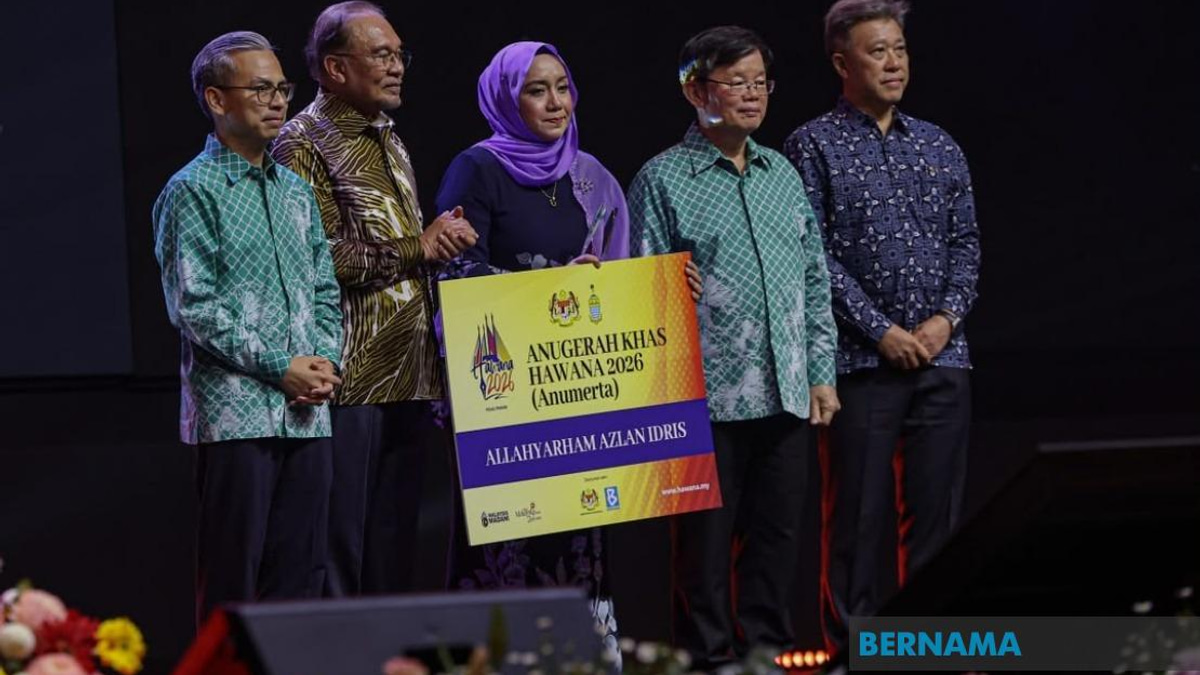
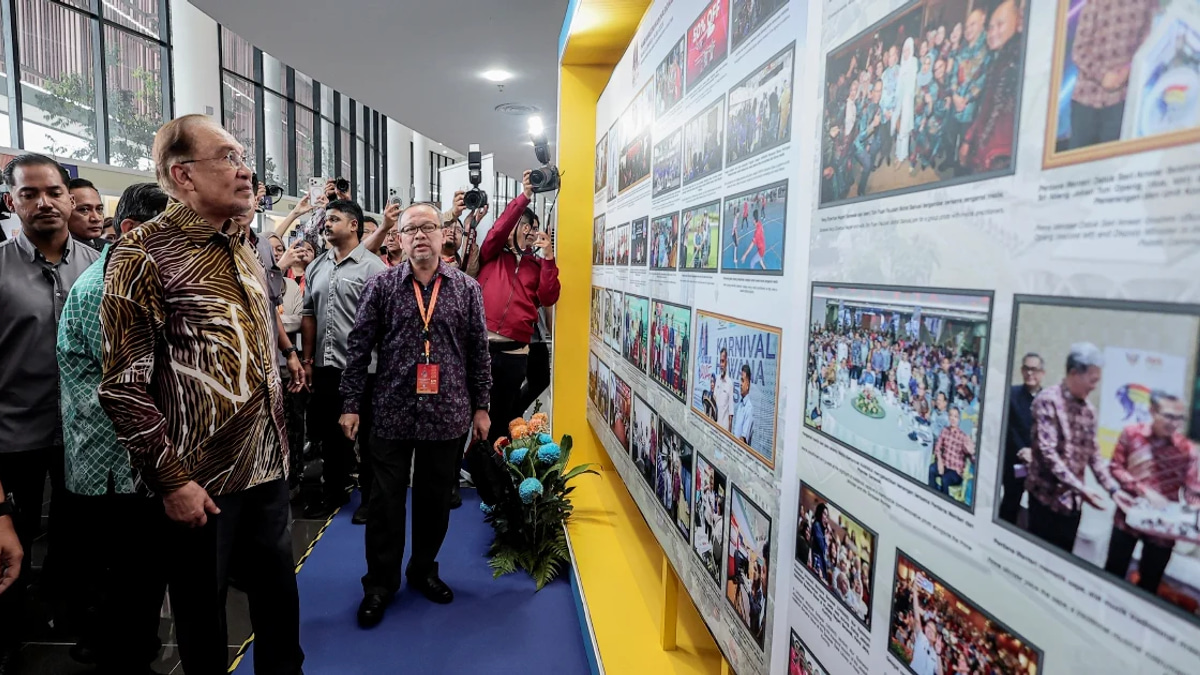
The HAWANA 2026 grand finale, where the MoU was formally presented, drew approximately 1,000 local and foreign media practitioners under the theme "Media Integrity Strengthens Credibility." Prime Minister Datuk Seri Anwar Ibrahim was scheduled to officiate the event, alongside Penang Chief Minister Chow Kon Yeow and senior representatives from Malaysia's Communications Ministry and national news agency Bernama. This high-level attendance underscores the Malaysian government's investment in strengthening the institutional frameworks supporting quality journalism and credible information dissemination.
The signing carries particular significance given contemporary challenges to media independence and information integrity across the region. Both Malaysia and Cambodia have experienced intense scrutiny regarding press freedom and journalistic autonomy. By formalising cooperation on information policy and regulatory practices, the two nations signal their commitment to establishing standards that protect editorial independence while maintaining responsible journalism. The emphasis on integrity suggests both governments recognise that media credibility ultimately serves national interests better than state control.
For Malaysian media organisations, the agreement opens opportunities to expand their operational footprint in Cambodia while potentially establishing themselves as regional content providers and training partners. Cambodian media entities gain access to Malaysian expertise in managing competitive media markets and maintaining professional standards under democratic governance. This asymmetry of experience creates beneficial dynamics where knowledge flows in multiple directions, with Cambodia's developing infrastructure representing opportunities for Malaysian companies and professional services.
The MoU's establishment of a sustained cooperation framework distinguishes it from one-off bilateral visits or informal partnerships. By creating institutional structures for regular collaboration, both nations commit to transforming media cooperation from episodic engagement into permanent operational reality. Regular meetings, joint working groups, and formal consultation mechanisms will likely follow, creating momentum that extends beyond the political cycles that typically affect bilateral relations.
Looking forward, this agreement positions Malaysia and Cambodia as potential anchors for Southeast Asian media integration. As other ASEAN members pursue similar bilateral or multilateral media partnerships, the Malaysia-Cambodia framework may serve as a prototype for regional-level cooperation. The emphasis on digital security, innovation, and professional development reflects concerns shared across Southeast Asia, suggesting that successful implementation could inspire broader regional initiatives addressing media challenges collectively.